South African Liquidation Explained
Introduction to Liquidation
When a Business Ends
When a company is no longer able to pay its debts, it enters a state of financial distress. If the situation can't be turned around, the company may need to be formally closed down. This process is called liquidation. It involves selling all the company's assets—like property, equipment, and inventory—to generate cash. This cash is then used to pay off its creditors, such as banks, suppliers, and employees, in a specific, legally defined order.
Think of liquidation as the final chapter for a company, where its financial affairs are formally and legally concluded.
It's important to distinguish this process from what happens when an individual cannot pay their debts. While a company is liquidated, an individual's estate is sequestrated. Though the goals are similar—paying off creditors by selling assets—the legal terms and procedures are different.
| Entity | Legal Process | Governing Law |
|---|---|---|
| Company | Liquidation | Companies Act |
| Individual | Sequestration | Insolvency Act |
The Legal Framework
In South Africa, liquidation and sequestration are not handled informally. Two key pieces of legislation govern these processes, ensuring they are fair and orderly.
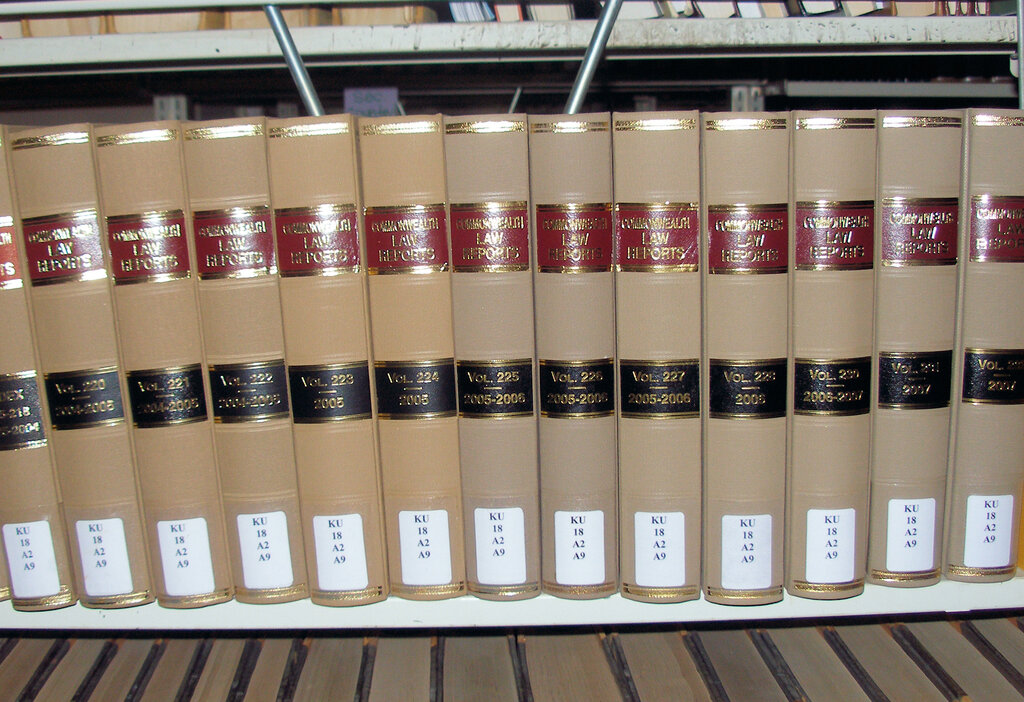
The first is the Companies Act 71 of 2008. This is the primary law that outlines how companies are run, managed, and, when necessary, closed down. It provides the rules for both solvent and insolvent liquidations. Previously, we discussed business rescue, which is also governed by this Act as a way to avoid liquidation. When rescue isn't possible, this Act lays out the path for winding up.
The second is the Insolvency Act 24 of 1936. This older but still crucial law primarily deals with the sequestration of individuals. However, it also fills in the gaps for corporate liquidations. When the Companies Act is silent on a specific procedural matter related to an insolvent company, the rules of the Insolvency Act apply.
The People in Charge
Two key roles are central to overseeing the liquidation process: the Master of the High Court and the insolvency practitioner.
The Master of the High Court is a public official appointed by the Minister of Justice. The Master's office plays a supervisory role in all liquidations and sequestrations. Its job is to ensure the process is followed correctly and to protect the interests of creditors. Key responsibilities include appointing the liquidator, examining claims from creditors, and reviewing the liquidator's accounts.
An insolvency practitioner, often called a liquidator or trustee, is a specialist appointed to manage the practical side of the winding-up process. Once appointed by the Master, this person or firm takes control of the company's assets and bank accounts. Their main duty is to locate all assets, sell them for the best possible price, and distribute the money to creditors according to the legal order of preference. They must act impartially and report regularly to the Master and the creditors.
Understanding these basic concepts, laws, and roles is the first step in grasping how financial distress is formally resolved in South Africa. It's a structured process designed to bring a company's story to a fair conclusion for everyone involved.