South African Film Production Company Management
Understanding the South African Film Industry
From Propaganda to Global Stage
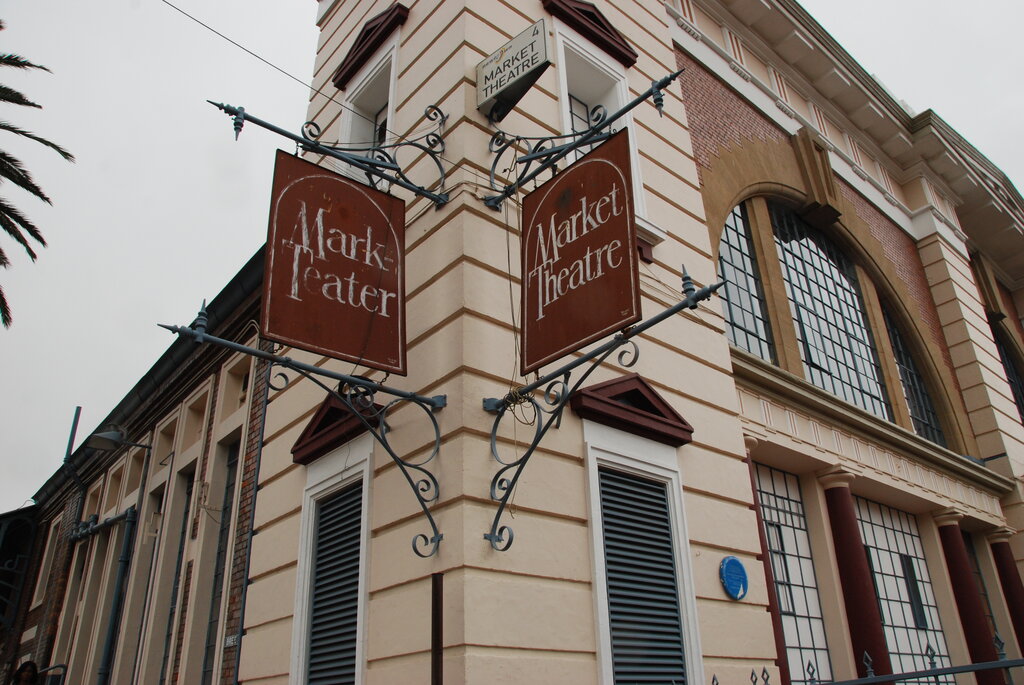
The story of South African cinema is one of dramatic transformation. During the apartheid era, the industry was largely a tool for state propaganda. Films often promoted segregationist ideologies and presented a skewed, government-sanctioned view of the country. Independent and protest theatre, however, kept different stories alive, often at great risk to the artists involved.
With the dawn of democracy in 1994, the floodgates opened. A new generation of filmmakers emerged, eager to tell authentic South African stories that had been silenced for decades. These new films explored the complexities of the nation's past, celebrated its diverse cultures, and grappled with the challenges of building a new society. The focus shifted from propaganda to personal, powerful narratives that could finally represent the true 'Rainbow Nation'.
The Modern Scene
Today, South Africa's film industry is vibrant and growing. It's a dynamic mix of local productions and international projects drawn to the country's stunning landscapes and skilled crews. One of the biggest trends is the rise of streaming services. Platforms like Netflix, Amazon Prime, and the local powerhouse Showmax have invested heavily in South African content, creating a huge demand for original series and films. This has led to an explosion of content in various genres, from gritty crime dramas to romantic comedies, often blending several of the country's 12 official languages.
South Africa has earned its place on the global production map with a winning combination of diverse locations, skilled crew, modern infrastructure, and one of the most competitive film rebate systems in the world.
Another key characteristic is the concept of 'hyperlocal' storytelling. Instead of trying to mimic Hollywood, South African creators are finding global success by telling stories that are deeply rooted in their own communities and cultures. The unique sounds of local music genres like Amapiano, the specific slang of a Johannesburg township, or the traditions of a rural village in the Eastern Cape are all finding their way onto screens around the world.
Key Players and Productions
Several major players shape the industry. In the broadcast and streaming world, MultiChoice (owner of DStv and Showmax) is a dominant force, commissioning a vast amount of local content. Production houses like Quizzical Pictures, known for acclaimed dramas, and Gambit Films, the team behind the Netflix hit Blood & Water, are consistently producing high-quality work. Triggerfish Animation Studios in Cape Town has become a global leader in animation, collaborating with giants like Disney and Netflix.
| Production Company | Notable For | Key Production(s) |
|---|---|---|
| Quizzical Pictures | Hard-hitting social dramas | Reyka, The Herd |
| Gambit Films | High-production-value youth-oriented series | Blood & Water, Unseen |
| Triggerfish Animation | World-class animation | Khumba, Seal Team |
Beyond companies, influential individuals have driven the industry's creative direction. Gavin Hood, who directed the Oscar-winning film Tsotsi, showed the world that South African stories could have universal appeal. Kagiso Lediga is a key figure in the comedy scene, creating films like Catching Feelings and the series Queen Sono, Netflix's first African original. On the producing side, Anant Singh has been a powerhouse for decades, producing seminal films like Sarafina! and Mandela: Long Walk to Freedom.
What was the primary role of the mainstream film industry in South Africa during the apartheid era?
What major shift occurred in South African cinema following the end of apartheid in 1994?
The South African film market is defined by this blend of local flavor and global ambition, creating a unique and exciting space for filmmakers.