South African Film Business Venture
South African Film Industry Overview
From Local Stories to Global Screens
The South African film industry didn't just appear overnight. Its roots trace back to the early 20th century, but for many decades, its output was heavily influenced by the politics of apartheid. Films were often used as propaganda, ignoring the stories of the majority of its population. The end of apartheid in 1994 was a turning point. It unlocked a wave of new, diverse voices and authentic stories that began to reshape the nation's cinematic identity.
Filmmakers started exploring themes of reconciliation, identity, and social justice. Movies like Tsotsi, which won the Academy Award for Best Foreign Language Film in 2006, showed the world that South Africa had powerful, universally resonant stories to tell. This shift marked the beginning of the industry's journey from a state-controlled mouthpiece to a dynamic and globally recognized creative force.
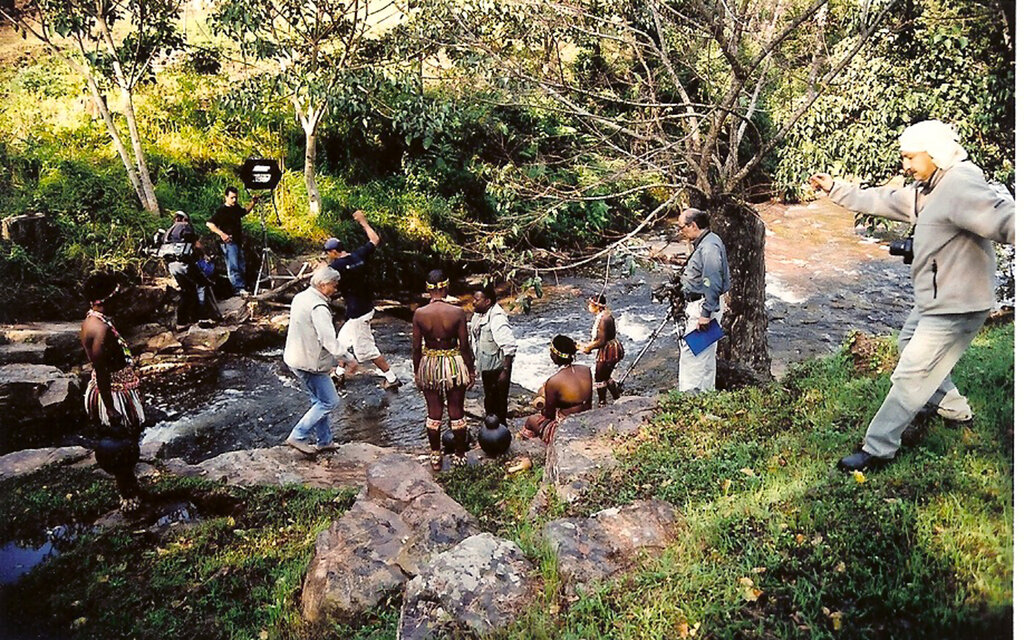
A Growing Economic Powerhouse
Today, South Africa's film industry is a significant contributor to the economy. The market is projected to see substantial growth, with total film and TV revenue expected to reach well over $1 billion annually in the coming years. This isn't just about ticket sales; it includes everything from production services for international blockbusters to the booming local television and streaming content scene.
This growth has a ripple effect. The industry's direct contribution to the country's Gross Domestic Product (GDP) is measured in the hundreds of millions of dollars each year. But its indirect impact is even larger. For every rand spent on a film production, several more are generated in other sectors like hospitality, construction, and transportation.
The government has identified the film industry as a sector with excellent potential for growth, and is regarded as a catalyst for both direct and indirect employment of people from different sectors of the economy.
This economic activity creates thousands of jobs. It’s not just actors and directors who benefit, but also a huge network of skilled technicians, caterers, drivers, and artists. These are stable, well-paying jobs that support families and communities across the country. Major production hubs have emerged in Cape Town, Johannesburg, and Durban, creating concentrated areas of economic opportunity.
Hollywood's Southern Home
Why do so many international productions flock to South Africa? A combination of stunningly diverse landscapes, favorable exchange rates, and a highly skilled local workforce makes it an attractive destination. You can find sprawling deserts, lush forests, dramatic coastlines, and modern cityscapes all within a few hours of each other.
This has turned the country into a popular backdrop for major films and TV series, from Mad Max: Fury Road to Black Sails. This phenomenon is often called "film tourism." When a location is featured in a popular movie, it can experience a surge in visitors who want to see the real-life setting for themselves. This provides a significant boost to the local tourism industry, filling hotels and restaurants long after the film crews have packed up and left.
Foreign investment is a key driver of the industry. International productions bring in large budgets, transfer valuable skills to local crews, and enhance South Africa's reputation as a world-class filming destination.
The government actively encourages this through attractive tax incentives and rebates. These financial benefits make it more cost-effective for foreign studios to shoot in South Africa, ensuring a steady stream of projects. International co-productions, where South African companies partner with foreign ones, are also crucial. These collaborations provide access to global distribution networks and funding, allowing local stories to reach a worldwide audience.
Ready to review the key aspects of South Africa's film industry?
What major event was a significant turning point for the South African film industry, allowing for more diverse and authentic storytelling?
Which of the following best describes the concept of "film tourism" as it relates to South Africa?