South Africa BEE Policy Explained
Historical Background
The Roots of Economic Exclusion
To understand why South Africa needed a policy like Broad-Based Black Economic Empowerment (B-BBEE), we have to look back at its history. The economic inequalities of today weren't accidental. They were designed, built, and enforced over centuries of colonial rule and apartheid.
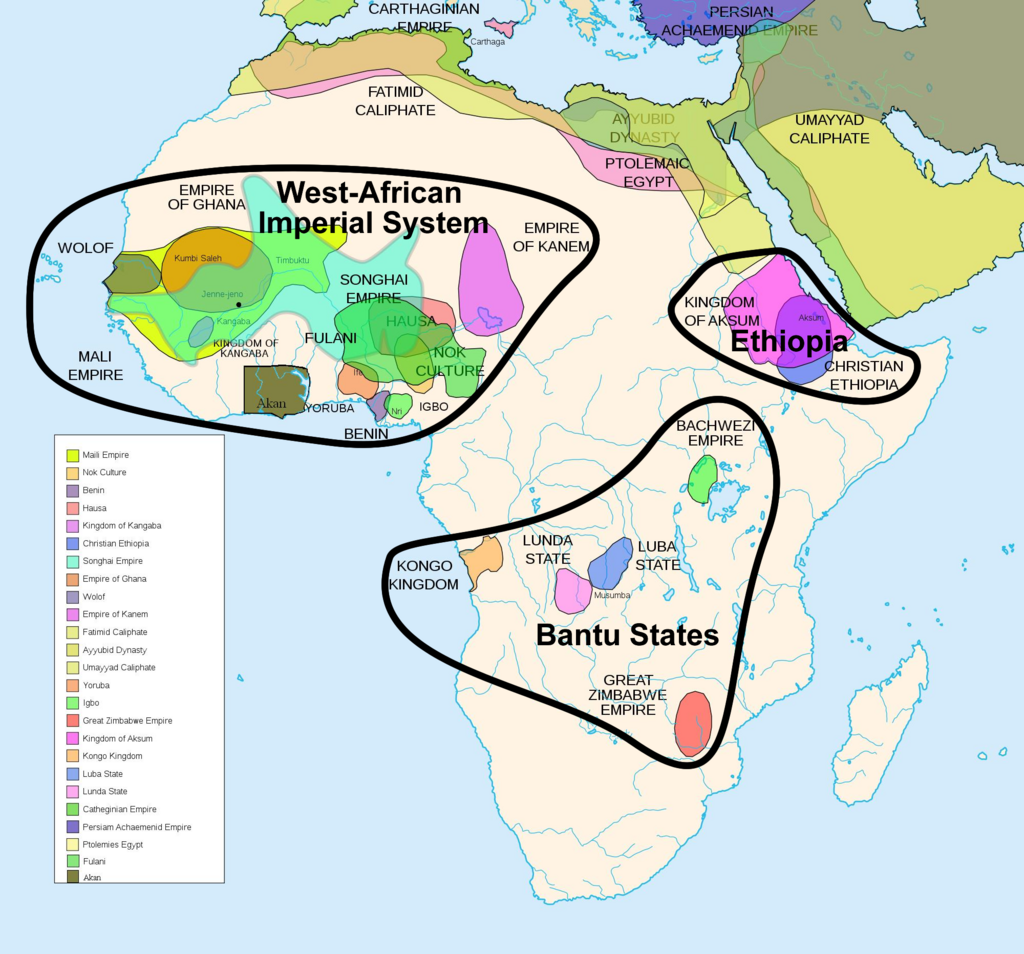
The story begins with the arrival of European settlers in the 17th century. From the outset, economic control was linked to land ownership and political power. Indigenous populations were gradually pushed off their ancestral lands, disrupting traditional economies and ways of life. This process accelerated dramatically with the discovery of diamonds and gold in the late 19th century, which fueled industrialization and created a massive demand for cheap labor.
Laws were created not just to govern, but to systematically exclude the Black majority from sharing in this newfound wealth. The foundation was being laid for a society where race would determine economic destiny.
Losing the Land
A major turning point came in 1913, just three years after the Union of South Africa was formed. The government passed the Natives Land Act, a landmark piece of legislation that had devastating and long-lasting consequences.
The Natives Land Act of 1913 legally restricted land ownership for Black people to just 7% of the country's territory. This was later expanded to about 13%, even though they made up over 80% of the population.
This act didn't just take away land; it destroyed the potential for generational wealth and economic independence. It forced millions of Black South Africans off their farms and into cities or designated reserves. Unable to own land or farm for profit, most had little choice but to become low-wage laborers in mines, farms, and factories owned by whites. This created a dependent workforce and entrenched poverty.
Apartheid's Economic Architecture
In 1948, the National Party came to power and implemented the formal policy of apartheid, or "apartness." This system intensified and legalized the segregation that already existed. Apartheid was a totalizing system, shaping every aspect of life, but its economic agenda was particularly brutal. The goal was to ensure the white minority retained complete control over the economy.
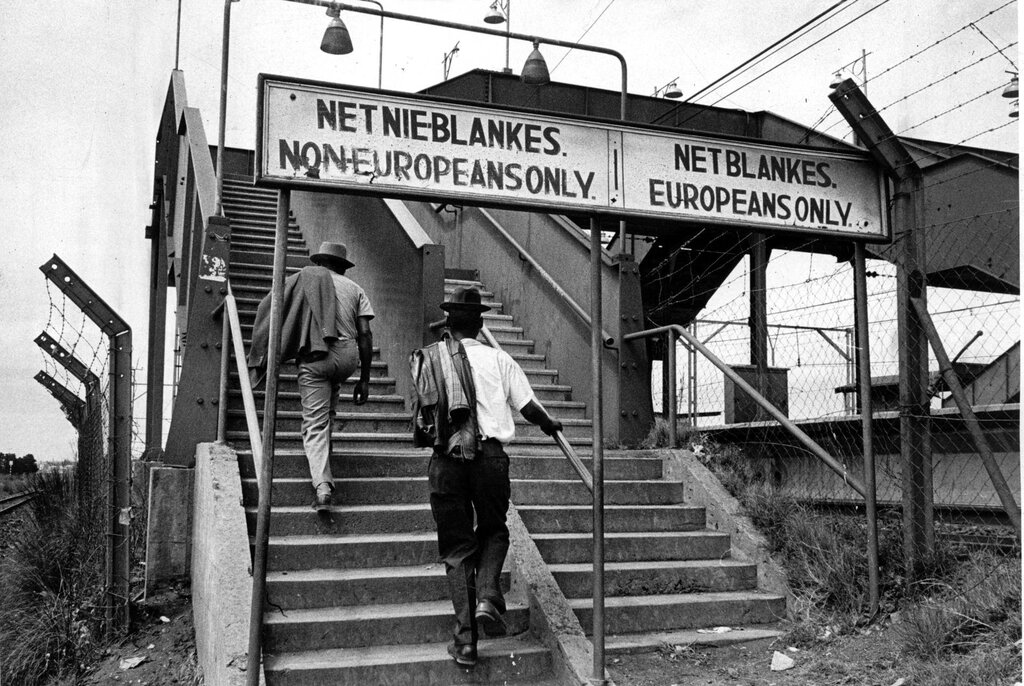
A web of laws was spun to deliberately block Black South Africans from participating meaningfully in the economy. Education was a key part of this strategy. The Bantu Education Act of 1953 created a separate and vastly inferior education system for Black students, designed to prepare them for a life of manual labor, not for skilled professions or management roles.
Job reservation laws explicitly kept the best-paying jobs for whites. Black entrepreneurs faced severe restrictions, making it nearly impossible for them to start or grow businesses in urban areas. Here are a few examples of the laws that built this unequal system:
| Act | Year | Economic Impact |
|---|---|---|
| Group Areas Act | 1950 | Segregated residential and business areas, forcing non-white people out of developed city centers. |
| Bantu Education Act | 1953 | Provided inferior education to Black students, limiting their career opportunities. |
| Job Reservation Laws | 1956 | Reserved certain skilled jobs exclusively for white workers. |
| Promotion of Bantu Self-Government Act | 1959 | Created separate "homelands" (Bantustans), stripping Black South Africans of their citizenship and confining them to underdeveloped regions. |
The Dawn of Democracy
When apartheid officially ended and South Africa held its first democratic elections in 1994, the new government inherited a country with one of the highest inequality rates in the world. The economic landscape was starkly divided along racial lines. White South Africans, making up less than 10% of the population, controlled the vast majority of the nation's wealth, land, and businesses.
The challenge was immense: how to dismantle this deeply embedded economic structure without destabilizing the country. The new constitution guaranteed equality for all, but legal equality couldn't erase a century of deliberate economic exclusion overnight.
Initial efforts focused on broad societal needs. The Reconstruction and Development Programme (RDP) was launched to address urgent issues like housing, water, and electricity for millions who had been denied basic services. While crucial, these programs were about poverty alleviation, not fundamental economic transformation. It soon became clear that more targeted policies were needed to change the actual ownership and control of the economy. This realization set the stage for the economic empowerment policies that would follow.