Sourdough Bread Mastery
Understanding Sourdough
A Taste of History
Long before neatly packaged yeast existed, there was sourdough. The practice of using a fermented flour-and-water culture to leaven bread is ancient, dating back thousands of years to ancient Egypt. For most of human history, all leavened bread was sourdough. It was a practical, natural way to capture the wild yeast present in the air and on the grains themselves.
This method traveled the world, becoming a staple for pioneers and prospectors. During the California Gold Rush, miners treasured their sourdough starters, often keeping them close to their bodies to protect them from the cold. The starter was a reliable source of leavening and a link to home, earning these prospectors the nickname "sourdoughs."
The Living Culture
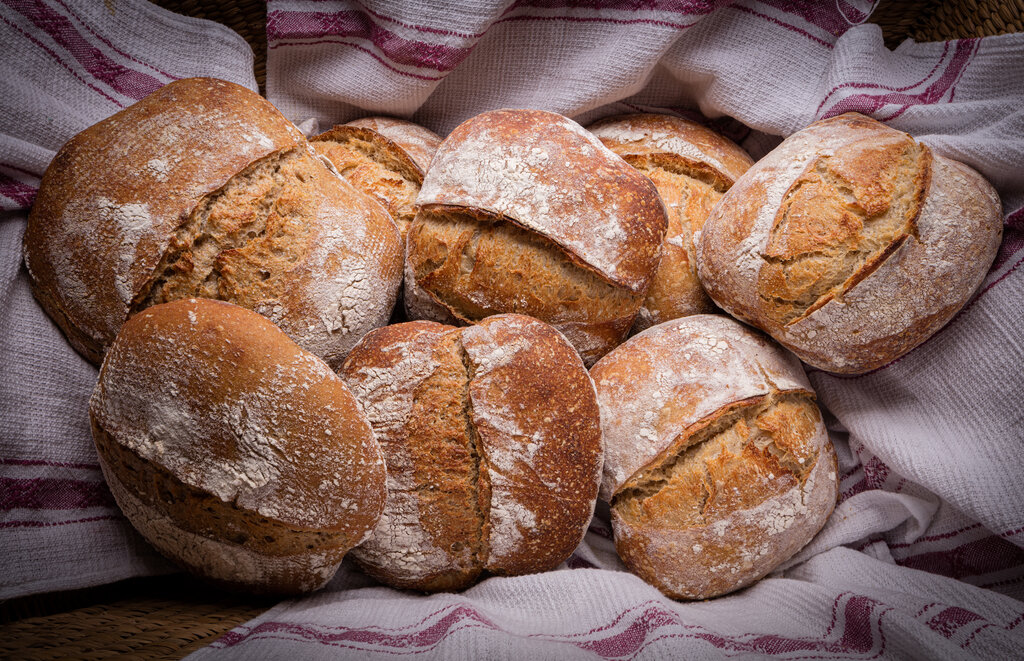
What makes sourdough different from other breads isn't an ingredient you add, but a process you cultivate. At its heart is fermentation, driven by a symbiotic culture of wild yeast and bacteria. This living mixture, called a starter or levain, is what gives the bread its lift, its complex flavor, and its signature tang.
Think of it as a tiny, bustling ecosystem. Two main groups of microorganisms are at work.
The natural wild yeasts and bacteria present in the flour and in our environment are what turn this flour and water into a living culture made up of yeasts, lactic acid, acetic acid and alcohol.
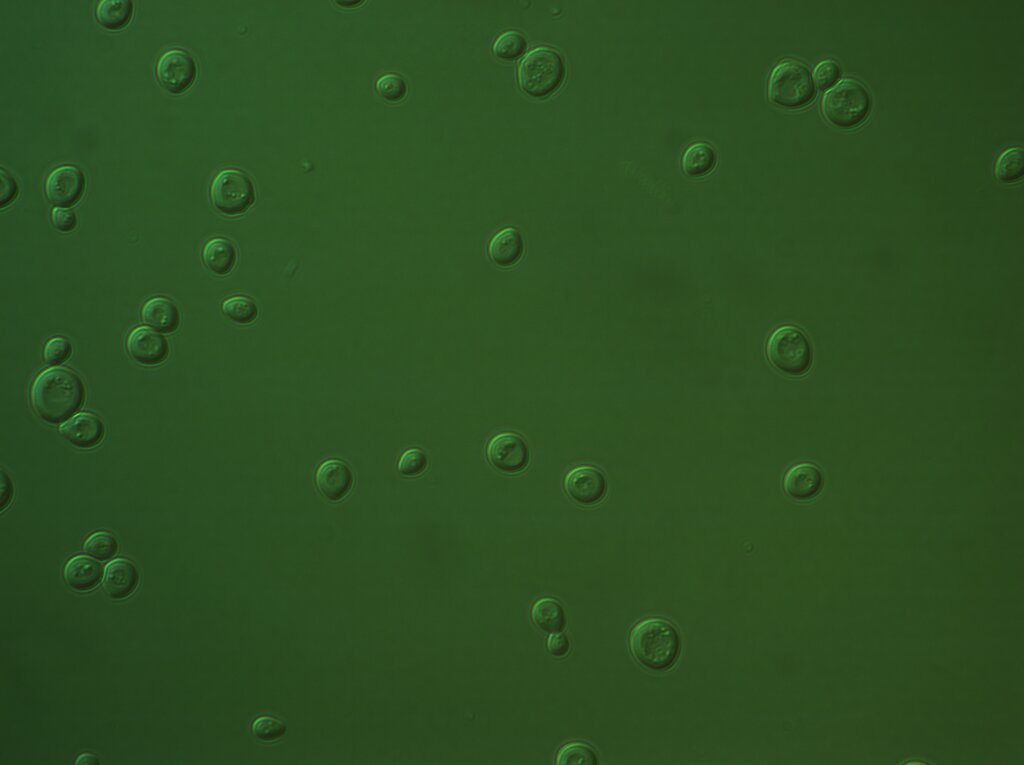
First, there are the wild yeasts, most commonly a species called Saccharomyces cerevisiae. These single-celled fungi consume the simple sugars in the flour. As they feast, they release carbon dioxide gas and ethanol. The gas gets trapped in the dough's gluten network, creating the bubbles that make the bread rise and give it an airy texture. The ethanol contributes to the bread's aroma and flavor.
Working alongside the yeast are various Lactic Acid Bacteria (LAB), primarily from the Lactobacillus family. These bacteria break down sugars that the yeast can't, and in return, they produce acids. Lactic acid provides a mild, yogurt-like tang, while acetic acid gives a sharper, more vinegary sourness. This acidic environment also acts as a natural preservative, helping sourdough bread stay fresh longer than commercially yeasted loaves.
What Makes It Unique
The primary difference between sourdough and most modern breads comes down to this collaboration between yeast and bacteria. Breads made with commercial yeast use a single, highly active strain of yeast designed for a fast, predictable rise. It's efficient, but it lacks the microbial diversity of a sourdough starter.
This diversity is what creates sourdough's hallmark characteristics.
The slow fermentation process doesn't just create gas—it unlocks complex flavors from the grain itself, resulting in a deeper, more aromatic loaf.
Here's a quick comparison:
| Feature | Sourdough Bread | Commercial Yeast Bread |
|---|---|---|
| Leavening Agent | Wild yeast & bacteria | A single strain of yeast |
| Fermentation Time | Long (hours to days) | Short (1-3 hours) |
| Flavor Profile | Complex, tangy, deep | Simple, yeasty, mild |
| Texture | Chewy, open crumb, crisp crust | Soft, uniform crumb, soft crust |
| Shelf Life | Longer (natural acids act as preservatives) | Shorter |
Because every starter’s microbial culture is unique to its environment—the flour, the water, the air, even the baker’s hands—no two sourdough loaves are exactly alike. This natural variation is part of the magic. It's bread with a story, shaped by time and place.
Ready to check your understanding of what makes sourdough special?
What are the two main groups of microorganisms that work together in a sourdough starter?
What is the primary role of wild yeast during sourdough fermentation?
This foundation in sourdough science and history is the first step. Understanding the 'why' behind the process makes every other step of the journey more intuitive and rewarding.