Sourdough Bread Mastery
Understanding Sourdough
What is Sourdough?
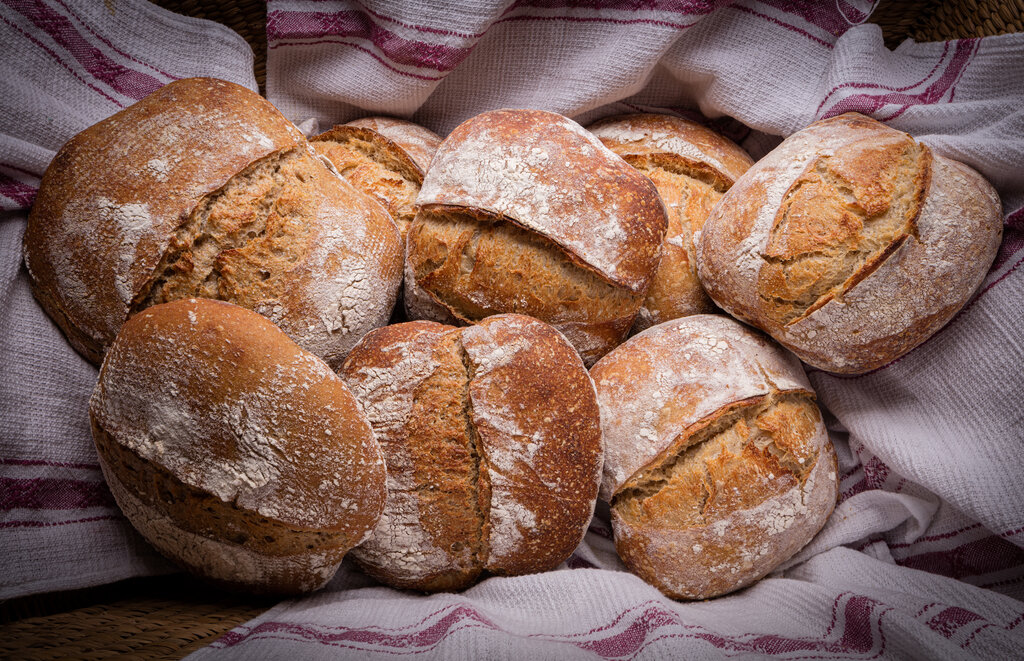
Sourdough isn't just a flavor, it's a method. It's the most ancient way of leavening bread, relying on a living culture of wild yeast and bacteria instead of commercial yeast from a packet. This culture, called a starter, is a simple mix of flour and water left to ferment.
Sourdough differs from most bread in that it contains no baker’s yeast, relying instead on a fermented “starter” of water and flour to provide lift.
This technique dates back thousands of years, likely to ancient Egypt. For centuries, it was the only way to make bread rise. Its legacy is baked into human history, from Roman bakers to pioneers on the Oregon Trail and prospectors in the San Francisco Gold Rush, who famously carried their precious starters with them.
The Magic of Fermentation
A sourdough starter is a living, breathing ecosystem. When you mix flour and water, you create a home for microscopic organisms that are naturally present on the grain and in the air. Two key players move in and set up shop: wild yeast and lactic acid bacteria.
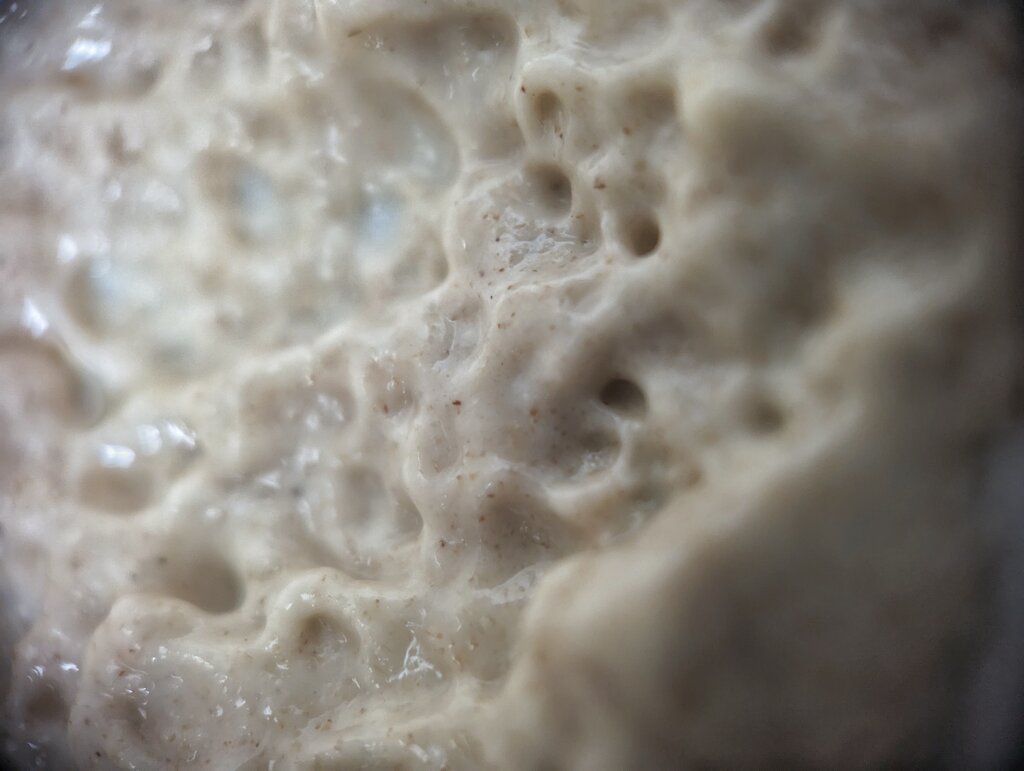
Think of them as roommates with different jobs. The wild yeast (Saccharomyces exiguus, among others) consumes the simple sugars in the flour and releases carbon dioxide gas. These gas bubbles get trapped in the dough's gluten network, causing the bread to rise. This is what gives sourdough its airy, open structure.
Meanwhile, the lactic acid bacteria (Lactobacillus) also feed on sugars. Instead of just producing gas, they create lactic and acetic acids. These acids are responsible for sourdough's signature tangy flavor and complex aroma. They also act as a natural preservative, helping sourdough bread stay fresh longer than commercially yeasted loaves.
This symbiotic relationship is the engine of sourdough. The yeast provides the lift, and the bacteria provide the flavor and health benefits.
More Than Just Great Taste
The long, slow fermentation process does more than just develop flavor; it also transforms the bread itself, making it more nutritious and easier to digest.
During fermentation, the bacteria begin to break down some of the complex carbohydrates and proteins (including gluten) in the flour. This pre-digestion makes the final bread easier on your system. The process also neutralizes phytic acid, a compound found in whole grains that can prevent your body from absorbing minerals like magnesium and zinc. By breaking it down, sourdough fermentation unlocks more of the grain's natural nutrients.
Because of its lower phytic acid levels, sourdough bread may be more nutritious and easier to digest.
Sourdough bread also tends to have a lower glycemic index compared to other breads. This means it causes a slower, more gradual rise in blood sugar levels, providing more sustained energy without the sharp spike and crash.
This unique process of natural leavening is what sets sourdough apart, creating a loaf that is as complex and beneficial as it is delicious.
What is the primary leavening agent used in the sourdough method?
What is the main contribution of lactic acid bacteria (Lactobacillus) in a sourdough starter?