Sourdough Bread Mastery
Sourdough Basics
The Magic of Sourdough
Sourdough isn't just a flavor, it's a method. Unlike most bread you find at the store, it doesn't use little packets of commercial yeast to rise. Instead, it relies on a natural process called fermentation, powered by a community of wild yeast and bacteria that live all around us.
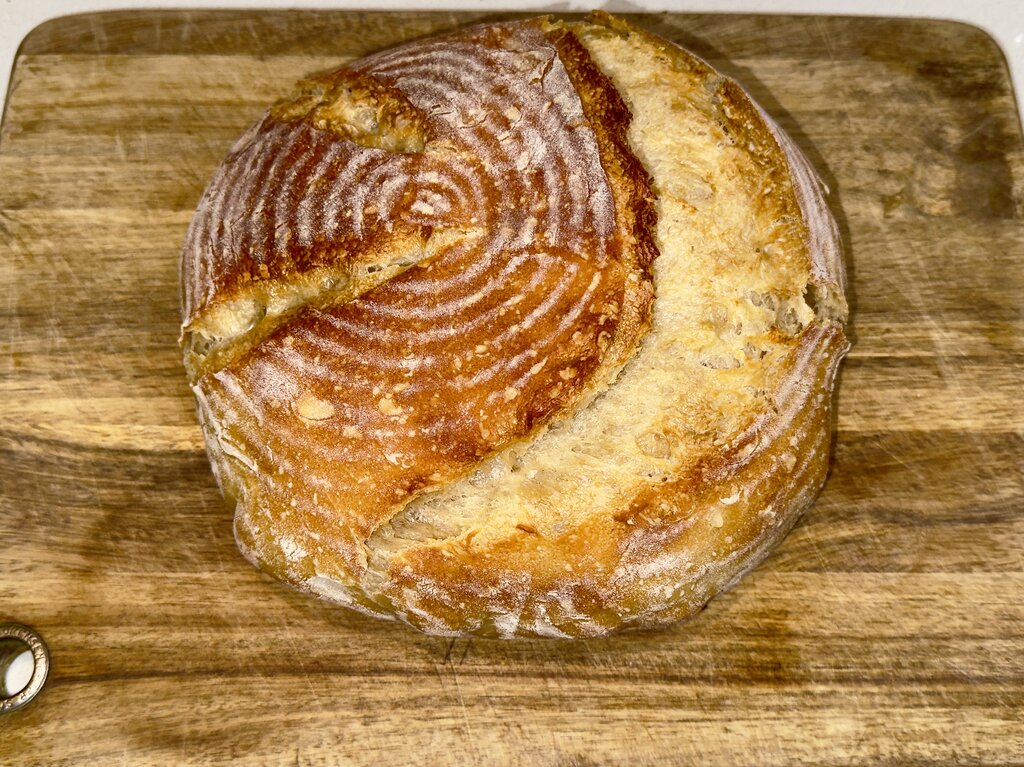
Think of it like making yogurt or kombucha. You start with simple ingredients, flour and water, and invite the local microscopic wildlife to a party. This mixture, called a starter, becomes a living ecosystem that you feed and care for. When you mix a portion of this active starter into your bread dough, the fermentation process begins on a larger scale, slowly transforming the flour, water, and salt into a flavorful, airy loaf.
A Tiny Ecosystem in Your Dough
The stars of the sourdough show are two types of microorganisms: wild yeast and lactic acid bacteria. These tiny living things are naturally present on the grains used to make flour and even in the air. When you mix flour and water to create a starter, you're building them a home.
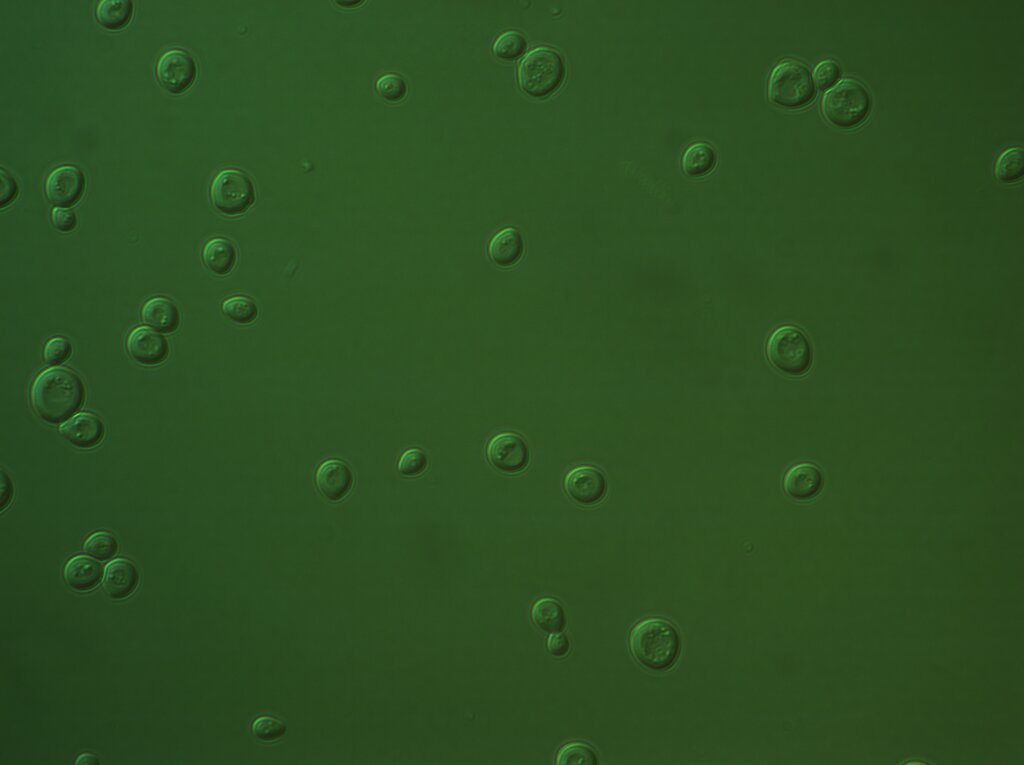
These two groups work together in a symbiotic relationship. The wild yeast consumes the simple sugars in the flour and releases carbon dioxide gas. These gas bubbles get trapped in the dough's gluten network, causing the bread to rise and creating its open, airy texture.
The lactic acid bacteria also feed on the sugars, but they produce different byproducts: lactic acid and acetic acid. These acids are responsible for sourdough's signature tangy flavor. They also act as natural preservatives, helping sourdough bread stay fresh longer than many other types of bread.
Yeast makes it rise. Bacteria makes it sour. Together, they make it sourdough.
The Benefits of Slow Fermentation
This slow, natural fermentation process does more than just create flavor and lift. It also changes the bread on a chemical level, offering a few distinct advantages over loaves made with commercial yeast.
First, sourdough is often easier to digest. The long fermentation period gives the yeast and bacteria time to start breaking down some of the complex carbohydrates and proteins (like gluten) in the flour. This pre-digestion can make the nutrients in the bread more available for our bodies to absorb.
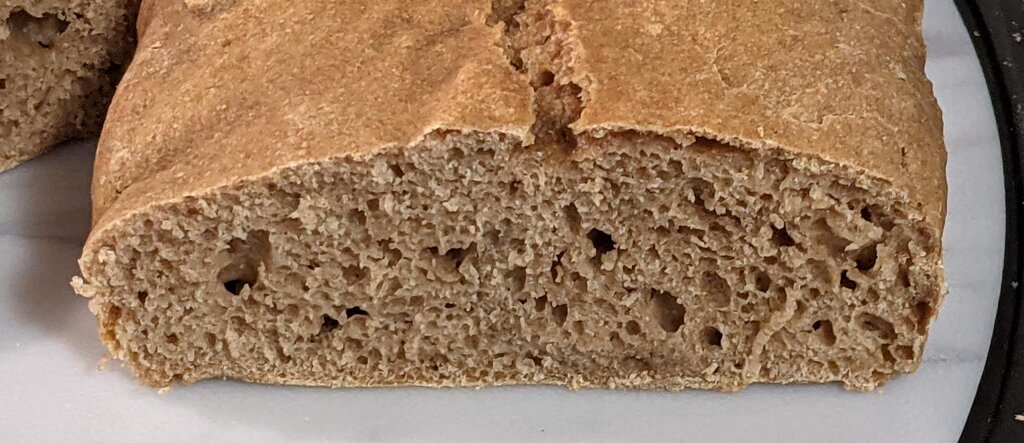
The acids produced by the bacteria also contribute to a lower glycemic index compared to standard white bread. This means it's less likely to cause a rapid spike in your blood sugar levels after you eat it.
Finally, the complexity of the flavor is unmatched. The slow work of the microbes develops deep, nuanced tastes that simply can't be replicated with a quick-rising commercial yeast. Each sourdough starter is unique to its environment, carrying a specific blend of local yeasts and bacteria, which means a loaf baked in San Francisco will taste different from one baked in Paris.
Ready to test your understanding of these foundational concepts?
What are the two primary types of microorganisms that work together in a sourdough starter?
What is the primary role of the lactic acid bacteria in the sourdough process?
Understanding this basic science is the first step toward baking incredible bread at home. It's a process that connects you to a tradition that's thousands of years old, using nothing more than flour, water, salt, and the invisible life all around us.