Sourdough Baking Mastery
Introduction to Sourdough
The Magic of Sourdough
Before commercial yeast was available in convenient little packets, bakers still made light, airy bread. How? They harnessed the power of microorganisms living all around them. This ancient method is the foundation of sourdough baking.
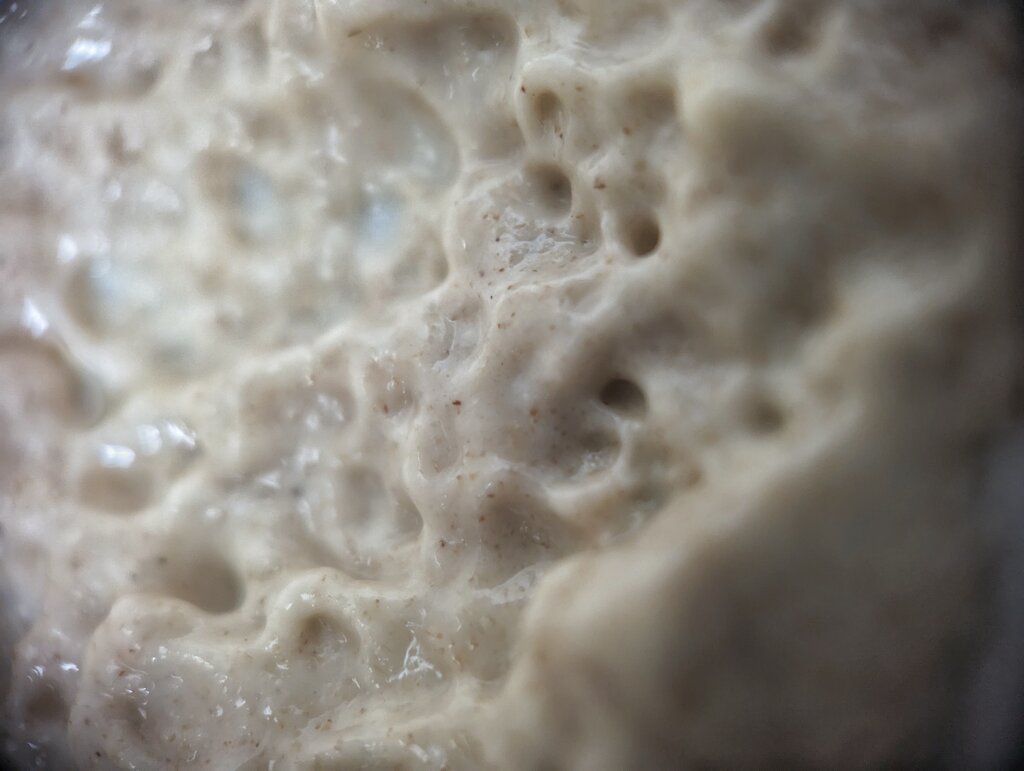
Unlike most modern breads, sourdough doesn't rely on baker's yeast. Instead, it uses a living culture of flour and water called a "starter" or "levain." This bubbly mixture captures wild yeast and beneficial bacteria from the environment, creating a natural leavening agent. This process of fermentation is what gives sourdough its unique tangy flavor, chewy texture, and beautiful, open crumb.
A Microscopic Team
A sourdough starter is a bustling community of two types of microbes working in harmony: wild yeast and lactic acid bacteria. They form a stable, symbiotic relationship that's the heart and soul of the bread.
Sourdough fermentation is driven by a stable, co-evolved microbial consortium of wild yeasts and lactic acid bacteria (LAB), which colonize the starter medium and establish a homeostatic balance through competitive and cooperative interactions.
Let's meet the team members.
Yeast
noun
A single-celled fungus that consumes sugars and produces carbon dioxide and alcohol as byproducts.
Wild yeasts are naturally present on the grains used to make flour and are even in the air. When you create a starter, you’re essentially creating a welcoming home for them. As the yeast feeds on the sugars in the flour, it releases carbon dioxide gas. These gas bubbles get trapped in the dough's gluten network, causing it to expand and rise. This is the leavening process.
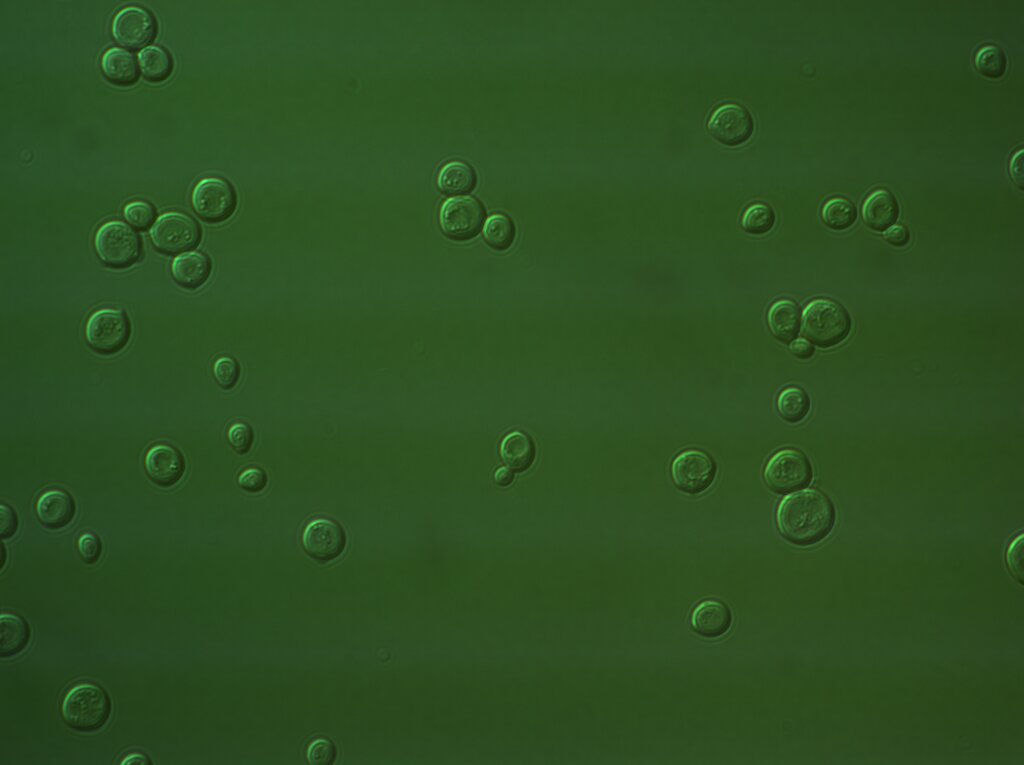
The other key players are Lactic Acid Bacteria (LAB). These are the same kind of bacteria found in yogurt and other fermented foods. Like yeast, they consume sugars from the flour, but instead of producing much gas, they produce acids: mainly lactic acid and acetic acid.
These acids are what give sourdough its signature tangy flavor. Lactic acid provides a mild, creamy sourness, while acetic acid (the same acid in vinegar) offers a sharper, more vinegary tang.
The acids produced by LAB do more than just add flavor. They lower the dough's pH, which creates an environment that wild yeast thrives in but many spoilage microbes can't tolerate. This is why sourdough bread has a longer shelf life than many other breads, as it naturally resists mold.
From Fermentation to Loaf
So, how does this microscopic activity translate into a delicious loaf of bread? It all comes down to the byproducts of fermentation.
| Microbe | Key Byproduct | Effect on Bread |
|---|---|---|
| Wild Yeast | Carbon Dioxide (CO₂) | Makes the dough rise, creates an open, airy crumb. |
| Lactic Acid Bacteria | Lactic & Acetic Acids | Adds the classic sour flavor, improves shelf life. |
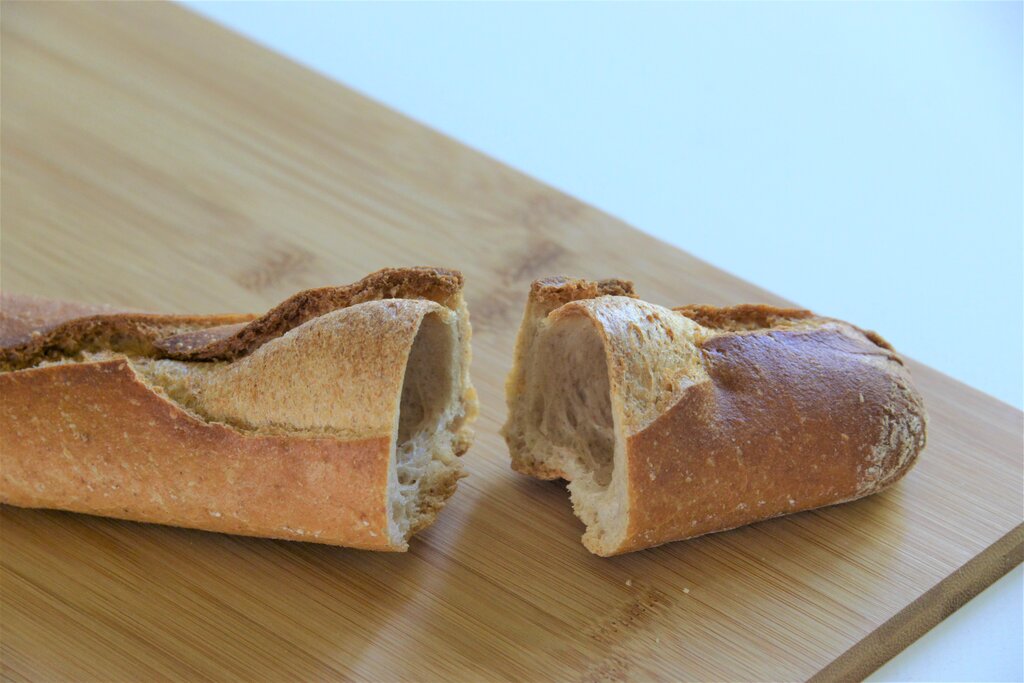
The bubbles of carbon dioxide created by the yeast push and stretch the dough, forming the beautiful network of holes known as the crumb. A vigorous starter with active yeast leads to a light, open texture.
Meanwhile, the acids from the bacteria infuse the dough with complex flavors. The long, slow fermentation process also helps to break down some of the proteins and carbohydrates in the flour. This not only adds to the flavor but can also make sourdough bread easier for some people to digest compared to breads made with commercial yeast.
Understanding this natural process is the first step in your baking journey. It’s not just mixing ingredients; it's cultivating a living ecosystem to create something wonderful.
Ready to check your understanding?
What is the primary leavening agent used to make sourdough bread rise?
What are the two main types of microorganisms that work together in a sourdough starter?
Now you know the science behind what makes sourdough unique. Next, you'll learn how to create and maintain your own starter.