Sourcing IrRu Coated Titanium Scrap
Understanding Titanium and Precious Metal Coatings
Titanium the Workhorse
Titanium is a standout metal. It’s as strong as some steels but about 45% lighter. It also has incredible resistance to corrosion, especially from salt water and chlorine. This unique combination makes it a go-to material in demanding environments.
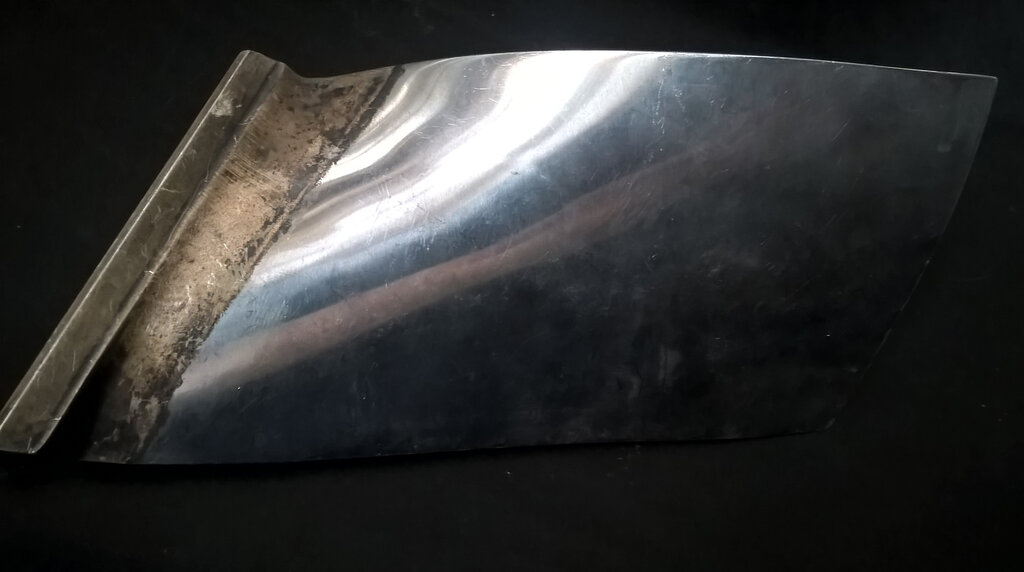
Think of aerospace, medical implants, and chemical processing plants. In these fields, you can’t afford for a component to fail due to rust or stress. Titanium delivers that reliability. It’s often used in the form of plates, sheets, and meshes for everything from structural components on airplanes to heat exchangers in factories.
The main takeaway is its dual advantage: high strength and low weight, plus superior corrosion resistance.
Precious Metal Coatings
As good as titanium is, sometimes it needs a boost. That's where precious metal coatings come in, particularly those using iridium and ruthenium. These aren't just for looks; they add critical new properties. They belong to the platinum group metals, known for being excellent catalysts and highly resistant to chemical attack.
Catalyst
noun
A substance that increases the rate of a chemical reaction without itself undergoing any permanent chemical change.
When applied in a thin layer to a titanium base, these coatings create something called a Mixed Metal Oxide (MMO) electrode, also known as a Dimensionally Stable Anode (DSA). The titanium provides the strong, stable structure, while the coating does the electrochemical heavy lifting.
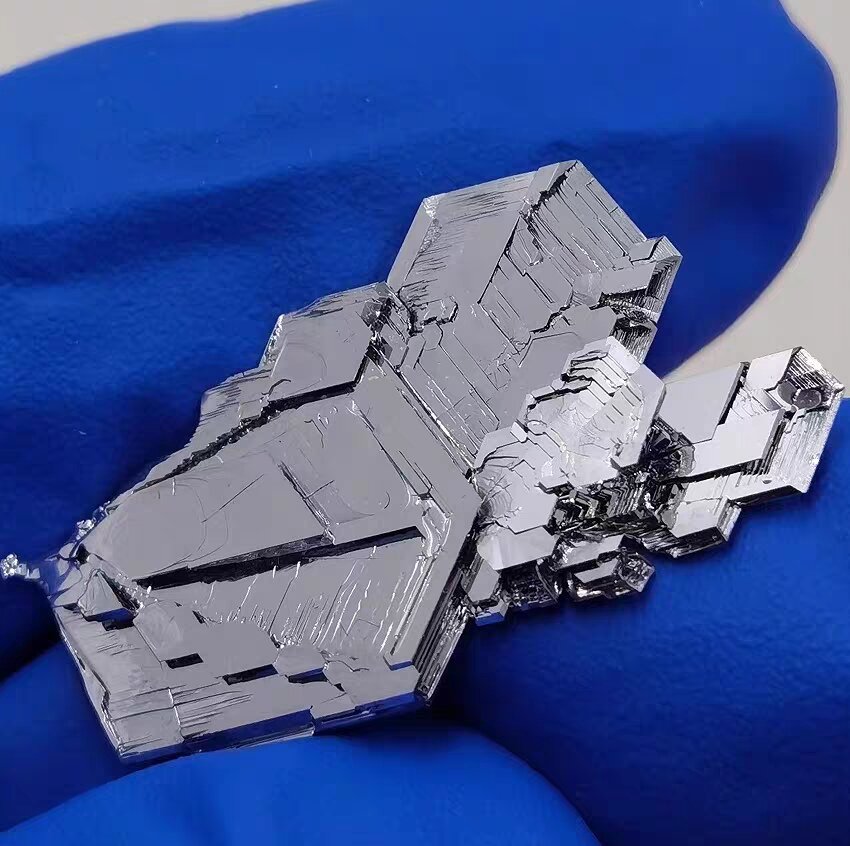
The primary roles of iridium and ruthenium coatings are to enhance electrical conductivity and provide extreme corrosion resistance in specific chemical processes. They act as a catalyst, speeding up reactions that would otherwise happen very slowly or require much more energy.
Plates and Meshes in Action
Coated titanium plates and meshes are essential in several large-scale industries. One of the biggest is the chlor-alkali industry, which produces chlorine and sodium hydroxide—two fundamental industrial chemicals. In this process, large vats of saltwater (brine) are subjected to an electric current. Coated titanium anodes are submerged in the brine to drive the reaction.
Without the coating, the titanium anode would quickly corrode and stop working. The iridium/ruthenium layer protects it and efficiently facilitates the chlorine production.
Other major uses include:
- Water Treatment: MMO anodes are used to generate chlorine on-site for disinfecting swimming pools, drinking water, and wastewater.
- Cathodic Protection: They protect large metal structures like pipelines, bridges, and offshore oil rigs from corrosion. An electric current is passed through the structure, making it the cathode in an electrochemical cell and preventing it from rusting. The MMO anode is the other half of that cell.
- Metal Plating (Electroplating): In this process, coated anodes are used to plate a thin layer of one metal (like gold or chromium) onto another object.
In these applications, the material is often a mesh rather than a solid plate. The mesh shape provides a large surface area for the reaction to occur while using less material, which is important when working with expensive precious metals.
Time to review what we've covered.
Let's check your understanding.
What is the primary purpose of coating titanium with precious metals like iridium and ruthenium?
In which major industry are iridium/ruthenium-coated titanium anodes essential for producing chlorine from saltwater brine?
Understanding these materials and their industrial roles is the first step in recognizing their value, whether they're brand new or at the end of their service life.