Sourcing Early Crypto Projects
Developer Activity Analysis
Beyond the Whitepaper
A compelling whitepaper and a slick website can paint a promising picture of a crypto project. But marketing materials are just that: marketing. To truly assess a project's viability, you need to look under the hood at its engine—the codebase. This is where promises are either being actively built into reality or left to stagnate. For nearly all Web3 projects, the workshop is public, and it's located on GitHub.
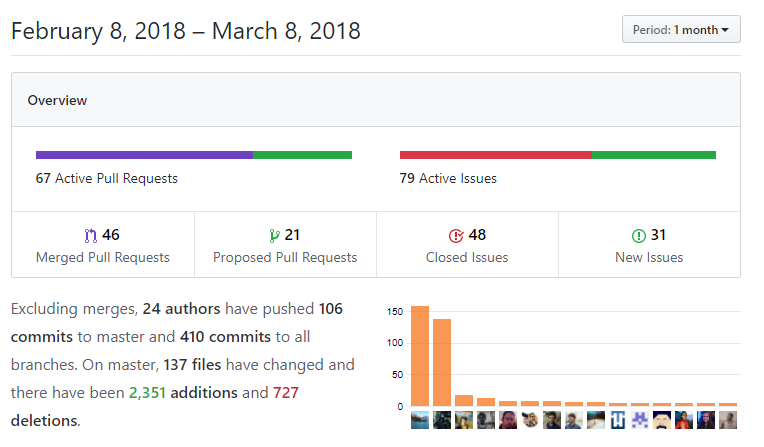
Analyzing a project's developer activity helps you separate the serious ventures from the potential exit scams. A project with a vibrant, active codebase is showing, not just telling, its progress. Stagnant code, on the other hand, is a major red flag, suggesting the team may have moved on or, worse, never truly started.
How active is the project's GitHub repository? Is code being committed regularly? This is the clearest proof that the project is alive and under continuous development.
Reading the Code's Pulse
When you open a project's GitHub repository, you're looking for signs of life. The most basic indicators are commits and events. A commit is a saved change to the code. An event is a broader category that includes commits, but also comments, new issues, and other interactions. It's crucial to distinguish between them. A flurry of events might look like progress, but if there are no meaningful code commits, it's just noise.
This leads to the problem of 'code-faking.' Some projects try to look busy by making frequent, trivial updates. They might repeatedly tweak a README file or add comments without changing any functional code. These actions generate GitHub events and can even appear as commits, but they contribute nothing to the project's development. A healthy project will have a history of substantive commits that add features, fix bugs, or improve performance.
Another powerful signal is the use of pull requests (PRs). A PR is a proposal to merge a new set of changes into the main codebase. It’s a formal request for review. Projects that use PRs are typically more disciplined, as it shows that code is being peer-reviewed before it's integrated. A steady stream of PRs from various developers, followed by discussion and eventual merging, indicates a healthy, collaborative workflow.
The Human Element
Code doesn't write itself. The strength of a project is often a reflection of its development team. When analyzing a repository, look at the number of contributors. Is it a lone developer, or is there a team? More importantly, what is their retention rate? A project that constantly loses developers is a significant risk. Conversely, one that attracts and retains talent is on a much stronger footing.
Documentation is another window into the team's professionalism. A well-written README is a great sign. It should clearly explain what the project does, how to install it, and how others can contribute. Poor or non-existent documentation suggests a disorganized team and creates a high barrier for new developers who might want to join the project. If the team can't be bothered to explain their own work, it's fair to question their commitment.
Tools of the Trade
Manually digging through GitHub repositories for every project is time-consuming. Fortunately, several analytics platforms aggregate this data for you. Tools like and Artemis specialize in crypto project analysis and provide dashboards dedicated to developer metrics.
These platforms allow you to quickly compare the developer activity of multiple projects. You can visualize trends in commit frequency, see the growth of the contributor base, and benchmark a project against its competitors. Using these tools can save you hours of research and help you spot promising (or failing) projects much more efficiently. They turn raw data into actionable insights, helping you verify that a project's development is as strong as its marketing.
When analyzing a crypto project's GitHub, what is the most critical reason to look at its codebase?
A project's GitHub page shows a high number of 'events' but very few meaningful 'commits'. What does this most likely indicate?
By combining on-chain data with this kind of off-chain developer analysis, you build a far more robust and nuanced view of any crypto project.