Sound Design for Motion Graphics
Introduction to Sound Design
What Is Sound Design?
Sound design is the art and practice of creating the entire auditory world for a piece of media. It’s everything you hear in a film, video game, or animation that isn't dialogue or music. From the gentle rustle of leaves to the deafening roar of a spaceship engine, sound design crafts an experience that feels real and immersive.
The term itself was first used in the 1970s, with Francis Ford Coppola granting Walter Murch the title of "Sound Designer" for his groundbreaking work on the film Apocalypse Now. Murch didn't just add sound effects; he layered and manipulated audio to build the film's tense, psychological atmosphere. He created a soundscape that told its own story.
The role of a sound designer is to evoke mood, create a sense of place, and guide the audience's emotions, often without them even noticing.
In visual media, sound does more than just match the action on screen. It gives weight and texture to the world. A heavy door sounds different from a flimsy one. A character's footsteps change when they move from a carpeted room to a gravel path. These details make the environment believable. Sound also directs our attention, telling us what's important. A sudden, sharp noise can make us jump, while a subtle, off-screen sound can build suspense about what’s to come.
The Building Blocks of Sound
Every sound you hear can be broken down into four fundamental properties. Understanding these elements is the first step in learning how to use sound effectively.
| Element | Description | Example |
|---|---|---|
| Pitch | The highness or lowness of a sound. | A bird's chirp (high) vs. a tuba's note (low). |
| Volume | The loudness or softness of a sound. | A whisper (soft) vs. a jet engine (loud). |
| Timbre | The unique quality or "color" of a sound. | A violin and a trumpet playing the same note sound different because of their timbre. |
| Duration | The length of time a sound lasts. | A quick camera shutter click (short) vs. a sustained organ note (long). |
These four elements work together to create every sound we experience. A sound designer manipulates them to craft specific effects. By adjusting the pitch of a roar, they can make a creature sound small and pathetic or massive and terrifying. By controlling volume, they can pull an audience closer for an intimate moment or push them back with an explosive shock.
Sound and the Mind
Sound has a direct line to our emotions. It can make us feel happy, sad, anxious, or relaxed, often on a subconscious level. Film composers have known this for decades, but it applies to all aspects of sound design.
Think of a horror movie. The long, drawn-out creak of a door is unsettling. The low, rumbling bass that you feel more than hear creates a sense of dread. These sounds are carefully chosen for their psychological impact. A high-pitched, dissonant screech is universally jarring because it triggers a primal alert system in our brains.
In user experience (UX) design for apps and websites, sound provides crucial feedback. A gentle swoosh when sending an email confirms the action was successful. A subtle click when tapping a button makes a digital interface feel tangible and responsive. These small sounds make interactions smoother and more satisfying, reducing uncertainty for the user. They build a sense of trust and polish, proving that good sound design isn't just for entertainment—it's for communication.
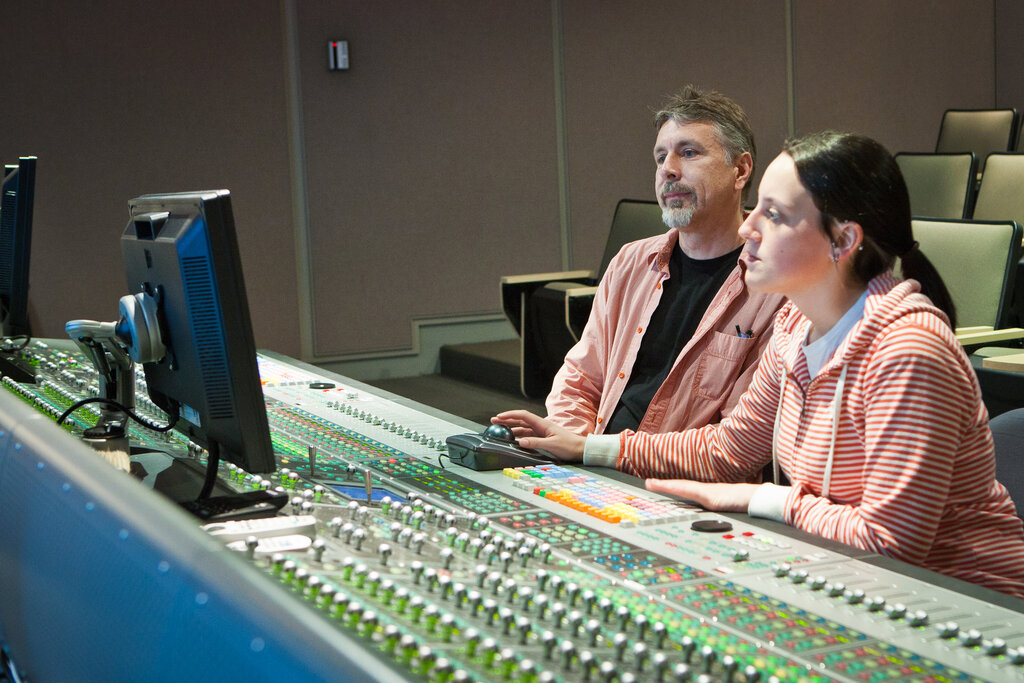
Sound designers must understand technical aspects like microphone selection and signal processing while also considering emotional impact and storytelling techniques to craft compelling audio experiences.
Now, let's test your understanding of these core concepts.
What is the primary role of sound design in a film?
The title of 'Sound Designer' was first granted to Walter Murch for his groundbreaking work on which film?
By mastering the basics of pitch, volume, timbre, and duration, you can begin to see—and hear—how sound shapes the world around us.