Sorting Materials into Groups
Visual and Tactile Properties
What You See
One of the first ways we sort objects is by how they look. Walk into a room and you can immediately tell the difference between a metal spoon and a wooden chair. A key part of this difference is their appearance. Some materials have a natural shine or glow. This property is called lustre.
Materials like gold, copper, silver, and iron are classic examples of objects with lustre. When freshly cut or polished, they reflect light, giving them a shiny surface. Think of a brand-new coin or a polished steel tap. This shininess is why we use metals for things like jewellery and decorative items.
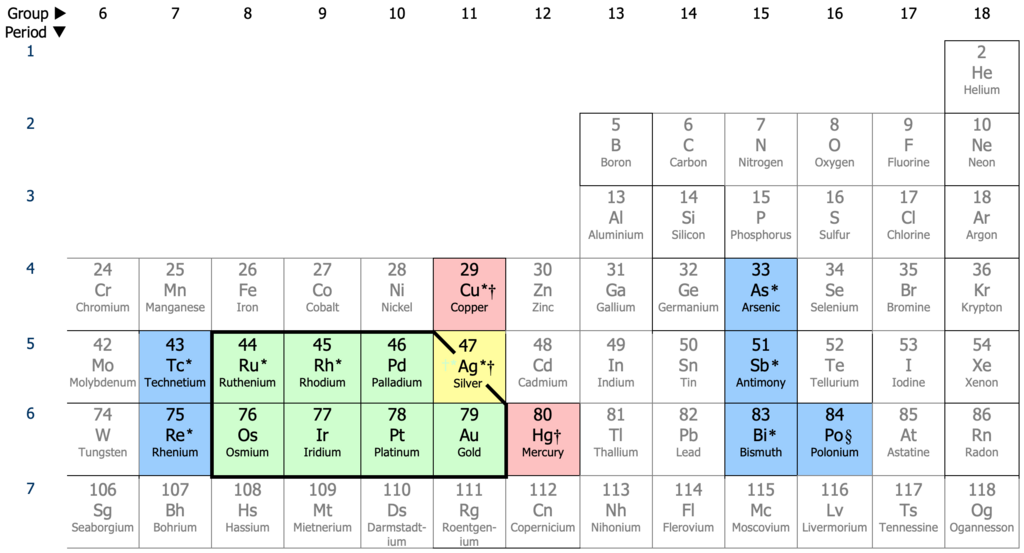
On the other hand, many materials are dull. Wood, chalk, plastic, and cotton don't have this natural shine. Their surfaces are not as reflective, giving them a flat appearance.
Have you ever noticed an old iron gate that looks brownish and dull? Or a silver spoon that has turned dark? This happens because some lustrous materials react with air and moisture over time. This reaction forms a dull layer on the surface, hiding their natural shine. This is why they often need to be cleaned or polished to restore their lustre. This process is a form of corrosion .
What You Feel
Beyond just looking at materials, we can learn a lot by touching them. Try pressing on a block of wood, and then press on a sponge. You'll notice a big difference. This introduces another important property for classifying materials: hardness.
Hard materials are difficult to compress or scratch. Soft materials can be compressed or scratched easily.
Iron, stone, and glass are examples of hard materials. They resist pressure and don't change shape easily. This makes them useful for building houses and making strong tools. In contrast, materials like cotton, wax, and rubber are soft. You can easily squeeze a cotton ball or scratch the surface of a candle.
You can test this yourself. Try scratching the surface of a wooden table, a plastic ruler, and a metal spoon with your fingernail. You will find that some materials get scratched while others do not. This simple test helps you compare their hardness .
Why These Properties Matter
Understanding properties like lustre and hardness isn't just for sorting things into groups. It helps us decide which material is right for a specific job. We choose materials based on what we need them to do.
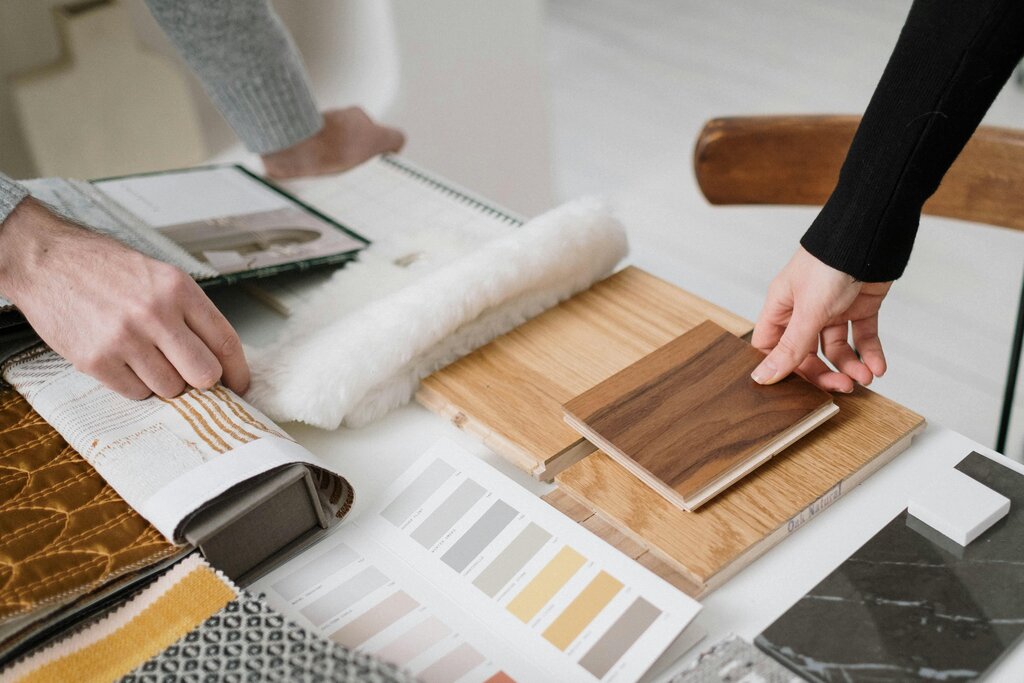
For example, why are cooking pots made of metal like steel or aluminium? Because they are hard and can withstand high heat without breaking. Their durability is more important than their lustre in the kitchen.
Why are pillows and blankets made from cotton or wool? Because they are soft and comfortable. You wouldn't want to rest your head on a hard block of wood!
And why is jewellery made from gold and silver? Their beautiful lustre makes them attractive, and they are hard enough to be worn every day without easily getting damaged. By observing these simple visual and tactile properties, we can understand the world of materials around us.
What is the property of a material that describes its natural shine or glow called?
Which of the following groups contains only materials that are typically non-lustrous (dull)?
By looking and touching, you can now classify many of the materials you see every day.