Sony Cyber-shot vs Canon PowerShot ELPH
Introduction to Digital Photography
Your First Camera
Getting into digital photography starts with a camera, but not all cameras are created equal. They generally fall into a few main categories, each with its own strengths.
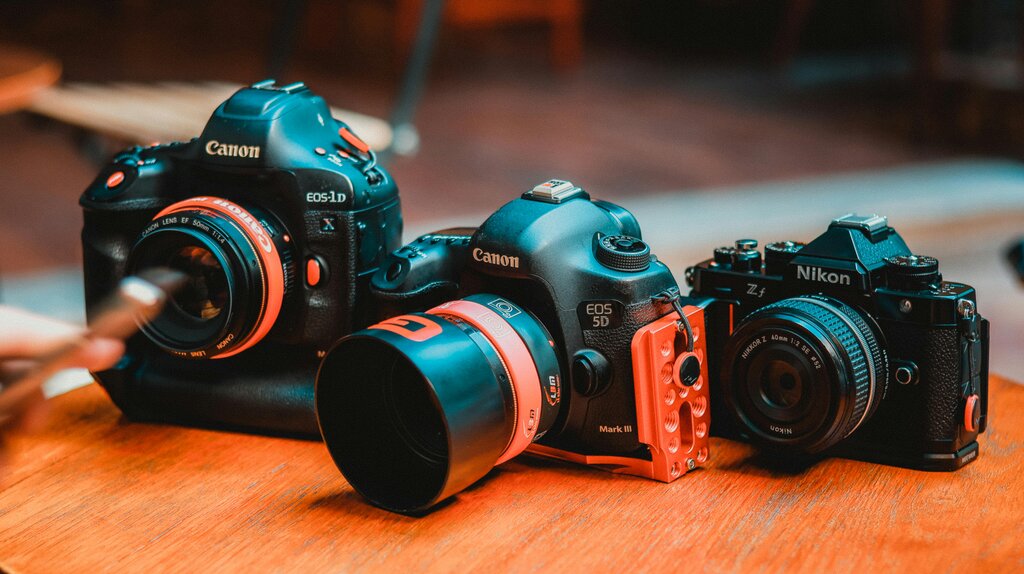
Point-and-Shoot: These are the simplest and most compact cameras. They have a fixed lens and are designed for ease of use. While less common now due to smartphones, they're great for casual snapshots without any fuss.
DSLR (Digital Single-Lens Reflex): For a long time, these were the standard for serious photographers. They use a mirror and prism system to show you exactly what the lens sees through an optical viewfinder. Their main advantage is the ability to swap lenses for different situations, from wide landscapes to close-up portraits.
Mirrorless: This is a newer type of camera that also uses interchangeable lenses but, as the name suggests, doesn't have the internal mirror system of a DSLR. Instead, it uses an electronic viewfinder or the back screen to show you the image. This makes them smaller and lighter than DSLRs, and they've become incredibly popular with both amateurs and pros.
Smartphones: Don't forget the camera in your pocket! Modern smartphones are powerful photographic tools, capable of stunning images. They rely heavily on software to process photos, but many also offer manual controls for those who want more creative input.
The Exposure Triangle
No matter what camera you use, every photo you take is an exercise in controlling light. The brightness of your image, or its exposure, is determined by three fundamental settings. Think of it like filling a bucket with water. You can use a wide hose (aperture), leave the tap on for a long time (shutter speed), or increase the water pressure (ISO). All three work together to fill the bucket perfectly.
Master the Exposure Triangle: Learn how aperture, shutter speed, and ISO work together to control light and create effects.
Let's break down each element.
aperture
noun
The adjustable opening in a lens that light passes through to reach the camera's sensor.
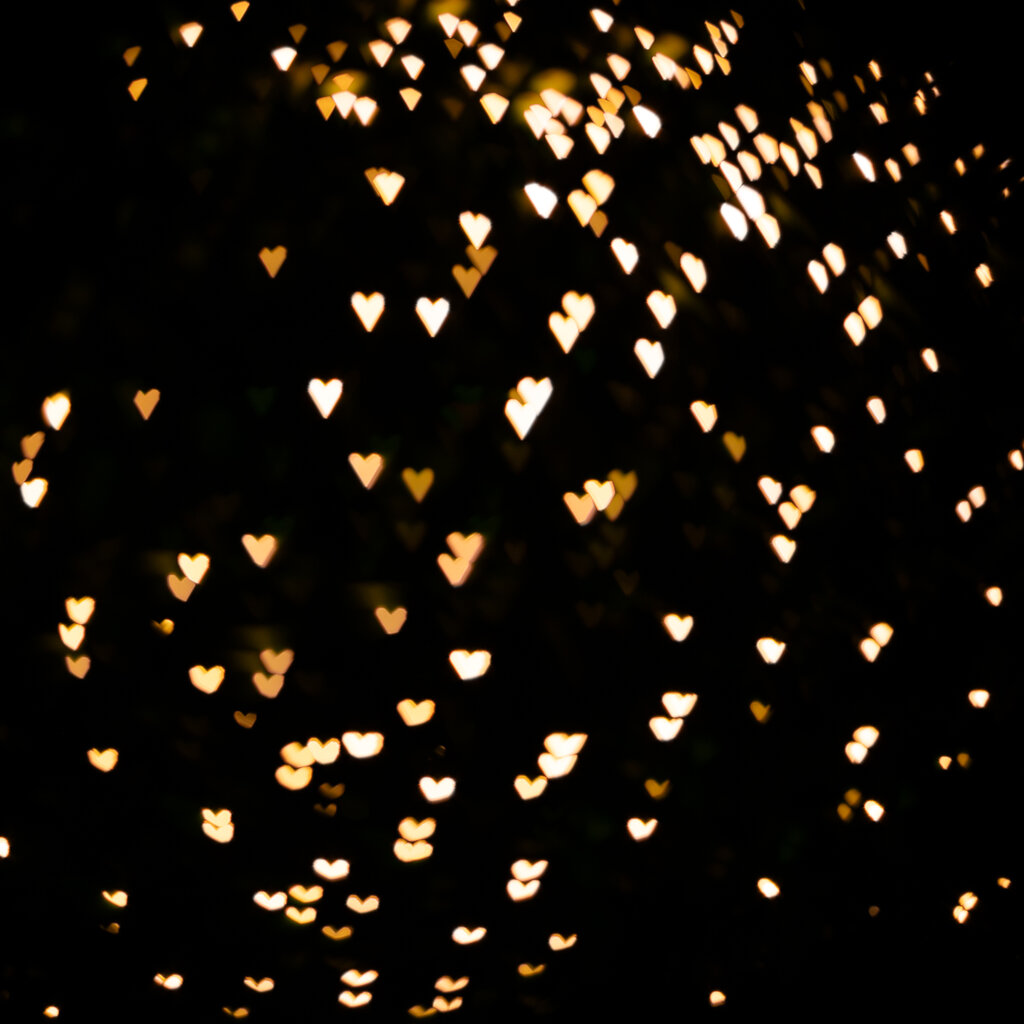
Aperture is measured in f-stops, written as f/ followed by a number (e.g., f/1.8, f/8). Here’s the tricky part: a smaller f-number means a wider opening, which lets in more light. A larger f-number means a smaller opening, letting in less light.
Besides controlling brightness, aperture also affects the depth of field—how much of your image is in sharp focus. A wide aperture (like f/1.8) creates a shallow depth of field, making your subject sharp while blurring the background. This is perfect for portraits. A narrow aperture (like f/16) keeps everything in focus, from the foreground to the background, which is ideal for landscapes.
shutter speed
noun
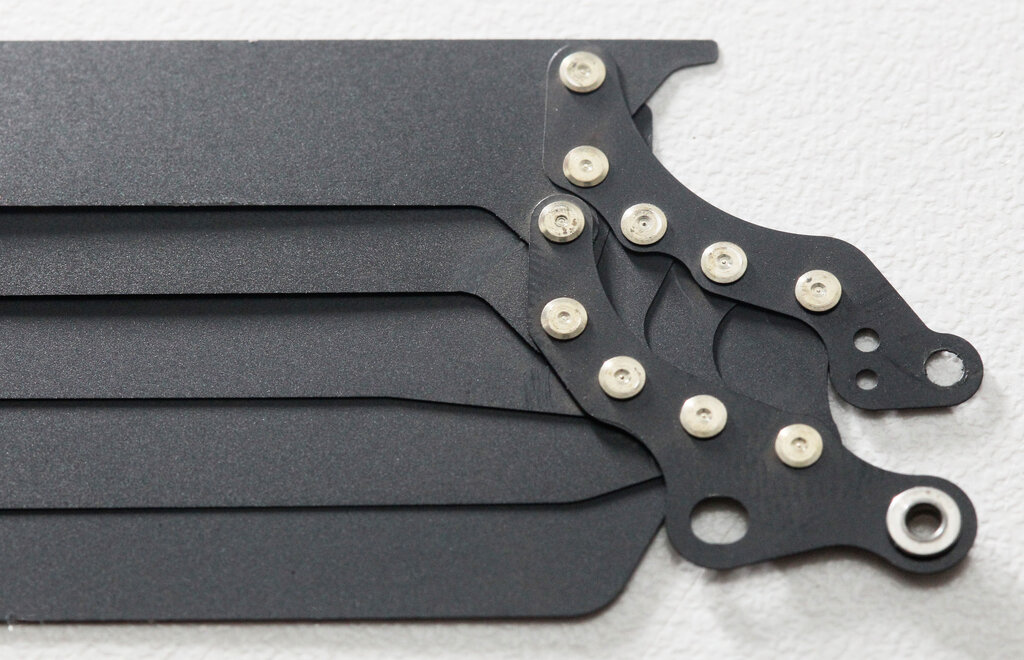
The length of time the camera's shutter is open, exposing the sensor to light.
Shutter speed is measured in seconds or fractions of a second (e.g., 1/1000s, 1/60s, 2s). It controls how motion is captured. A fast shutter speed, like 1/1000s, freezes motion, making it great for sports or capturing a bird in flight. A slow shutter speed, like 1 second or longer, creates motion blur. This can be used creatively to show the movement of water in a waterfall or the light trails of cars at night.
ISO
noun
A measure of the camera sensor's sensitivity to light. It's an acronym for International Organization for Standardization.
ISO determines how sensitive your camera's sensor is to light. A low ISO (like 100 or 200) is used in bright conditions and produces the highest quality image with the least amount of grain. As the light gets dimmer, you can increase the ISO (to 1600, 3200, or higher) to make the sensor more sensitive. The trade-off is that higher ISO settings introduce digital "noise" or graininess into the picture, which can reduce image quality.
Mastering photography means learning to balance these three settings to get the perfect exposure for any situation.
Reading the Specs
When looking at cameras, you'll see a list of specifications. Understanding a few key terms will help you know what you're looking at.
Don't get lost in the numbers. The best camera is the one that you enjoy using and that helps you capture the images you envision.
Megapixels (MP): This refers to the resolution of the sensor. A higher megapixel count means the camera can capture more detail and produce larger prints. For most uses, anything over 12 MP is plenty.
Sensor Size: This is more important than megapixels. Larger sensors can gather more light, which generally means better performance in low light and higher overall image quality. Common sizes include Full-Frame (the largest), APS-C (common in DSLRs and mirrorless cameras), and Micro Four Thirds.
Focal Length: Measured in millimeters (mm), this tells you how "zoomed in" a lens is. A small number (like 18mm) is a wide-angle lens, great for landscapes. A large number (like 200mm) is a telephoto lens, perfect for bringing distant subjects closer.
Armed with these basics, you're ready to start exploring the world of digital photography. It's all about experimenting and finding what works for you.
What is the primary physical difference between a DSLR and a mirrorless camera?
You are taking a portrait and want your subject to be in sharp focus while the background is blurry. Which aperture setting would be most effective for this?