Somatic Mastery and Vagus Nerve Regulation
Vagal Tone Mechanics
The Heart's Vagal Brake
Your heart has its own internal pacemaker, the sinoatrial (SA) node, which keeps it beating rhythmically. Left to its own devices, the SA node would set a faster pace, roughly 100 beats per minute. So why isn't your resting heart rate that high? The answer lies with the vagus nerve.
Think of the vagus nerve as a brake pedal for your heart. When your parasympathetic nervous system is active, the vagus nerve releases a neurotransmitter called acetylcholine at the SA node. This chemical signal slows down the heart's firing rate, keeping it in a state of calm readiness. This braking action is what we call cardiac vagal tone.
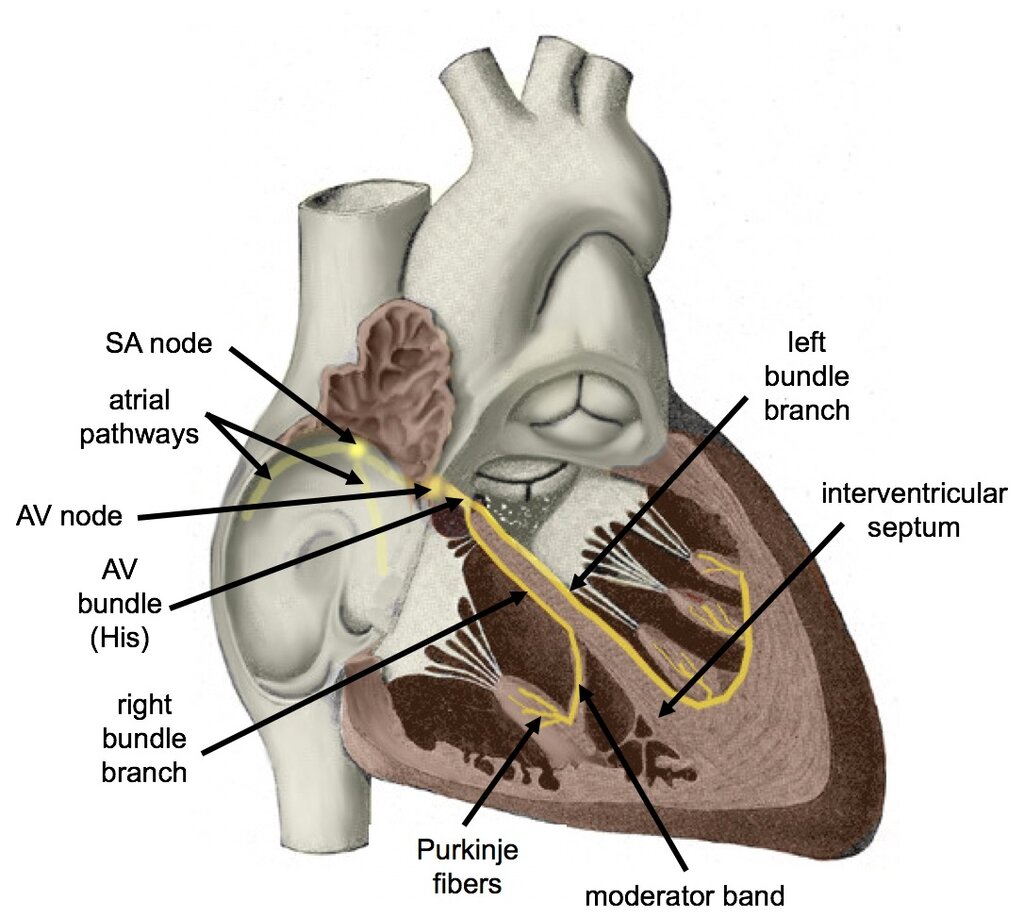
When this vagal brake is strong, your nervous system can quickly adjust your heart rate to meet environmental demands and then efficiently return to a calm state. A weak brake, however, means the system struggles to slow down, often getting stuck in a state of high alert.
High vagal tone allows for a quick and efficient recovery from stress. Low vagal tone suggests a system stuck in a defensive, high-alert loop.
Measuring Your Brake's Strength
We can measure the effectiveness of this vagal brake using a metric called Heart Rate Variability (HRV). HRV isn't about how fast your heart beats, but about the tiny variations in time between each beat.
A high HRV indicates that your vagal brake is working well. Your nervous system is responsive and adaptable, able to speed up or slow down the heart as needed. This reflects good emotional resilience. Conversely, a low HRV suggests that the vagal brake is weak. The heart beats more like a metronome, with little variation, indicating that the sympathetic (fight-or-flight) system is dominant and the body is under stress.
Acetylcholine
noun
A neurotransmitter that plays a key role in the parasympathetic nervous system, responsible for functions like slowing the heart rate and promoting digestion.
Think of it like driving a car in traffic. A skilled driver constantly makes small adjustments to the gas and brake pedals to maintain a smooth ride. This is like a high HRV. An unskilled driver might slam on the gas and then the brake, resulting in a jerky, inefficient ride. This is like a low HRV, where the system is less adaptable.
A Two-Way Street
The vagus nerve isn't just a one-way communication line from the brain to the body. It's overwhelmingly a sensory nerve. About 80% of its fibers are afferent, meaning they carry information from the body's organs back to the brain.
This is a crucial point. It means your brain is constantly receiving updates on the state of your internal organs. This forms the scientific basis for somatic, or body-first, interventions. By changing your breathing, posture, or even the tone of your voice, you can send signals up the vagus nerve to your brain, influencing your emotional state. You aren't just thinking your way into feeling calm; you are physiologically shifting your body to signal safety to your brain.
Vagal Tone and Resilience
Your vagal tone is a direct reflection of your emotional resilience. When you have high vagal tone, your body is better at regulating stress hormones like cortisol. After a stressful event, the vagal brake engages efficiently, helping your system return to baseline. This allows for flexible emotional responses and a greater capacity for social engagement.
Someone with low vagal tone finds it harder to recover from stress. The sympathetic system remains active, and cortisol levels can stay elevated, contributing to feelings of anxiety and being overwhelmed. The system is less resilient because its primary calming mechanism is less effective.
Higher HRV is associated with stronger vagus nerve function, lower chronic stress levels, better overall health, and improved cognition.
By understanding these mechanisms, we can move from simply knowing that we feel stressed to understanding why and what physiological levers we can pull to change it.
Ready to test your knowledge?
What is the primary function of the vagus nerve in relation to the sinoatrial (SA) node?
A high Heart Rate Variability (HRV) indicates that...
Understanding the mechanics of vagal tone and HRV provides a powerful toolkit for managing your own nervous system.