Somatic Exercises for Delayed Orgasm
Neurobiology of Ejaculation
The Ejaculatory Reflex Arc
Ejaculation is more than a simple on/off switch; it's a precisely coordinated neural reflex. This sequence, known as the ejaculatory reflex arc, involves a sophisticated conversation between your brain, spinal cord, and pelvic muscles. Think of it as a two-act play orchestrated by the nervous system.
The first act is emission. This is when the sympathetic nervous system cues the smooth muscles of the vas deferens, seminal vesicles, and prostate gland to contract. These contractions move semen into the urethral bulb at the base of the penis. The second act, expulsion, is the rhythmic, involuntary contraction of the pelvic floor muscles, particularly the bulbospongiosus muscle, which propels the semen out.
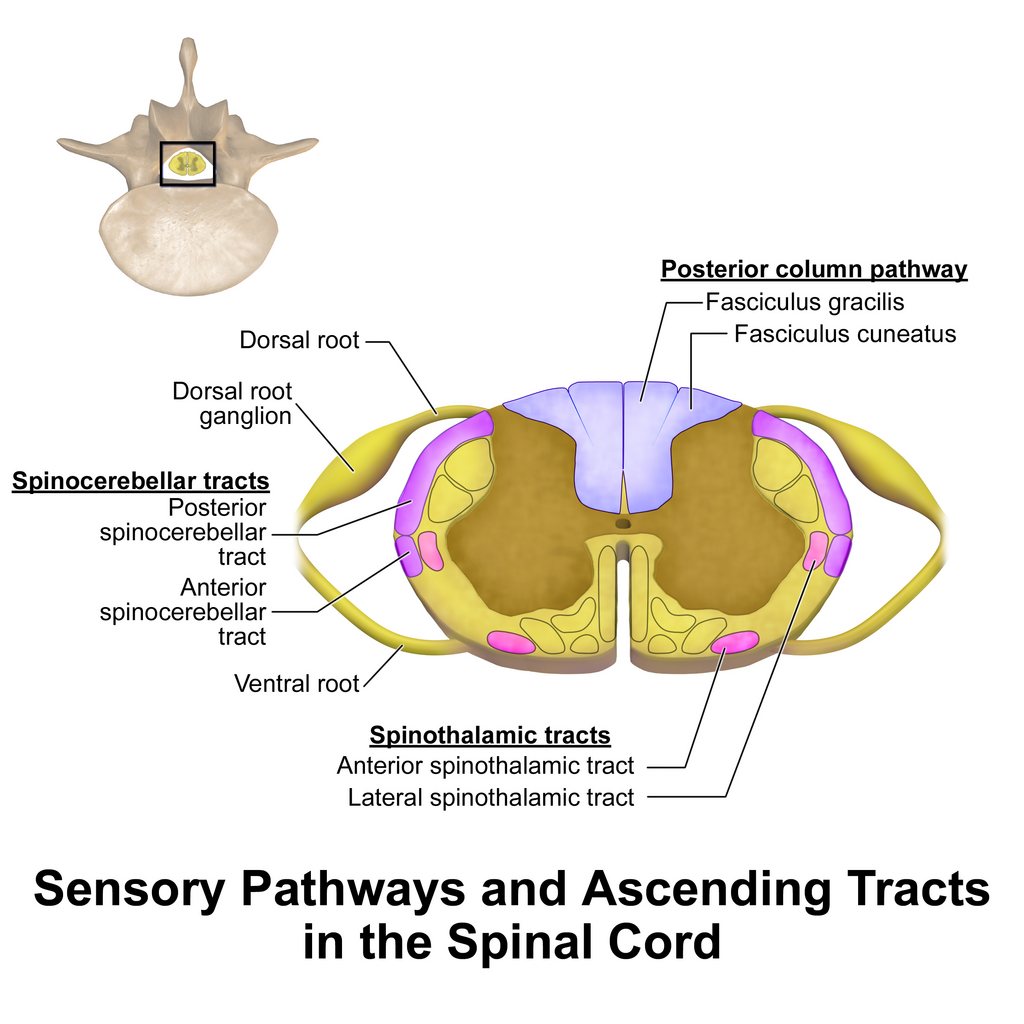
The entire process relies on sensory information from the penis traveling up the spinal cord, which then triggers a motor response back down to the pelvic structures.
An Autonomic Balancing Act
The autonomic nervous system (ANS) is the body's autopilot, managing functions we don't consciously control. It has two main branches with opposing roles: the parasympathetic (PSNS) and sympathetic (SNS) nervous systems. The PSNS handles "rest and digest" functions, while the SNS manages "fight or flight" responses. A healthy sexual response requires a delicate dance between the two.
Arousal and erection are primarily driven by the parasympathetic system, originating from the sacral region of the spinal cord (S2-S4). This is the "rest and digest" phase, allowing blood vessels to relax and fill the penis. As arousal intensifies, the sympathetic nervous system, with nerves exiting the spine (T10-L2), must take over to initiate emission. It’s a handoff from a state of calm relaxation to one of controlled, excitatory action.
Point: Parasympathetics make the penis Point (allows for erection)
This leads to the next crucial step in the process, which is also governed by the sympathetic system.
Squeeze: Sympathetics Squeeze (peristalsis brings semen into urethra)
Finally, the expulsion phase involves the somatic nervous system—which controls voluntary muscles—triggering the rhythmic contractions of the pelvic floor. It's a three-system coordination: parasympathetic to start, sympathetic to transition, and somatic to finish.
When the System Gets Stuck
Sometimes, this smooth handoff from the parasympathetic to the sympathetic system breaks down. This can happen due to a state called 'Sympathetic Hyperactivity.' When you experience performance anxiety, stress, or other psychological tension, your body gets stuck in a low-grade 'fight or flight' mode. Your sympathetic nervous system is already overactive, creating neural noise that disrupts the specific signals needed to cross the ejaculatory threshold.
This condition is often reinforced by chronic pelvic floor —a state where the pelvic muscles are constantly, unconsciously clenched. A tight pelvic floor doesn't just feel uncomfortable; it sends a continuous stream of afferent (incoming) signals to the spinal cord and brain that are interpreted as a threat. This creates a vicious feedback loop: anxiety causes muscle tension, which sends stress signals to the brain, which reinforces the anxious, sympathetic state.
In this state, the nervous system never receives the 'all-clear' signal that allows it to progress smoothly through the ejaculatory reflex. The system is too preoccupied with the perceived threat—communicated by both the mind and the body—to execute the complex coordination required for orgasm.
Now, let's check your understanding of these neural mechanics.
What are the two distinct phases of the ejaculatory reflex arc, in the correct order?
A healthy sexual response requires a 'handoff' from a state of calm relaxation to one of controlled, excitatory action. Which nervous systems are involved in this handoff, and in what order?
Understanding this interplay between your mind, muscles, and nervous system is the key to resolving issues with autonomic balance.