Somali Politics Explained
Historical Background
The Scramble for Somalia
In the late 19th century, European powers carved up the Horn of Africa, dividing the lands inhabited by ethnic Somalis. This period, known as the "Scramble for Africa," created several new colonial territories. Great Britain established the Somaliland Protectorate in the north, along the coast of the Gulf of Aden. Italy controlled the much larger southern territory, which became Italian Somaliland.
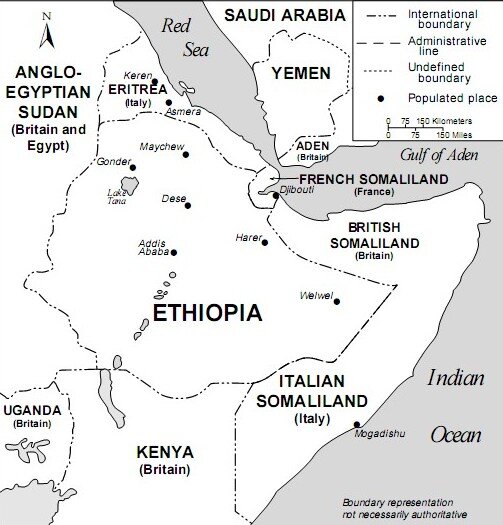
Other Somali-inhabited lands were incorporated into French Somaliland (modern-day Djibouti), Ethiopia's Ogaden region, and the Northern Frontier District of Kenya. Each colonial power administered its territory differently. The British employed a system of indirect rule in their protectorate, governing through local leaders with a relatively small administrative footprint. Italy, in contrast, pursued a more direct form of control, encouraging Italian settlement and developing plantations in the fertile river valleys of the south.
These different colonial experiences created distinct legal, administrative, and economic systems in the north and south, a reality that would complicate future unification efforts.
The Path to Independence
After World War II, a wave of nationalism swept across the globe, and Somalia was no exception. The dream of a unified "Greater Somalia," a single nation for all Somali people, became a powerful political force. Political parties began to form, most notably the Somali Youth League (SYL), which campaigned vigorously for independence and unification.
The post-war settlement had a huge impact on the region. Italian Somaliland was made a United Nations Trust Territory, but with a crucial condition: it would be administered by Italy for a period of ten years, with the clear goal of preparing it for independence by 1960. This timeline created a sense of urgency and set a firm date for sovereignty.
Political instability stemmed from weak institutional frameworks inherited from colonial rule
In British Somaliland, the path was less structured, but the momentum from the south was undeniable. As the 1960 deadline for Italian Somaliland's independence approached, leaders in the British protectorate pushed for their own freedom to make unification possible.
A New Nation is Born
The year 1960 was momentous. On June 26, the British Somaliland Protectorate gained its independence from Britain. It was a sovereign state, but only for a few days.
Somaliland, situated in the Horn of Africa, was a British Protectorate from 1884 until its independence on 26 June 1960.
Five days later, on July 1, the Trust Territory of Somaliland became independent from Italy. On that same day, the two newly freed states united, fulfilling the long-held dream of a single Somali nation. The Somali Republic was born.
The new country adopted a parliamentary democracy. Aden Abdullah Osman Daar became the first President, and Abdirashid Ali Shermarke served as the first Prime Minister. The early government faced the enormous task of stitching together two territories with different languages of administration (English and Italian), different legal codes, and different economic structures. Despite the popular enthusiasm for unity, these inherited differences posed significant challenges from the very beginning.
The new nation was founded on a powerful idea of unity, but the practical work of building a single, stable state had just begun.