Solving Math O Level Exercise 1A
Number Operations
The Core Four Operations
At the heart of math are four basic operations: addition, subtraction, multiplication, and division. They are the tools we use to work with numbers. Let's start with whole numbers, which are numbers without any fractional or decimal parts, including zero and negative numbers.
Integer
noun
A whole number (not a fractional number) that can be positive, negative, or zero.
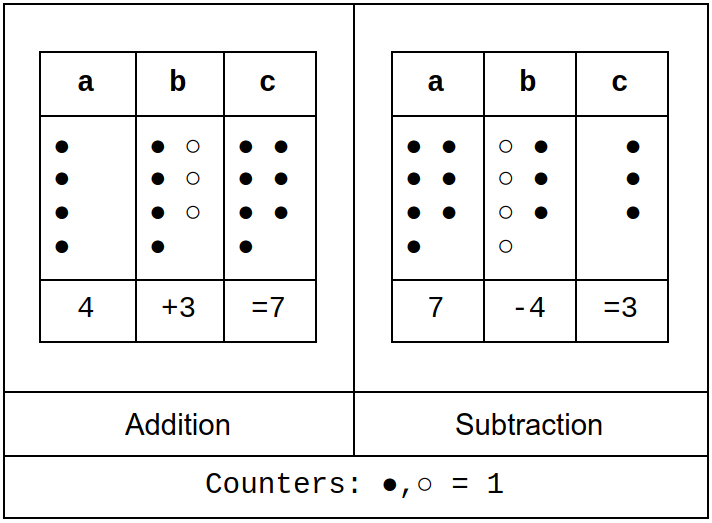
Addition combines numbers to find a total, or sum. Subtraction finds the difference between two numbers.
For example, if you have 8 apples and get 5 more, you add them together.
If you start with 13 apples and eat 2, you subtract to see what's left.
Multiplication is essentially repeated addition. Instead of adding 4 + 4 + 4, you can multiply.
Division is the opposite. It's the process of splitting a number into equal parts. If you have 12 cookies to share among 3 friends, you divide.
Each friend gets 4 cookies. Sometimes division doesn't work out perfectly, leaving a remainder. For instance, 13 divided by 3 is 4 with a remainder of 1.
Working with Parts of a Whole
Not everything comes in whole numbers. That's where fractions come in. A fraction represents a part of a whole, like a slice of pizza or half a cup of flour. It has two parts: the numerator (top number) and the denominator (bottom number).
Adding and subtracting fractions requires a common denominator. This means the bottom numbers of the fractions must be the same before you can operate on them. You can't add thirds and fourths directly; you have to find a common unit, like twelfths.
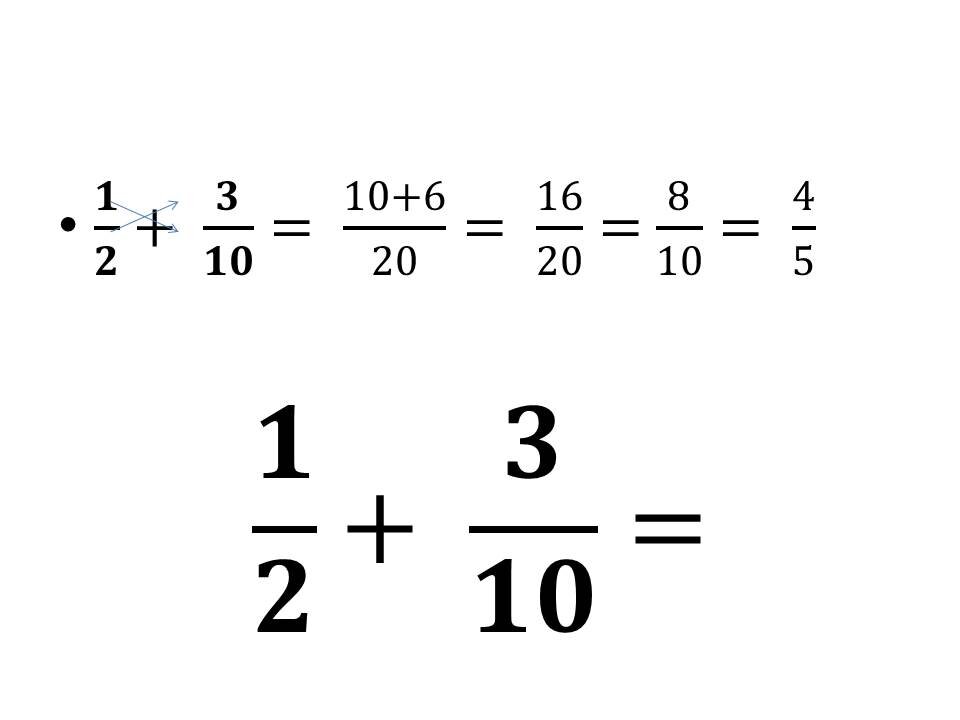
For example, to add $1/3$ and $1/4$, you first convert them to have a common denominator, which is 12.
Multiplying fractions is more straightforward. You just multiply the numerators together and the denominators together.
To divide fractions, you use a simple trick: invert the second fraction (flip it upside down) and then multiply.
Operations with Decimals
Decimals are another way to write fractions. They are based on powers of 10. The position of a digit after the decimal point tells you its value. For example, 0.5 is the same as $1/2$, and 0.25 is the same as $1/4$.
When adding or subtracting decimals, the most important rule is to line up the decimal points. This ensures you are adding or subtracting digits with the same place value, like tenths with tenths and hundredths with hundredths.
For example, to add 12.5 and 3.45, you would set it up like this: 12.50
- 3.45
15.95
Multiplying decimals is a bit different. First, you multiply the numbers as if they were whole numbers, ignoring the decimal points. Then, you count the total number of decimal places in the original numbers. Your answer will have that many decimal places.
So, to multiply , you'd first calculate . Since has one decimal place and has one, the result needs two decimal places. The answer is 0.75.
Dividing decimals involves making the divisor (the number you're dividing by) a whole number. You do this by moving the decimal point in both the divisor and the dividend (the number being divided) the same number of places to the right. Then you just divide as usual.
Ready to test your knowledge of these fundamental operations?
What is the remainder when 27 is divided by 5?
True or False: To add or subtract fractions, the first step is always to find a common denominator.
Understanding these basic operations is the foundation for almost everything else in mathematics. With a solid grasp of how to work with whole numbers, fractions, and decimals, you're well-equipped to tackle more advanced topics.