Solo TTRPG Adventures
Introduction to Solo TTRPGs
Your Own Adventure
Tabletop role-playing games are usually social. A group of friends gathers to tell a collaborative story, guided by a Game Master, or GM. But what if you want that same creative thrill without having to schedule a session with five other people?
Solo role-playing offers a different way to play. In a solo TTRPG, you are the player, the protagonist, and the audience, all at once. Instead of a human GM, the game's rules and random tables act as your guide. These tools, often called oracles, help you answer questions, generate unexpected plot twists, and create a world that surprises even you, its sole creator.
Imagine a conversation with a book that writes itself as you read it. That's the core of a solo RPG.
This style of play blends the structured rules of a game with the freedom of journaling or creative writing. You create a character, put them in a situation, and see what happens. The appeal is in the discovery. You don’t know how the story will end until you play your way there.
The Rise of Solo Play
Solo adventures aren't entirely new. Since the earliest days of TTRPGs in the 1970s, publishers have released modules designed for a single player. These were often heavily scripted, much like a choose-your-own-path book, guiding you through a pre-written dungeon or quest.
Modern solo RPGs have evolved far beyond that. The recent surge in popularity is driven by independent creators and online communities. Today's games are less about following a set path and more about providing a framework for emergent storytelling. They give you tools to generate your own world, your own conflicts, and your own resolutions.
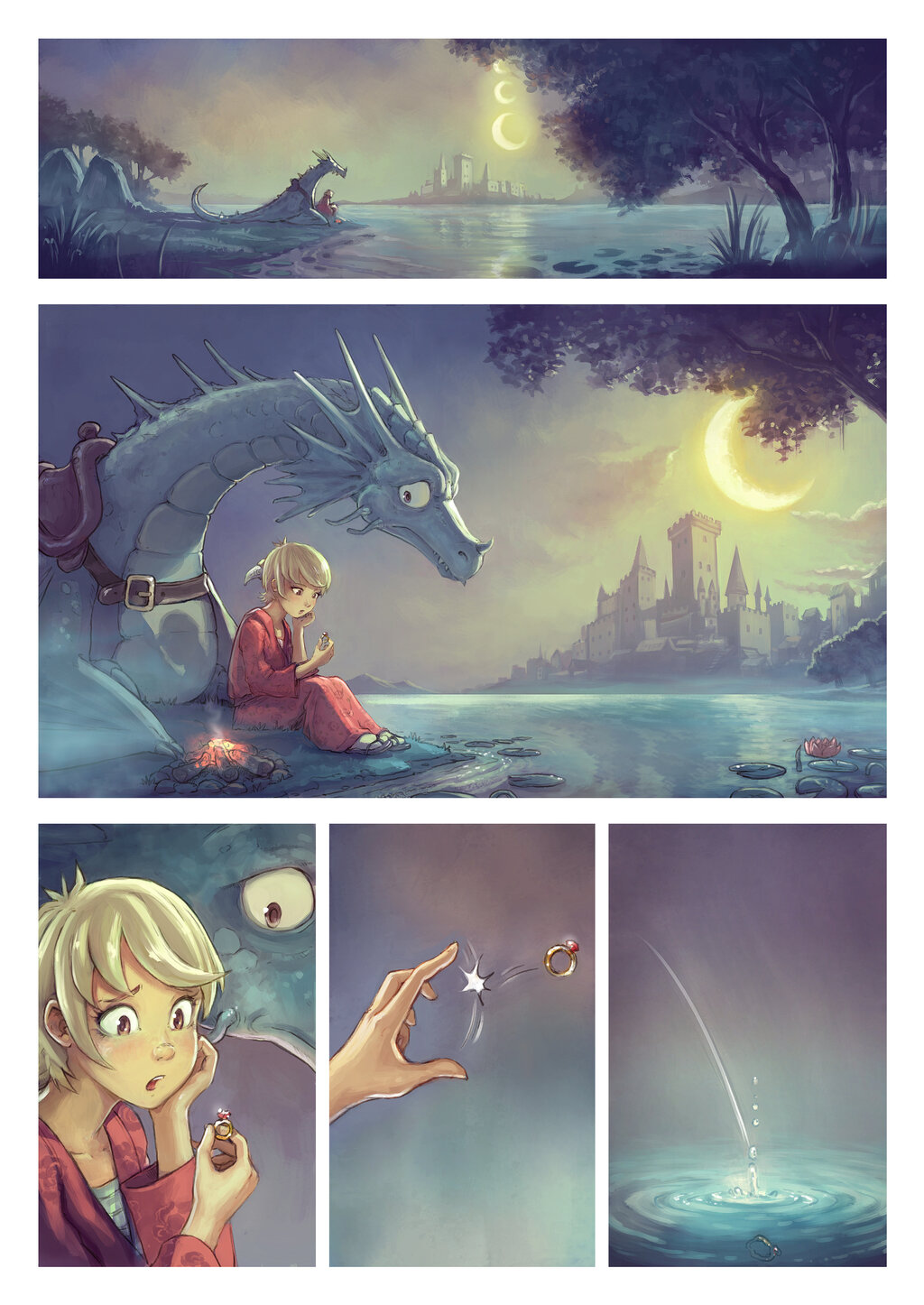
This shift has opened the door to an incredible diversity of experiences. The flexibility to play whenever and wherever you want is a huge draw for people with busy schedules or those who simply prefer a more personal, reflective gaming session.
Unlimited Worlds
The world of solo RPGs is as vast as your imagination. While classic fantasy adventures are always an option, the format supports virtually any genre or theme. You can find games that let you explore derelict spaceships, solve noir mysteries in rain-slicked cities, or simply live a quiet life as a baker in a fantasy village.
Some popular genres include:
- Journaling games: These focus on reflective writing, using prompts to build a character's story over time.
- Horror: You might be the lone survivor of a cosmic horror event, documenting your descent into madness.
- Science Fiction: Chart unknown star systems, negotiate with alien species, or survive on a hostile planet.
- Exploration: Map a forgotten wilderness, delve into ancient ruins, or sail uncharted seas.
The beauty of solo play is its intensely personal nature. The story is shaped entirely by your choices and the roll of the dice. This creates a deep connection to your character and their journey, making the triumphs more rewarding and the setbacks more meaningful. It's an opportunity to explore themes and stories that resonate with you, at your own pace.
The autonomy afforded by single-player titles allows players to make their own choices, dictate their own pace, and forge their own path through a virtual world without the need for group consensus or the pressure of real-time collaboration.
Without the need to coordinate with others, you have complete freedom. A session can last for fifteen minutes or five hours. You can pause in the middle of a dramatic scene and pick it up a week later. This flexibility makes it a uniquely accessible and rewarding form of creative play.