Solidity Smart Contracts for Tokens and Coins
Introduction to Blockchain
What Is a Blockchain?
Think of a blockchain as a special kind of digital notebook. Instead of being owned by one person or company, this notebook is shared among many computers around the world. Every time something new is recorded—like a transaction—it gets its own page, called a block. Once a page is filled and added to the notebook, it can't be changed or removed. Ever.
At its most basic level, a blockchain is a digital ledger maintained by a decentralized network of computers.
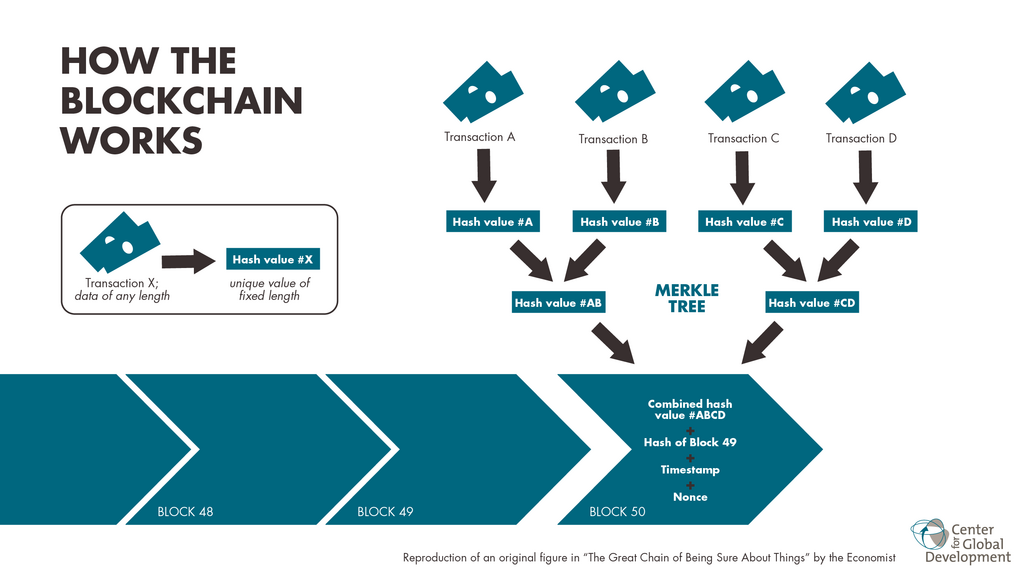
The name itself gives a clue to its structure. Data is grouped into blocks. Each block contains a list of recent transactions, a timestamp, and a unique digital fingerprint called a hash. Crucially, it also includes the hash of the block that came before it. This creates a chain, linking each new block securely to the previous one all the way back to the very first block.
If someone tried to alter a transaction in an old block, its hash would change. This would break the link to the next block, and all subsequent blocks would become invalid. It's like a digital seal that makes the history of transactions tamper-proof.
Keeping Everyone in Sync
A traditional ledger, like the one your bank uses, is centralized. The bank owns it, controls it, and is the single source of truth. If their server goes down or gets hacked, it's a huge problem. A blockchain, however, is decentralized.
decentralization
noun
The transfer of control and decision-making from a centralized entity (individual, organization, or group thereof) to a distributed network.
Instead of one master copy, every computer in the network (called a node) has its own identical copy of the entire ledger. When a new block of transactions is proposed, the nodes must agree on its validity before it can be added to the chain. This agreement process is called a consensus mechanism.
There are different ways to achieve consensus, but they all serve the same purpose: to ensure everyone's copy of the ledger is the same and that all new transactions are legitimate. This makes the system incredibly resilient. To take down the network, you'd have to take down thousands of computers all at once. To fake a transaction, you'd have to convince the majority of the network that your fake version is real, which is practically impossible.
Decentralization means there's no single point of failure and no single entity in charge. The power is distributed among the users.
More Than Just Money
While blockchain was famously introduced with Bitcoin for financial transactions, its potential goes far beyond digital currency. The core idea—a secure, decentralized, and transparent way to record information—is useful for many different applications.
For example, blockchains can be used to:
- Track supply chains: Follow a product from the factory to the store shelf, ensuring authenticity and preventing counterfeits.
- Manage voting systems: Create secure and transparent election results that are difficult to tamper with.
- Verify identity: Give individuals control over their own digital identities without relying on a central authority.
- Record ownership: Create a permanent record of who owns what, from digital art (NFTs) to real estate.
In each case, the blockchain provides a shared, trustworthy record that doesn't need a middleman like a bank, government, or corporation to manage it. This ability to create trust between people who don't know each other is what makes the technology so powerful.
Let's check your understanding of these core concepts.
What is the primary purpose of a consensus mechanism in a blockchain network?
If a malicious actor successfully alters a single transaction in a block from the past, what happens?
This foundation gives us a platform to build upon. Next, we'll see how this technology enables self-executing programs called smart contracts.