Solid Dosage Forms Tablets versus Capsules
Drug Release Dynamics
The Race to Release
Once a solid drug form is swallowed, its journey is a race against time. The goal is to get the Active Pharmaceutical Ingredient (API) into the bloodstream where it can do its job. This journey has two key stages: disintegration, where the solid form breaks apart, and dissolution, where the API dissolves into the surrounding fluids. How a drug is packaged—as a compressed tablet or an encapsulated powder—fundamentally changes the dynamics of this race.
The speed of these processes directly impacts the drug's bioavailability, or the proportion of the dose that reaches systemic circulation. Laboratories measure these rates using in vitro dissolution testing, which simulates the conditions of the human gut to predict how a drug will behave.
Tablets Unpacked
Tablets are created by compressing a powder blend into a solid form. The amount of compression force used is a critical variable. High compression creates a dense, hard tablet with low porosity. This structure is durable, but it can significantly slow down the entry of water, delaying both disintegration and dissolution. Conversely, lower compression force results in a more porous tablet that allows water to penetrate quickly.
To counteract the effects of high compression and ensure rapid breakdown, formulations include specialized excipients called These are substances that actively pull water into the tablet's core, causing it to swell and break apart from the inside out. The balance between compression force and the type and amount of disintegrant allows manufacturers to engineer a precise release profile.
The Capsule's Delay
Capsules present a different challenge. The drug, usually a powder or granule, is already in a state ready for dissolution. The main barrier is the shell itself. This introduces a "lag time"—the period required for the shell to dissolve or rupture before the contents are exposed to gastrointestinal fluids. This lag time is a defining characteristic of capsule performance.
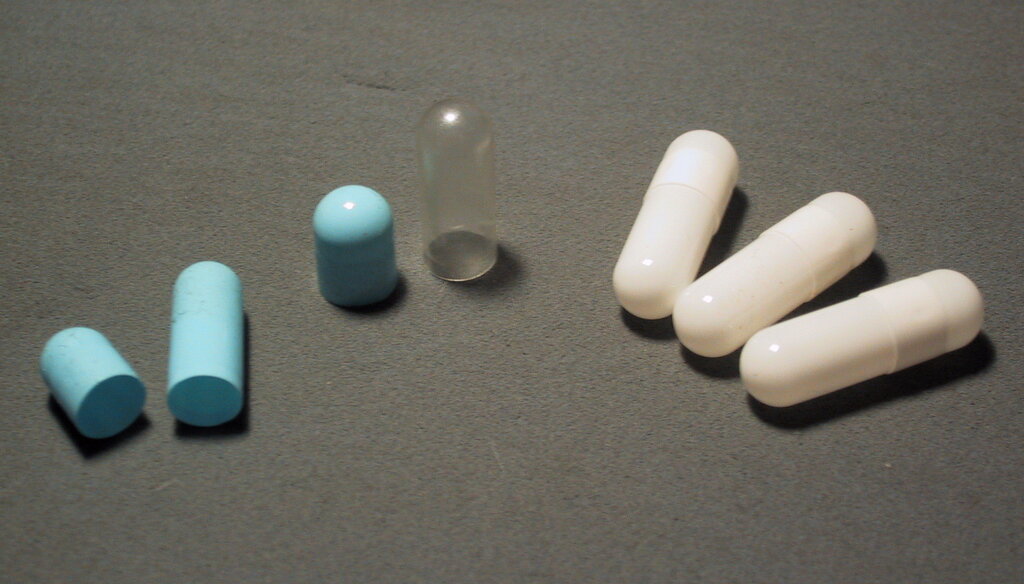
The shell's composition is the primary factor controlling this delay. Traditionally, shells are made of gelatin, an animal-derived protein. Gelatin shells dissolve reliably in the warm, fluid environment of the stomach. However, vegetarian alternatives like HPMC (hydroxypropyl methylcellulose) are now common. HPMC shells are less sensitive to temperature and moisture, and their dissolution is primarily driven by contact with water, making their behavior slightly different from gelatin.
Bioavailability Showdown
So which form delivers the drug faster? It depends entirely on the formulation. A well-formulated tablet with an effective disintegrant can break apart and release its API very quickly, sometimes even faster than a capsule can dissolve its shell. Conversely, a high-density tablet with no disintegrant will be much slower.
The choice isn't about tablets versus capsules in general, but about a specific tablet formulation versus a specific capsule formulation. The thickness and material of a capsule shell, or the porosity and disintegrant choice in a tablet, are the details that determine the onset of action and overall bioavailability.
For therapeutic outcomes, these details are paramount. A rapid-release formulation is crucial for acute pain relief, while a slower, more controlled release might be desirable for managing a chronic condition. By manipulating these physical properties, pharmaceutical scientists can fine-tune a drug's performance to match its intended clinical use.
What are the two primary stages a solid oral drug must undergo before the Active Pharmaceutical Ingredient (API) can be absorbed into the bloodstream?
A pharmaceutical company wants to create a fast-acting pain reliever in tablet form. Which manufacturing approach would be most effective?