Soldering Iron Essentials
Introduction to Soldering
What is Soldering?
At its heart, soldering is a way to join metal parts together. Think of it like a special kind of glue, but for electronics. Instead of adhesive, you use a filler metal called solder. By melting the solder onto two or more metal components, you can create a strong, permanent bond.
In electronics, this bond is crucial. It doesn't just hold components in place on a circuit board; it creates a reliable electrical connection. This connection allows electricity to flow smoothly between different parts of a circuit, bringing your device to life. Every tiny silver bump you see on a circuit board is likely a solder joint, each one a tiny bridge for electrical current.
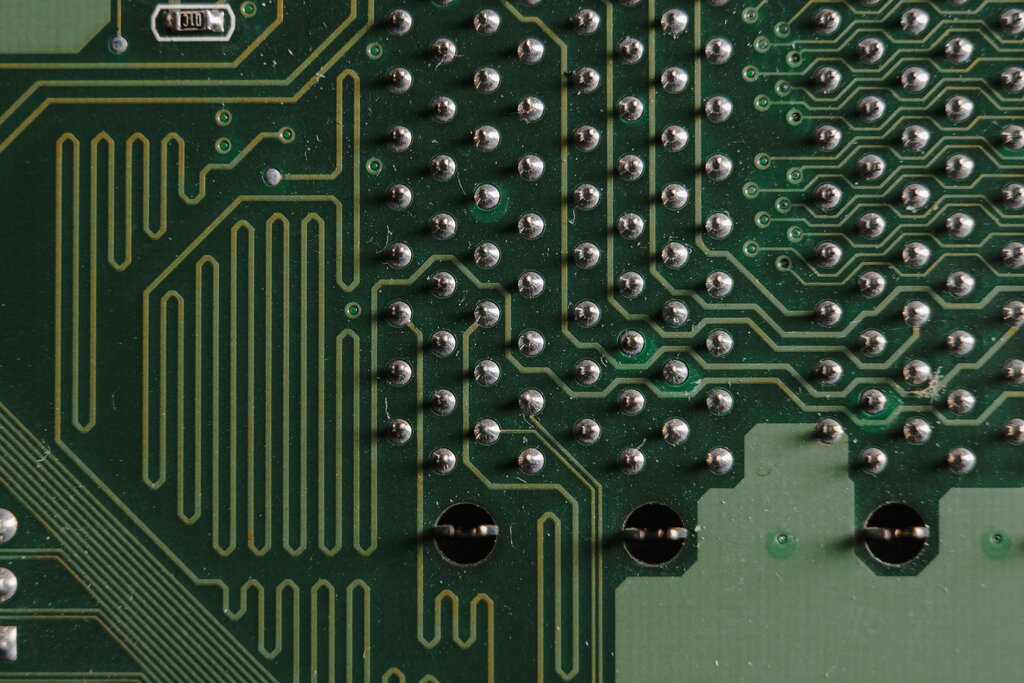
The Essential Tools
Getting started with soldering doesn't require a massive workshop. You only need a few key tools to make clean, solid connections.
Soldering Iron
noun
A hand tool that heats up to a high temperature to melt solder.
The soldering iron is your main tool. It’s essentially a hot-tipped pen that gets hot enough to melt metal. A common mistake for beginners is to use the iron to melt the solder directly. Instead, you should use the iron to heat the metal components you want to join. When they are hot enough, you touch the solder to the components, not the iron, and the solder will melt and flow into the joint.
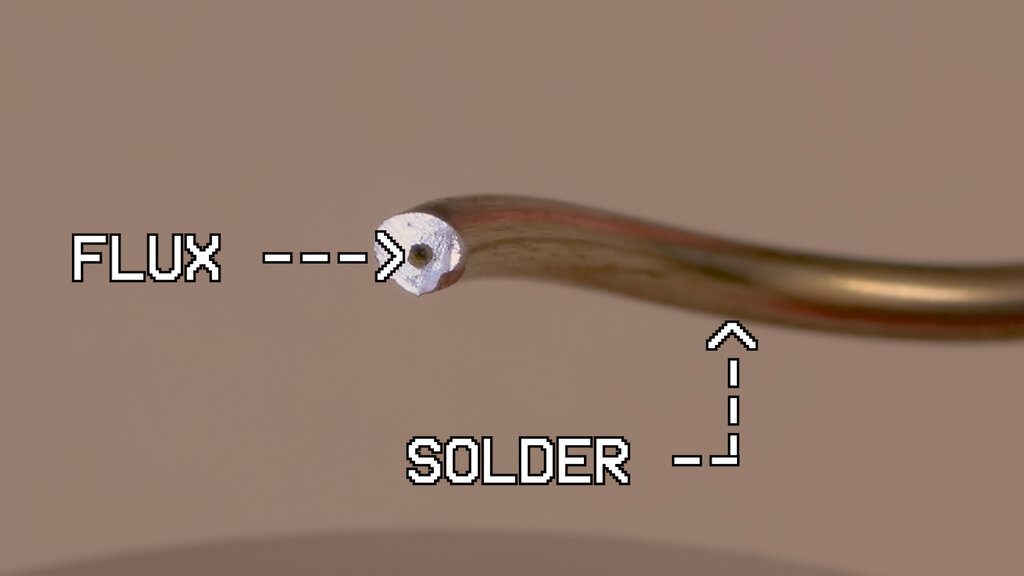
Next is the solder itself. Solder is a metal alloy with a low melting point that comes in a thin wire, usually wrapped around a spool. When it melts, it flows into the small gaps between the electronic components. As it cools, it solidifies and creates both a physical bond and an electrical connection.
The final key ingredient is flux. Flux is a chemical cleaning agent that prepares the metal surfaces for soldering. Metals, especially copper, form a thin layer of oxide when exposed to air. This oxide layer prevents solder from sticking properly. When you heat the joint, the flux activates and removes the oxides, allowing the molten solder to form a clean, strong bond.
For most electronics work, you'll use rosin-core solder, which has the flux conveniently located inside the solder wire. As the solder melts, the flux is released automatically.
Staying Safe
Soldering is a safe activity, but you're working with high heat and molten metal, so a few precautions are essential.
First, protect yourself from burns. A soldering iron tip can reach temperatures over 400°C (750°F). Always treat it as if it's hot. Never touch the metal part of the iron, and always return it to its stand when you're not actively using it. It's also a good idea to wear safety glasses, as solder can sometimes splash unexpectedly.

Second, ensure proper ventilation. When flux heats up, it creates fumes that you shouldn't breathe in. Working in a well-ventilated room is a must. You can open a window or use a small fan to blow the fumes away from your face. For more frequent soldering, a fume extractor is a great tool.
Finally, be mindful of your materials. Wash your hands after handling solder, especially if it contains lead. Keep your workspace clean and free of flammable materials. A tidy setup is a safe setup.
Ready to test what you've learned about the basics of soldering?
What is the primary purpose of soldering in electronics?
What is the correct technique when applying solder to a joint?