Solar Physics Explained
Introduction to Solar Physics
Our Star, The Sun
At the heart of our solar system lies a star: the Sun. It’s the anchor that holds everything together. Every planet, asteroid, and comet in our cosmic neighborhood revolves around it, caught in its immense presence.
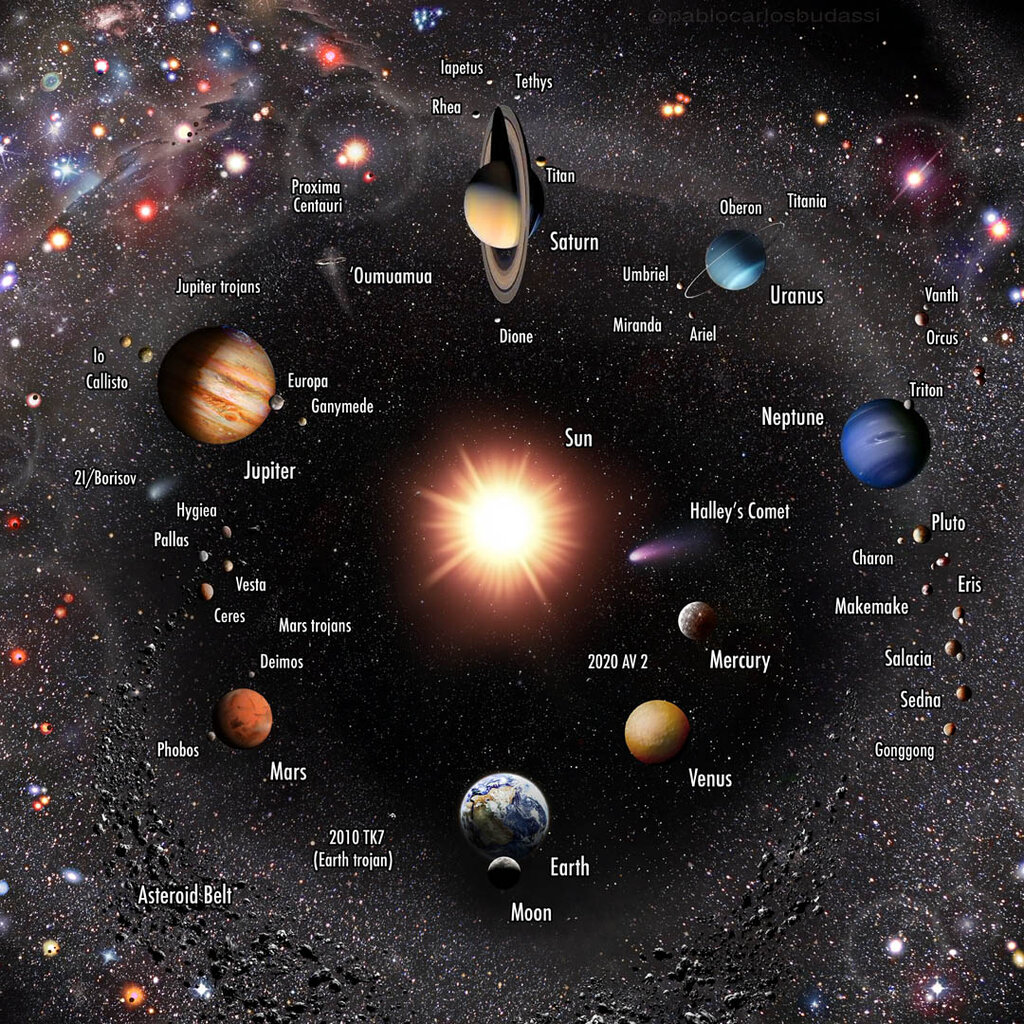
The Sun's central position is no accident. It's the most massive object by far, which gives it a powerful influence over everything else nearby. Understanding its basic properties is the first step to understanding our entire solar system.
A Matter of Scale
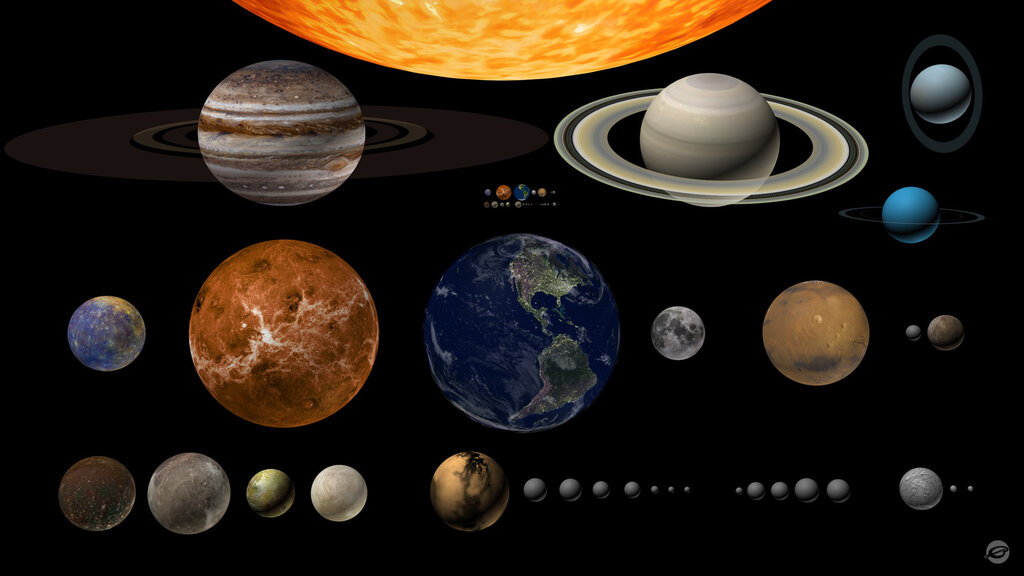
It’s hard to overstate just how big the Sun is. It contains 99.8% of all the mass in the solar system. You could fit about 1.3 million Earths inside it. If the Sun were the size of a standard front door, Earth would be about the size of a nickel.
Unlike our rocky Earth, the Sun is a giant ball of gas. It's made up almost entirely of two elements: hydrogen (about 75%) and helium (about 25%). These gases are so hot they exist in an energized state called plasma, the fourth state of matter.
The Sun’s Reach
The Sun’s massive size creates an enormous gravitational pull. This is the invisible force that keeps all the planets, from Mercury to Neptune, locked in their steady orbits. Without the Sun's gravity, Earth and the other planets would drift off into the cold, dark emptiness of space.
But the Sun’s influence doesn’t stop with gravity. It constantly radiates a tremendous amount of energy out into space in the form of light and heat. This energy travels across 93 million miles to reach Earth, where it powers our climate, allows plants to grow, and ultimately makes life possible.
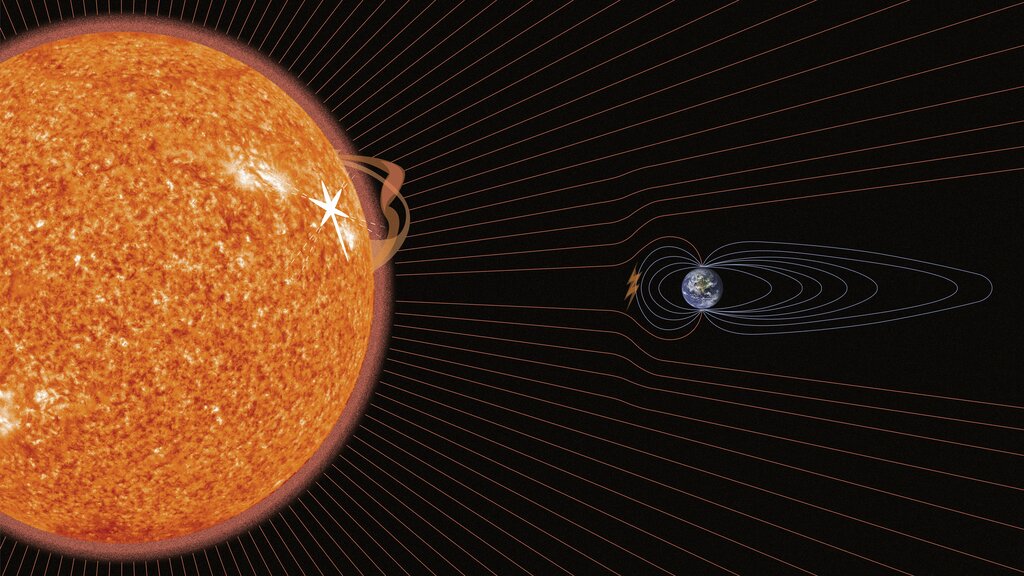
Every planet in the solar system is bathed in this energy. It warms the surface of Mars, drives the massive storms on Jupiter, and even reaches the distant, icy worlds of Uranus and Neptune. The Sun’s energy defines the environment of every object orbiting it.
Let's check your understanding of these core concepts.
What percentage of the solar system's total mass is contained within the Sun?
The Sun is primarily composed of which two elements?
These fundamentals—the Sun's central position, massive scale, and far-reaching energy—are the foundation for everything else that happens in our solar system.