Solar Panel Installation Basics
Introduction to Solar Energy
Harnessing the Sun
Solar power is the simple act of converting sunlight into electricity. It's a clean, quiet process that happens inside solar panels, those dark rectangles you see on rooftops and in open fields. At the heart of this technology is a remarkable phenomenon that turns light particles into a flow of electrons.
How Sunlight Becomes Electricity
It all starts with the photovoltaic effect. Think of sunlight as a stream of tiny energy packets called photons. When these photons strike a solar panel, they hit a special material, usually silicon, and knock electrons loose from their atoms.
These freed electrons need a direction to move in to create a current. Solar cells are designed to provide that. They're built with a positive and a negative layer, creating an electric field. This field acts like a slide, pushing the loose electrons in a single direction, which generates a direct current (DC).
Photovoltaic
adjective
Relating to the production of electric current at the junction of two substances exposed to light.
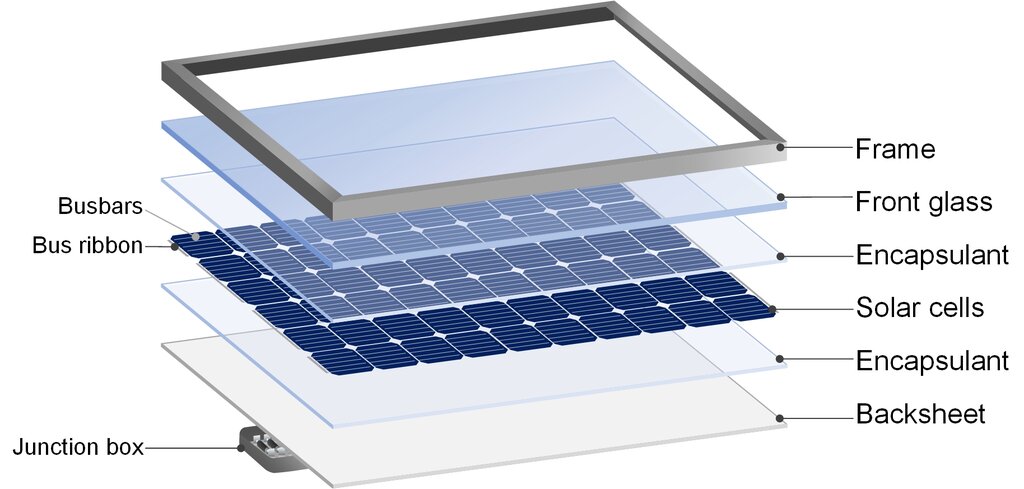
A single solar cell doesn't produce much power on its own. To generate enough electricity for a home or business, many cells are wired together into a module, or panel. Multiple panels are then linked to form a solar array. But the panels are just one part of a complete system.
The Parts of a Solar System
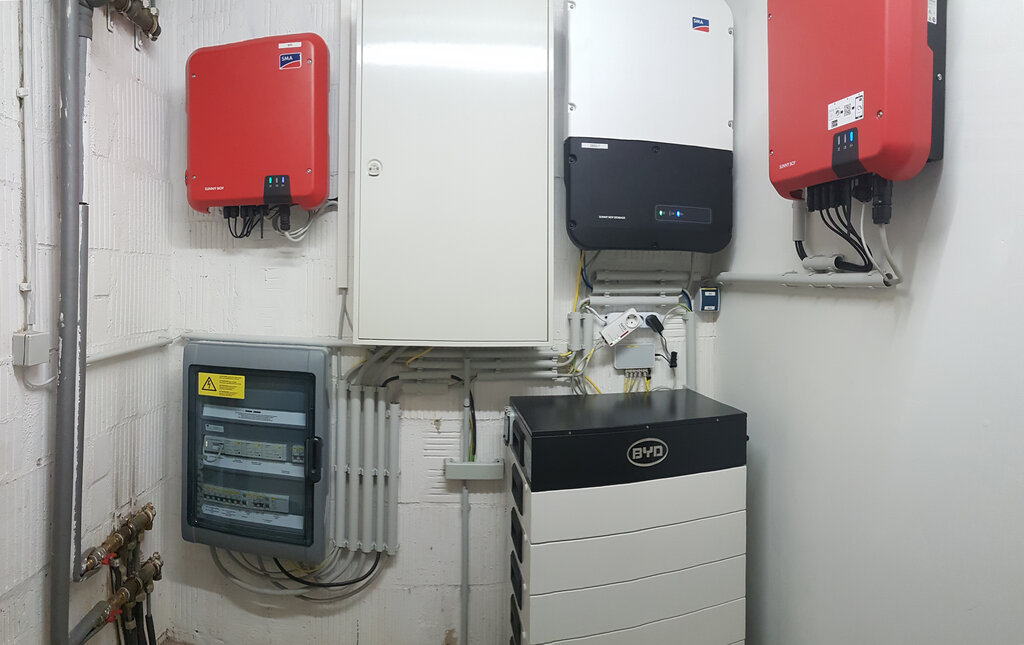
A typical solar energy system has a few key components working together to deliver power to your outlets. Beyond the panels themselves, the most important piece of equipment is the inverter.
Solar panels produce direct current (DC) electricity, but homes and the power grid use alternating current (AC). The inverter's job is to make that conversion.
Here’s a breakdown of the core parts:
- Solar Panels: The collectors, which perform the photovoltaic effect.
- Inverter: The brain of the system, converting DC power to usable AC power.
- Racking: The mounting system that secures the panels to a roof or the ground, angled to capture the most sunlight.
- Batteries (Optional): Many modern systems include batteries to store excess energy generated during the day. This stored power can be used at night or during a grid outage.
Why Go Solar?
The reasons for adopting solar power are twofold, touching on both environmental and economic benefits. They work hand-in-hand to make solar an attractive option for many.
From an environmental standpoint, solar energy is a clean power source. It produces no greenhouse gas emissions, which contribute to climate change. By generating your own electricity from the sun, you reduce your reliance on fossil fuels like coal and natural gas. This means cleaner air and water for everyone.
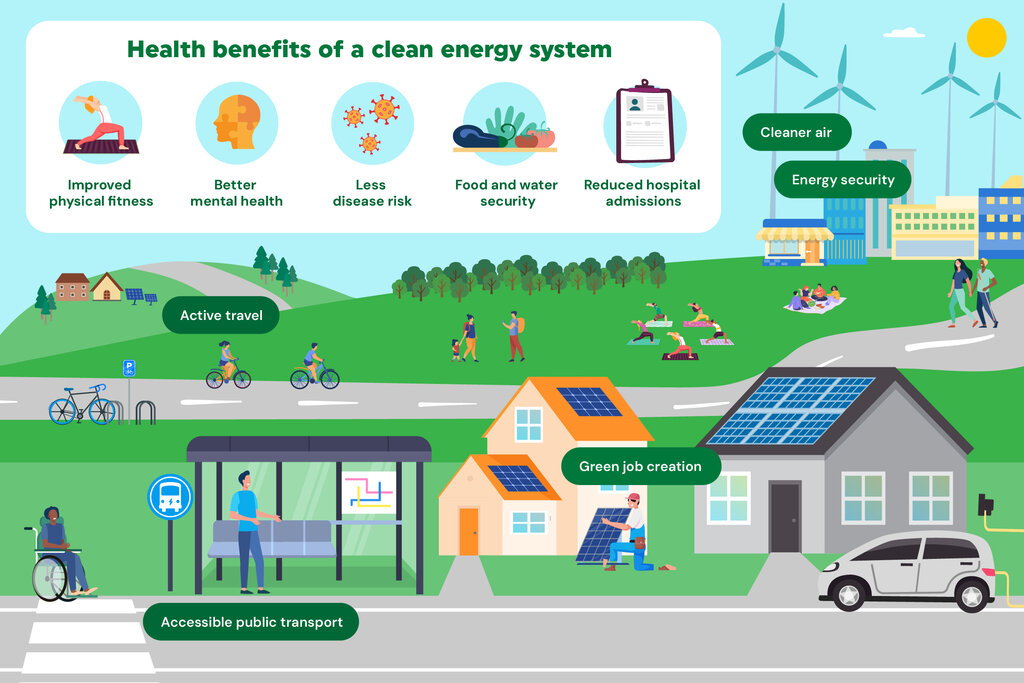
On the economic side, solar power can significantly reduce or even eliminate your electricity bills. After the initial installation cost, the energy you generate is free. Sunlight doesn't send you a monthly bill. Over time, the system pays for itself in savings.
Furthermore, adding a solar energy system can increase the value of your property. Many homeowners see it as a valuable upgrade, similar to a renovated kitchen or bathroom. Government incentives, such as tax credits and rebates, can also help lower the upfront cost, making the investment even more appealing.
The combination of long-term savings and positive environmental impact makes solar a powerful choice for energy independence.
Now that you understand the basics of how solar energy works and why it's beneficial, you're ready to explore what it takes to bring this technology to a home or building.