Solar Panel Installation Basics
Introduction to Solar Energy
Energy from the Sun
Our sun is a massive nuclear furnace, constantly converting hydrogen into helium. This process, called nuclear fusion, releases an incredible amount of energy. This energy travels across the 93 million miles of space to reach Earth in the form of electromagnetic radiation, which we experience as sunlight and heat.
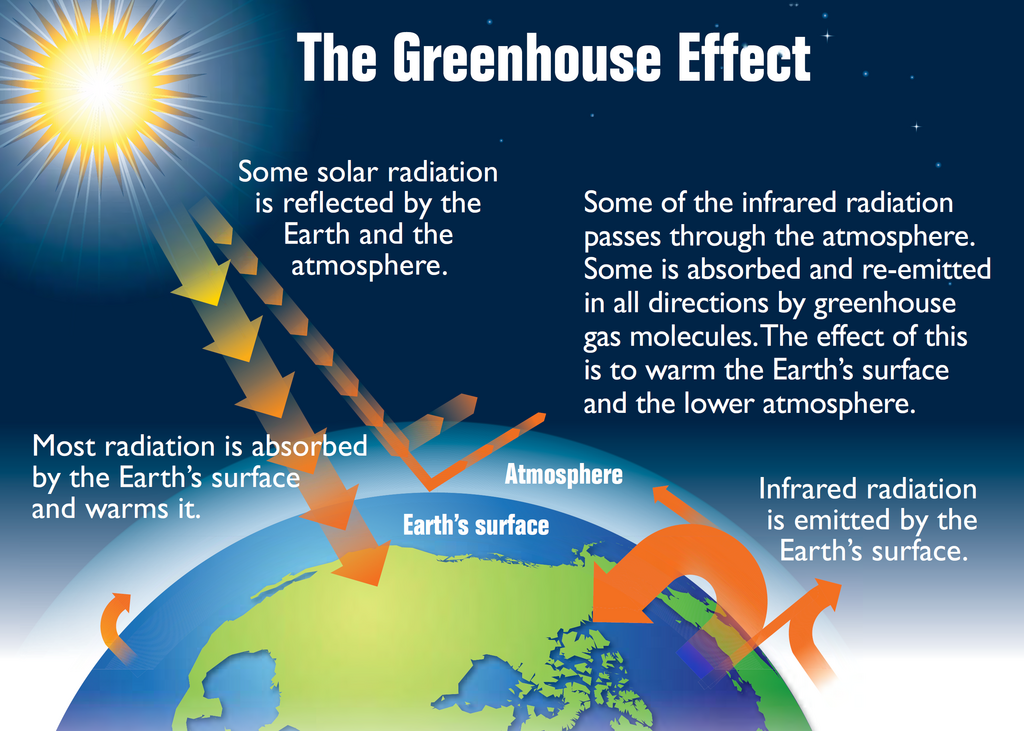
This radiation is made up of tiny packets of energy called photons. Photons have no mass and travel at the speed of light. They are the fundamental particles that carry all electromagnetic force, from radio waves to gamma rays. When these photons strike a surface, they transfer their energy to it. This is the basic principle behind all solar energy technologies.
Measuring Sunlight
Not all sunlight is created equal. The amount of solar energy that reaches a specific area at a given time can vary greatly depending on factors like location, time of day, and weather. To measure this, scientists use a concept called solar irradiance.
Irradiance
noun
The amount of solar power that hits a specific area, typically measured in watts per square meter.
Think of it like the flow of water from a sprinkler. The closer you are to the sprinkler head, the more water hits you. Similarly, the more directly the sun shines on a surface, the higher the solar irradiance. On a clear day at noon, the Earth's surface receives about 1,000 watts of solar power per square meter.
Solar irradiance is a measure of the intensity of sunlight.
Sunlight is also a mix of different types of light, each with its own wavelength and energy level. This range of light is called the solar spectrum. While our eyes can only see a small portion of it, known as visible light, the spectrum also includes ultraviolet (UV) and infrared (IR) light.
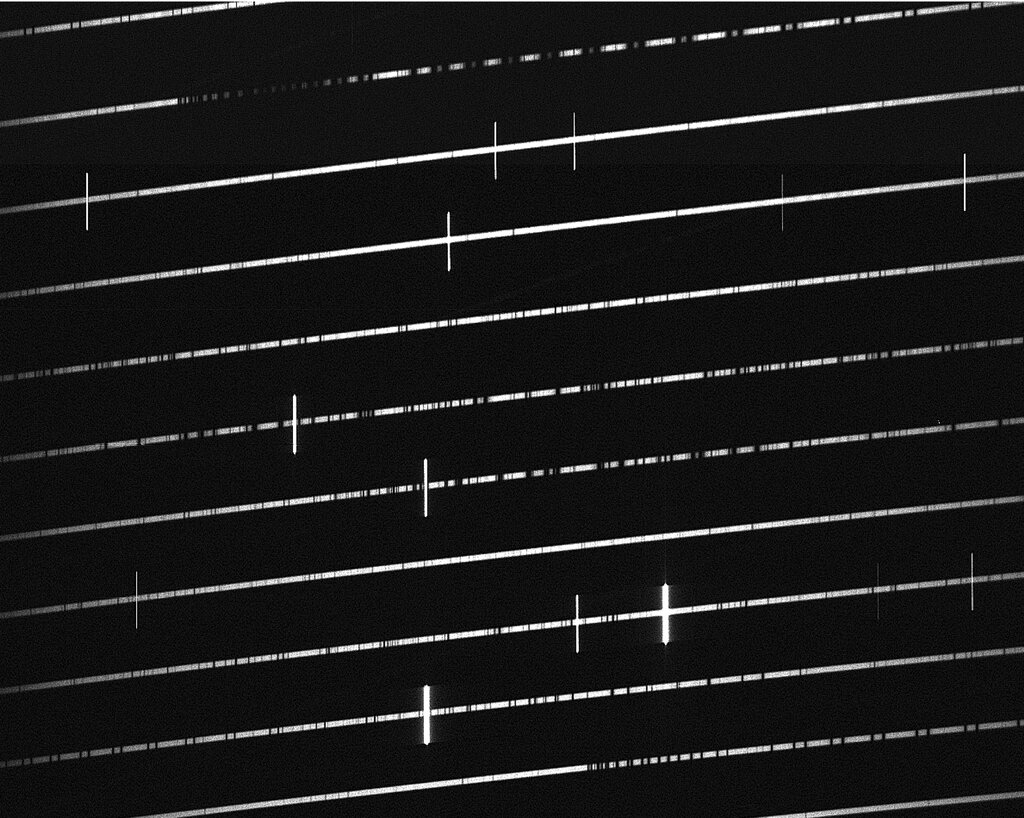
Each part of the spectrum carries energy. UV light has shorter wavelengths and higher energy, which is why it can cause sunburn. Infrared light has longer wavelengths and is felt as heat. Solar technologies are designed to capture energy from different parts of this spectrum.
Earth's Energy Potential
The amount of solar energy that strikes the Earth is staggering. In just one hour, our planet receives more energy from the sun than the entire world consumes in a year. This makes solar power an incredibly abundant renewable resource.
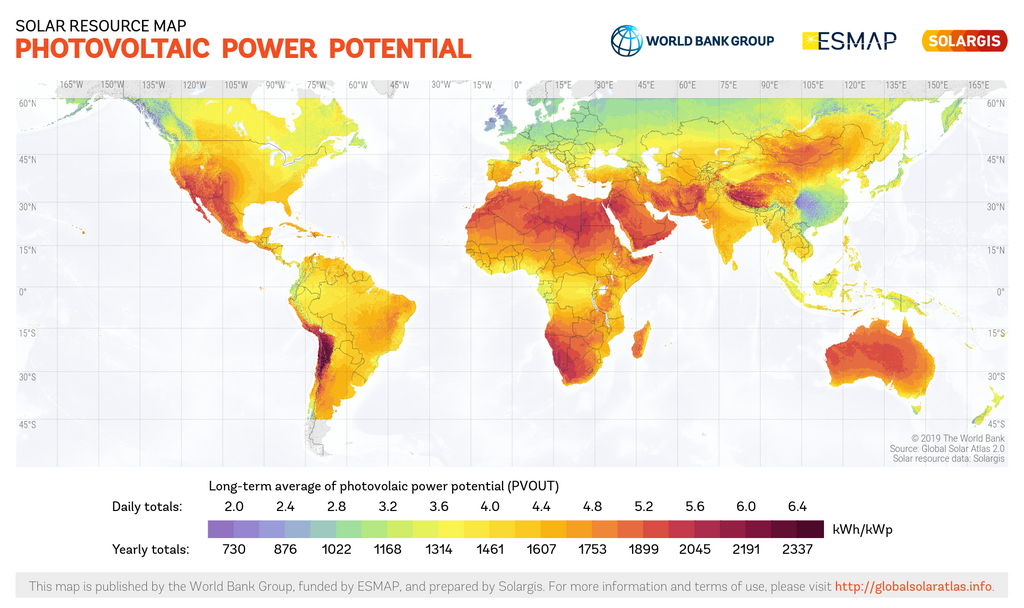
Of course, this energy isn't distributed evenly. Areas near the equator receive the most direct and intense sunlight throughout the year, giving them the highest solar energy potential. Cloud cover and seasonal changes also play a big role. However, even regions with less intense sun can effectively harness solar power with the right technology.
The Earth receives enough solar energy every hour to power the globe for an entire year.
Understanding these fundamentals—how solar energy travels, how we measure its intensity, and how much is available—is the first step in appreciating its potential to power our world cleanly and sustainably. Now, let's review what you've learned.
What is the primary nuclear process that powers the sun?
The fundamental particles that carry solar energy across space are called ______.
Tapping into the sun's power is key to building a sustainable future.