Solar Panel Essentials
Introduction to Solar Energy
The Power of the Sun
At its core, solar energy is simply the light and heat that comes from the Sun. For billions of years, this energy has powered life on Earth, driving weather systems and allowing plants to grow. Today, we have clever ways to capture this energy and turn it directly into electricity, providing a clean power source for our homes and industries.
By the end of the unit students know that the sun is the major source of energy for earth systems.
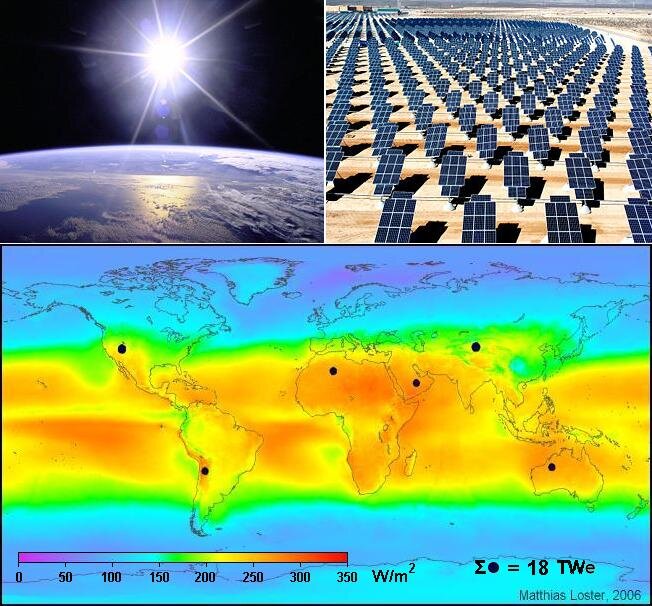
Solar energy is the most abundant energy resource on the planet. It's a key player in the shift towards renewable energy, which means sources that won't run out, unlike fossil fuels like coal and oil. Harnessing this power is crucial for creating a more sustainable future.
Understanding Solar Radiation
The energy we get from the Sun travels to Earth in the form of solar radiation. Think of it as waves of energy, including visible light, ultraviolet (UV) light, and infrared radiation (which we feel as heat). This radiation is made up of tiny packets of energy called photons.
Photon
noun
A tiny particle that carries a quantum of electromagnetic radiation, such as light. It has no mass and travels at the speed of light.
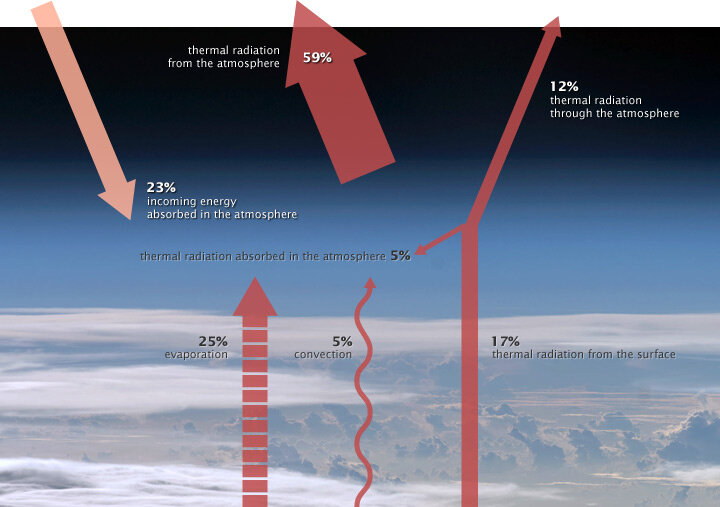
When solar radiation reaches our planet, some of it is reflected by the atmosphere, clouds, and the Earth's surface. The rest is absorbed, warming the land, air, and oceans. This constant flow of energy is what makes solar power possible. The amount of solar radiation an area receives depends on factors like the time of day, season, and geographic location.
Benefits for a Sustainable Future
Using solar energy has significant advantages for our planet and society. As a renewable resource, the Sun provides a virtually limitless supply of power. Unlike fossil fuels, generating electricity from solar energy produces no greenhouse gas emissions, which helps combat climate change and reduces air pollution.
Key Benefits:
- Renewable: The sun is a constant source of energy that won't run out.
- Eco-Friendly: It produces no harmful emissions, leading to cleaner air and water.
- Energy Independence: It reduces reliance on imported fuels, enhancing energy security for countries.
- Economic Growth: The solar industry creates jobs in manufacturing, installation, and maintenance.
By shifting to solar and other renewables, we can build a more sustainable energy system. This means meeting our current energy needs without compromising the ability of future generations to meet theirs. This foundation in solar energy is the first step toward understanding the technology that makes it all happen.