Solar Ground Mount Project Mastery
Site Assessment
Finding the Perfect Spot
Before a single solar panel is installed, a crucial process unfolds: site assessment. It's a detailed investigation to find land that is not just sunny, but also structurally sound, accessible, and environmentally responsible. Think of it as a feasibility study for the ground itself.
This process is a balancing act. The goal is to find a location that maximizes potential energy generation while minimizing construction costs and environmental disruption. A thorough site assessment prevents costly surprises down the road, ensuring the project is viable from the ground up.
Selecting an appropriate site is a critical first step in sustainable building design.
Chasing the Sun
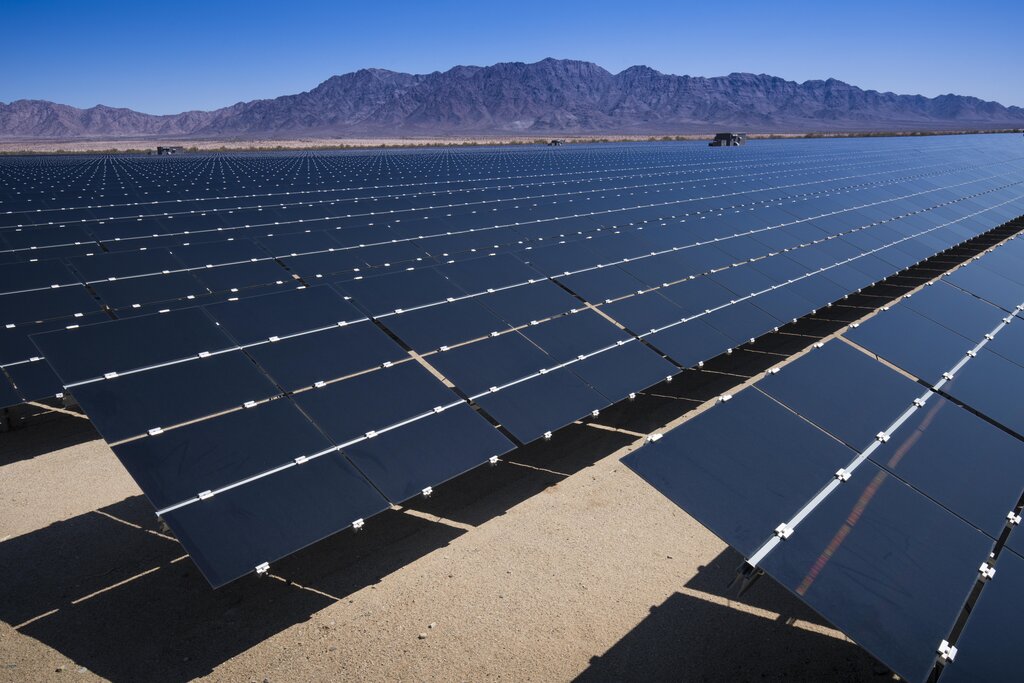
The most fundamental requirement for a solar farm is, unsurprisingly, sunlight. A sunlight exposure analysis, or solar resource assessment, quantifies exactly how much solar energy a potential site receives. This is measured as solar irradiance, typically in kilowatt-hours per square meter per day (kWh/m²/day).
Analysts use historical weather data, often spanning decades, to model the expected sunlight at a specific location. But it's not just about broad averages. The assessment must also account for shading. A single row of trees or a nearby hill can cast long shadows, especially during winter months when the sun is lower in the sky. These shadows can drastically reduce a panel's output. Detailed 3D models of the site and its surroundings are created to simulate the sun's path throughout the year, identifying any potential obstructions.
The Lay of the Land
Once a site has enough sun, the next step is to examine the ground itself. A topographical survey maps the site's physical features, particularly its slope (steepness) and aspect (the direction the slope faces). In the northern hemisphere, a gentle, south-facing slope is ideal because it positions the panels directly toward the sun for most of the day.
Steep or uneven terrain can significantly increase construction costs. It requires more extensive earthwork to create level foundations for the panel racking systems, and it can make access difficult for construction vehicles.
Below the surface, soil conditions are just as important. A geotechnical survey involves drilling borings and taking soil samples to understand the ground's composition. Engineers test for several key properties:
- Load-Bearing Capacity: Can the soil support the weight of the panels and their concrete foundations without shifting or settling?
- Corrosivity: Will chemicals in the soil corrode the steel posts of the racking system over time?
- Depth to Bedrock: Is there solid rock close to the surface? While providing a stable base, shallow bedrock can make it extremely expensive to drive posts or pour foundations.
Finally, a drainage assessment analyzes how water flows across the site during heavy rain. Poor drainage can lead to erosion around the panel foundations, potentially compromising their stability. Engineers look for natural waterways, floodplains, and areas where water might pool. The site plan may need to include drainage channels or culverts to manage stormwater effectively.
Plugging In
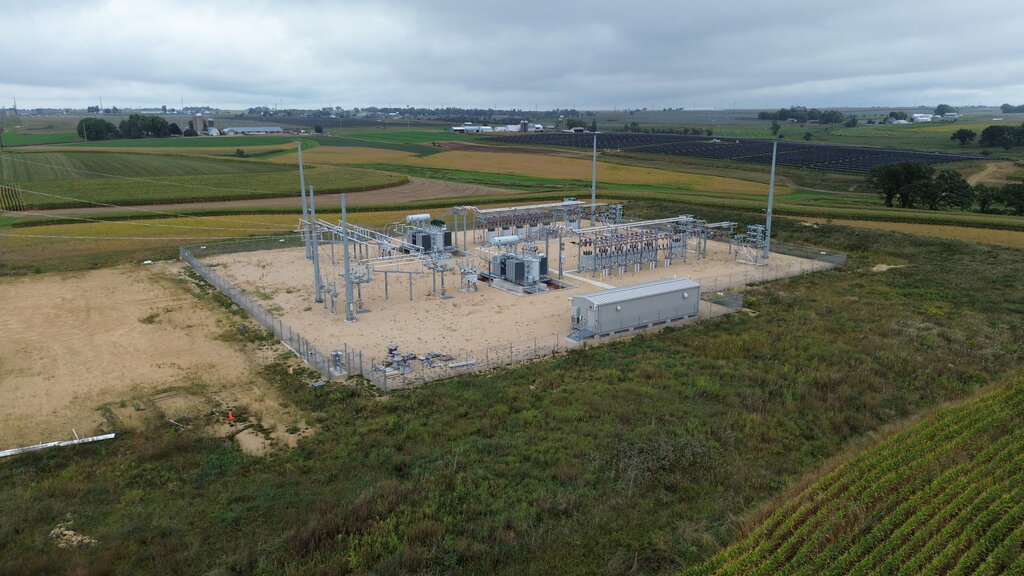
A solar farm isn't useful if its energy can't get to the people who need it. Proximity to transmission infrastructure is a major logistical and financial factor. The site must be close enough to high-voltage transmission lines to connect to the electrical grid.
The further the site is from a suitable connection point, the more expensive the project becomes. Building new transmission lines and a substation to step up the voltage can cost millions of dollars, potentially making an otherwise perfect site economically unviable. During the assessment, engineers identify the nearest substations and power lines and evaluate their capacity. They need to ensure the existing grid can handle the new influx of electricity from the solar farm without being overloaded.
The final piece of the puzzle is the Environmental Impact Assessment (EIA). This comprehensive study evaluates the project's potential effects on the local ecosystem and community. Biologists survey the site for sensitive habitats, endangered species, and important wetlands. They look for animal migration corridors that could be disrupted by fencing or construction.
Archaeologists may also survey the area for sites of historical or cultural significance. The goal is to ensure the project complies with all local, state, and federal environmental regulations. The findings of the EIA can influence the final layout of the solar farm, with panel arrays being shifted to avoid sensitive areas, or even halt a project entirely if the impact is deemed too great.
Ready to test your knowledge? This quiz covers the critical factors involved in evaluating a potential solar installation site.
What is the primary metric used in a solar resource assessment to quantify the amount of sunlight a site receives?
A potential solar farm site in the Northern Hemisphere has a gentle, south-facing slope. Why is this considered ideal?
A successful site assessment lays the groundwork for a productive and sustainable solar project, balancing energy needs with environmental stewardship.