Soil Amendments and Chili Pepper Yield
Introduction to Soil Amendments
What Are Soil Amendments?
Think of soil as the foundation for a house. If the foundation is weak, the house won't be strong. The same goes for plants. Soil amendments are materials you add to the ground to build a better foundation for whatever you're growing.
Their job is to improve the soil's physical properties, like its ability to hold water or drain properly, and to boost its fertility by adding essential nutrients. It’s not just about feeding the plant directly, but about creating a healthy environment where the plant can thrive.
Soil preparation is a critical step in gardening and farming that significantly influences plant health, growth, and yield.
By adding the right materials, you can turn poor, unproductive soil into a rich, fertile home for your plants. This sets the stage for stronger roots, healthier growth, and better harvests.
Organic vs. Inorganic
Amendments generally fall into two categories: organic and inorganic. Both have their place, and they often work best together.
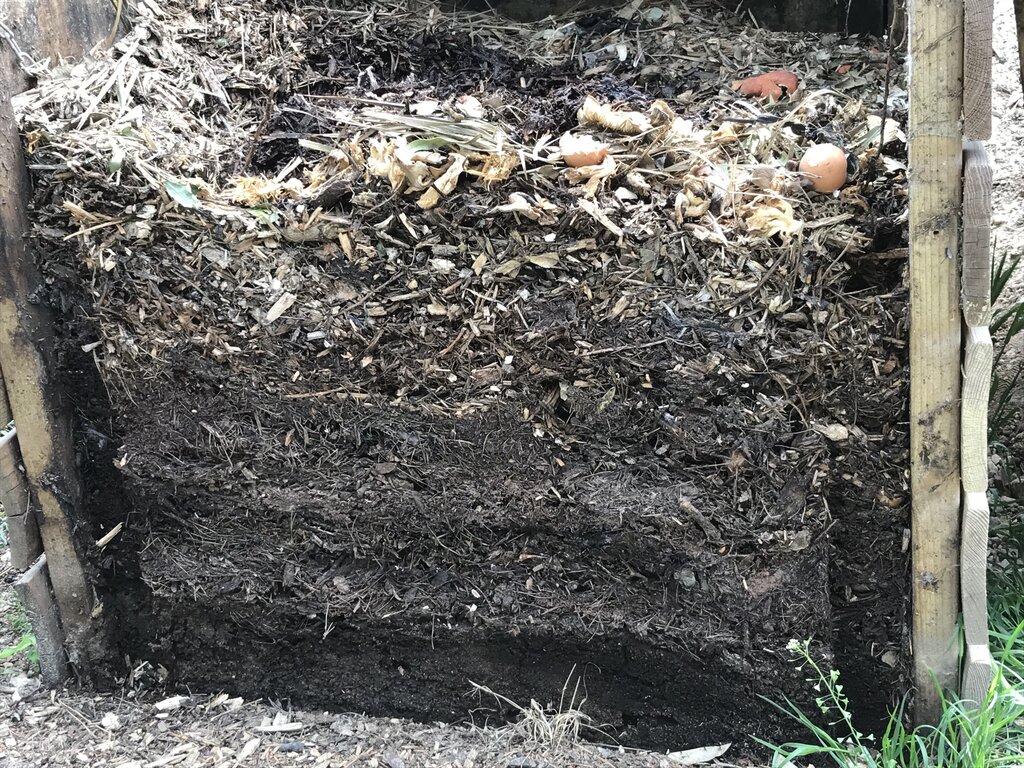
Organic amendments come from things that were once alive. Think compost, aged manure, peat moss, or wood chips. These materials are fantastic for improving soil structure. They help bind sandy soil particles together so they can hold more water, and they break up heavy clay soils to improve drainage and aeration.
Organic matter is also food for the vast community of microorganisms living in the soil. As these microbes break down the material, they release nutrients slowly and steadily, providing a long-term food source for plants.
Inorganic amendments are either mined or man-made. This category includes things like fertilizers, which provide concentrated, fast-acting nutrients like nitrogen (N), phosphorus (P), and potassium (K). It also includes materials that change the soil's physical properties, like perlite or vermiculite, which lighten soil and improve aeration.
Biochar, a type of charcoal made for soil, is another interesting inorganic amendment. It has a porous structure that helps it hold onto water and nutrients, making them available to plants when needed.
Key Benefits
Adding amendments does more than just provide a snack for your plants. It fundamentally changes the soil for the better in several ways.
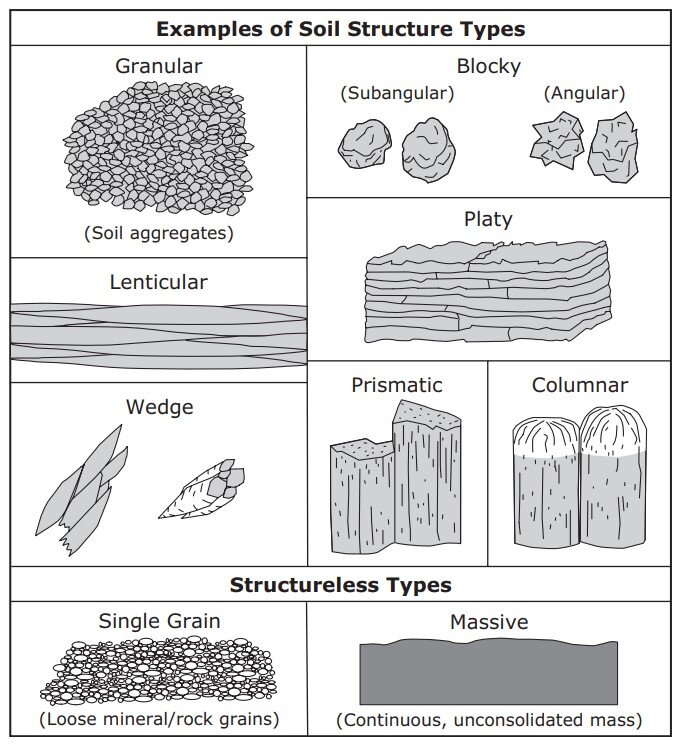
First, it improves soil structure. Good structure means there are plenty of pore spaces for air and water to move through. This is crucial for root growth, as roots need oxygen to survive. It also prevents waterlogging in heavy rains and helps the soil retain moisture during dry spells.
Second, it enhances nutrient availability. Some amendments, like fertilizers, add nutrients directly. Others, like compost, improve the soil's ability to hold onto nutrients that are already there, preventing them from being washed away by rain. Certain amendments can also adjust the soil's pH, which affects how easily plants can absorb nutrients.

Finally, amendments support microbial life. A healthy soil is teeming with bacteria, fungi, and other organisms that form a complex ecosystem known as the soil food web. Organic amendments provide the food that fuels this web. These microbes help break down organic matter into usable nutrients for plants and can even help protect plants from diseases.
Choosing the Right Amendment
There is no single best amendment. The right choice depends on your starting point and your goals.
Start by understanding your soil. Is it sandy and drains too quickly? Or is it heavy clay that stays wet and compacted? A simple soil test can give you valuable information about your soil's texture, pH, and nutrient levels.
Next, consider the needs of the plants you want to grow. Some plants prefer acidic soil, while others like it more alkaline. Some are heavy feeders that require lots of nutrients, while others are less demanding.
For example:
- To loosen heavy clay soil: Add bulky organic matter like compost or biochar.
- To improve water retention in sandy soil: Add compost or peat moss.
- To give plants a quick boost of nutrients: Use a balanced inorganic fertilizer.
- To build long-term soil health: Consistently add compost and other organic matter.
Managing soil fertility begins with soil testing.
By matching the amendment to your soil and crop needs, you create an ideal growing environment. This simple step can make a huge difference in the health and productivity of your garden or farm.
Ready to check your understanding?
What is the primary goal of adding amendments to soil?
Compost, aged manure, and peat moss are all examples of what type of soil amendment?
Building great soil is the first step toward a successful harvest. By understanding and using amendments, you're not just feeding your plants—you're investing in the long-term health of your soil.