Software Testing Fundamentals
Introduction to Software Testing
What is Software Testing?
Think about building a new car. The engineers don't just assemble all the parts, roll it off the line, and hope for the best. They test everything. They check the engine, the brakes, the airbags, and the turn signals. They make sure every component works as designed, both on its own and with all the other parts.
Software testing is the same idea, but for code. It's the process of examining a program to see if it does what it's supposed to do. The main goal is to find defects, also known as bugs or errors, before the software gets into the hands of users.
The objectives of testing are simple: find problems, make sure the software meets all its requirements, and build confidence that it’s ready for the real world.
When software works correctly, it feels invisible. But when it fails, it can be anything from a minor annoyance to a major problem. Testing is the quality control process that helps prevent those failures.
Why Test Early and Often?
Testing isn't just a final step you do right before release. It's a crucial part of the entire software development lifecycle. Imagine writing a book. It’s much easier to fix a typo on page 5 while you’re still writing the first chapter than it is to fix it after 10,000 copies have already been printed.
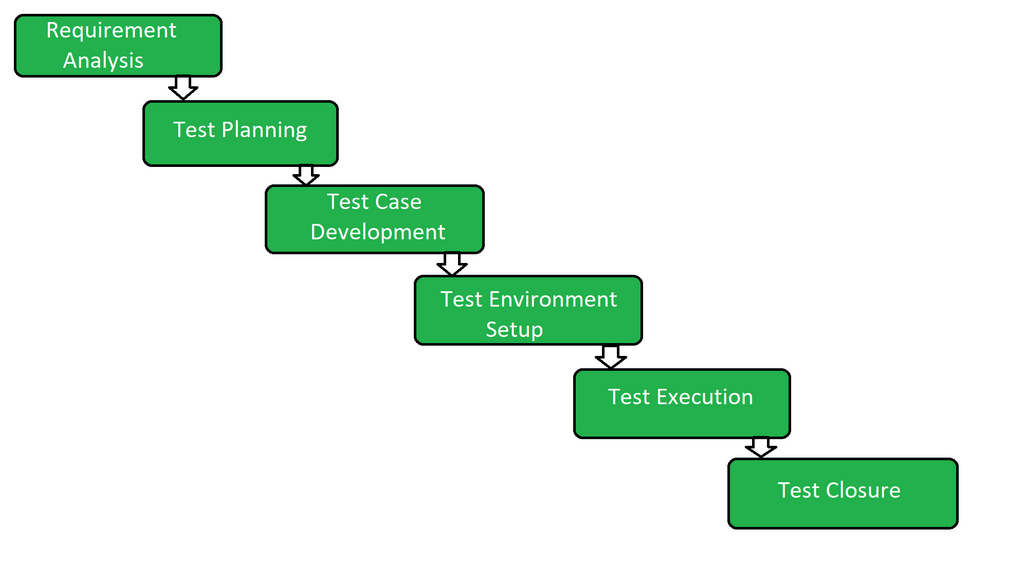
The same principle applies to software. A bug found early in the design or coding phase is relatively simple and cheap to fix. A bug discovered after the product has launched is much more difficult and expensive. It might require tracking down the problem in a complex system, writing a patch, and deploying an update to all users. Finding and fixing issues early saves time, money, and protects a company's reputation.
Early error detection is fundamental to effective software testing.
Verification vs. Validation
To understand testing more deeply, it helps to know the difference between two key concepts: verification and validation. They sound similar, but they answer two very different questions about the software.
Verification
noun
The process of checking that the software is built correctly according to its design and specifications. It answers the question: "Are we building the product right?"
Verification is like checking the blueprints for a house. Does the foundation match the plans? Are the electrical outlets in the right places? This process is often internal and involves reviews, walkthroughs, and inspections of the code and design documents. It's about confirming that you followed the recipe correctly.
Validation
noun
The process of checking that the software meets the customer's actual needs and expectations. It answers the question: "Are we building the right product?"
Validation is about the final result. It's like the homeowner walking through the finished house to make sure it's the home they wanted. Does it feel right? Does it serve their needs? Validation involves actually running the software to see if it solves the user’s problem effectively. It confirms you made the right dish for the customer.
| Aspect | Verification | Validation |
|---|---|---|
| Question | Are we building the product right? | Are we building the right product? |
| Focus | Process and standards | Customer needs and requirements |
| Activities | Reviews, inspections, walkthroughs | Functional and user testing |
| Timing | Often happens before validation | Often happens after verification |
Both are essential for quality assurance. Verification ensures your software is well-engineered, while validation ensures it's actually useful.
What is the primary goal of software testing?
The process of checking if the software meets the user's actual needs and solves their problem is called ______.