Software Testing Fundamentals
Introduction to Software Testing
What is Software Testing?
Software testing is the process of checking an application to find out if it does what it's supposed to do. Think of it like a quality check for code. Before a new car model is released, it goes through crash tests, road tests, and inspections. Software goes through a similar process to make sure it's reliable, functional, and ready for people to use.
The main goal isn't just to find bugs, though that's a big part of it. The objectives are broader:
- Find Defects: Uncover errors, or 'bugs,' where the software behaves in unexpected ways.
- Verify Requirements: Confirm that the software meets all the technical specifications and business requirements it was designed for.
- Build Confidence: Provide stakeholders—from developers to business owners—with confidence that the product works as intended and is ready for launch.
The core purpose of software testing is to identify defects and ensure that the software meets the specified requirements.
Ultimately, testing helps deliver a quality product that gives users a smooth, frustration-free experience.
Finding Bugs Early
It might seem like testing is something you do at the very end, right before the software is released. But one of the most important principles in software development is to find and fix defects as early as possible. The longer a bug stays in the system, the more trouble it can cause.
Imagine building a house. Finding a mistake in the architectural blueprint is easy and cheap to fix. You just need an eraser and a pencil. But if you only discover that same mistake after the foundation is poured and the walls are up, fixing it becomes a massive, expensive project involving demolition and rebuilding.
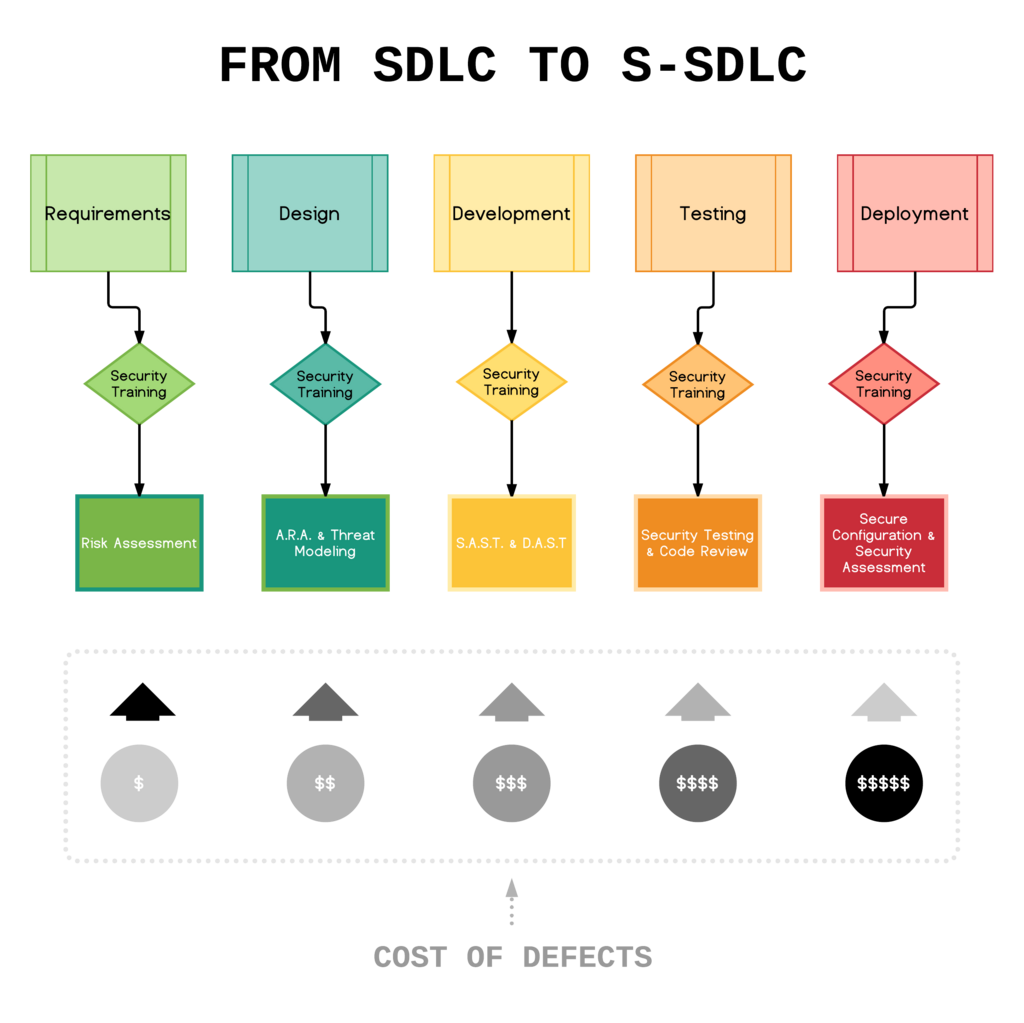
Software defects work the same way. A bug caught during the initial planning phase might take an hour to fix. The same bug, if found after the product has been released to thousands of users, could take weeks and cost a fortune to resolve, not to mention the damage to the company's reputation.
Early testing saves time, money, and headaches.
Verification vs. Validation
In the world of testing, you'll often hear the terms 'verification' and 'validation.' They sound similar but refer to two distinct and equally important checks. They answer two different questions.
Verification
noun
The process of evaluating software to determine whether it meets the specified requirements and design specifications.
Verification asks: "Are we building the product right?" It's an internal check to ensure the software is being built according to the design documents, standards, and blueprints. This involves activities like code reviews and inspections, where you check the work without actually running the program.
Validation
noun
The process of evaluating software during or at the end of the development process to determine whether it satisfies the customer's needs and expectations.
Validation asks: "Are we building the right product?" This check determines if the software actually meets the user's real-world needs. It involves running the software to see how it performs. Does it solve the problem it was intended to solve? Is it user-friendly?
Here's a simple way to remember it: Verification is about checking the recipe and your ingredients. Validation is about tasting the final dish to see if it's delicious.
| Question Answered | Type of Check | Activities |
|---|---|---|
| Verification | Are we building the product right? | Static (doesn't run code) |
| Validation | Are we building the right product? | Dynamic (runs code) |
Testing's Role in Quality Assurance
Software testing is a core component of a larger discipline known as Software Quality Assurance (SQA). While people often use the terms 'testing' and 'QA' interchangeably, they aren't the same thing.
Quality Assurance is a proactive, process-oriented approach focused on preventing defects. It involves setting up standards, processes, and guidelines for the entire software development lifecycle to ensure quality is built in from the start. Think of it as creating the perfect kitchen environment with clean tools, fresh ingredients, and a great recipe to ensure a good meal.
Software Testing, on the other hand, is a reactive, product-oriented activity focused on finding defects. It's the act of checking the finished product to see if it has any flaws. In our kitchen analogy, this is the final taste test before the dish is served.
So, while testing is about defect detection, quality assurance is about defect prevention. A good SQA strategy includes robust testing, but it also includes much more. The two work together to ensure the final product is not only bug-free but also well-made and fit for its purpose.
What is the primary purpose of software testing?
According to the principle of early testing, when is it most cost-effective to find and fix a defect?
Testing is a fundamental pillar of software development that ensures applications are reliable, meet user needs, and are free of critical defects. By understanding its core concepts, you can appreciate why it's such a vital step in creating great software.