Software Testing Categories
Introduction to Software Testing
Why We Test Software
Software testing is the process of evaluating a software application to find out if it meets the specified requirements and to identify any defects. The goal is to ensure the product is reliable, performs well, and provides a good user experience.
Think of it like building a house. You wouldn't just assemble all the materials and hope for the best. You'd check the foundation, inspect the framing, test the plumbing, and make sure the electrical wiring is safe. Each check is a form of testing. In software, we do the same thing: we verify each component and the system as a whole to build a high-quality product that people can depend on.
The core purpose of software testing is to identify defects and ensure that the software meets the specified requirements.
Ultimately, testing isn't just about finding bugs. It's about building confidence. Good testing confirms that the software works as expected, helping businesses protect their reputation and users accomplish their goals without frustration.
Testing in the Development Lifecycle
Software isn't built all at once. It follows a structured process known as the Software Development Lifecycle (SDLC). This lifecycle breaks down the complex process of creating software into smaller, manageable stages. While there are many models for the SDLC, a simple version includes planning, designing, building, testing, and deploying.
As you can see, testing is a distinct phase. However, it's not something that only happens at the end. Modern development practices integrate testing throughout the entire lifecycle. Developers test their own code as they write it, and testing activities happen in parallel with the building phase. This approach, often called "continuous testing," helps catch issues early when they are easier and cheaper to fix.
Levels of Testing
Testing isn't a single activity; it happens at different levels of detail, from the smallest piece of code to the entire application. We can visualize these levels as a pyramid.
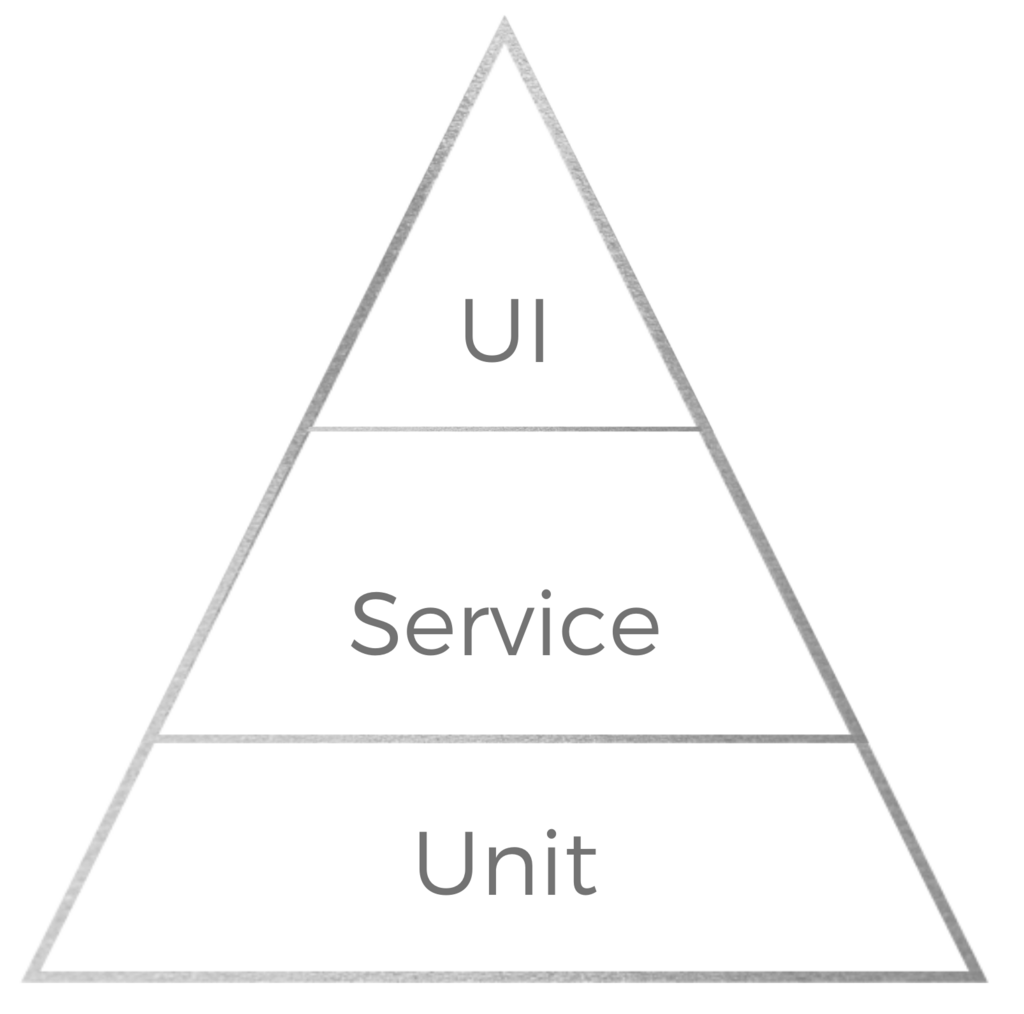
Unit Testing At the base of the pyramid are unit tests. A "unit" is the smallest testable part of an application, like a single function or method. These tests are written by developers to verify that a specific piece of code works correctly in isolation. Since they are small and focused, thousands of them can be run very quickly.
Integration Testing Once individual units are verified, the next step is to see how they work together. Integration testing checks the interactions between different components or services. For example, does the user login module correctly communicate with the database? This level ensures that the combined parts play nicely with each other.
System Testing This level evaluates the complete, integrated software product as a whole. System testing verifies that the entire application meets the specified requirements from end to end. It's like taking a fully assembled car for a test drive to make sure everything—engine, brakes, steering, and electronics—works together as a complete system.
Acceptance Testing At the very top is acceptance testing. This final phase determines if the software is ready for release. It's often performed by the client or end-users to confirm that the system meets their business needs and expectations. If the software passes this stage, it's accepted and ready for deployment.
Categories of Testing
Beyond the different levels, testing activities can be grouped into a few broad categories based on what they are trying to verify.
| Category | Question it Answers | Example |
|---|---|---|
| Functional Testing | Does the software do what it's supposed to do? | Verifying that clicking the 'Save' button correctly saves the user's data. |
| Non-Functional Testing | How well does the software perform its functions? | Checking how quickly the application loads or if it's secure from common attacks. |
| Maintenance Testing | Does the software still work correctly after changes? | Running tests to ensure a bug fix didn't accidentally break another feature (regression testing). |
These categories help organize the testing effort, ensuring that the software is not only functional but also fast, secure, and stable over time.
Ready to check your understanding?
What is the primary purpose of software testing?
In modern software development, testing is most effective when it is performed only during the final 'testing phase' just before the software is deployed.
Understanding these fundamentals—the what, why, when, and how of testing—is the first step toward building better, more reliable software.