Software Testing and Quality Assurance
Test Strategy Planning
From Test Cases to a Test Strategy
Writing individual test cases is one thing; knowing which tests to write is another. A test strategy is a high-level plan that guides your entire testing effort. It's about making smart decisions to maximize quality within the constraints of time and budget. You can't test everything, so you have to be strategic.
The first step is understanding that testing happens at different levels. Each level targets a different part of the software and has its own purpose, cost, and speed.
The Testing Pyramid
A popular model for visualizing a balanced test strategy is the Testing Pyramid. It was popularized by Mike Cohn and serves as a framework for allocating your testing efforts effectively. The pyramid is built on a simple principle: write lots of fast, simple tests and progressively fewer slow, complex ones.
Let's break down the layers:
- Unit Tests (Base): These form the foundation. They check individual components or functions in isolation. They're fast to run, easy to write, and give precise feedback. You should have a lot of them.
- Integration Tests (Middle): This layer tests how different parts of your system work together. Do your database and your application logic communicate correctly? Integration tests answer these questions. They are slower and more complex than unit tests, so you'll have fewer of them.
- End-to-End (E2E) Tests (Top): Also called UI tests, these simulate a real user's journey through the application. They are powerful but also slow, expensive to maintain, and can be brittle. You should have only a handful, covering the most critical user workflows.
The pyramid shape isn't an accident. Relying too heavily on slow E2E tests creates an
ice cream cone
anti-pattern, which is unstable and difficult to maintain.
Choosing Your Battles
The pyramid is a guide, not a strict rule. The right strategy depends on your specific context. To decide where to focus your efforts, you should adopt a risk-based testing approach. This means prioritizing tests based on two key questions:
- What is the probability of this feature failing?
- What is the impact of that failure?
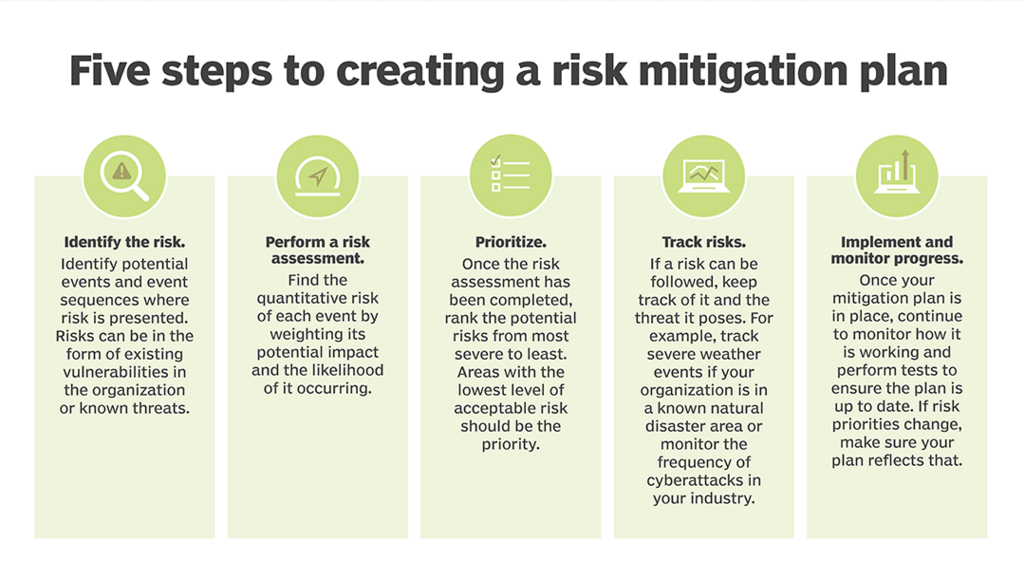
High-risk areas—features that are complex, business-critical, or have a history of bugs—demand more thorough testing across all levels. For an e-commerce site, the payment processing workflow is a . A bug here could mean lost revenue and angry customers. This workflow should be covered by E2E, integration, and unit tests.
In contrast, a feature like changing a user's profile avatar is lower risk. While a bug would be an annoyance, it doesn't stop the business from operating. This area might be adequately covered by a few unit tests and perhaps one integration test, with no need for a dedicated E2E test.
Ultimately, your test strategy must be context-driven. A team building a simple blog has very different risks than a team building software for a medical device. Always adapt your strategy to the product, technology, team, and business goals.
Now, let's test your understanding of these strategic concepts.
What is the primary purpose of a test strategy?
According to the Testing Pyramid model, which type of test should form the largest part of your test suite?
A well-thought-out test strategy is a living document. It should evolve as your project grows and changes. By balancing your testing efforts and focusing on risk, you can build higher-quality software more efficiently.