Software Stacks and APIs Explained
Introduction to Software Stacks
What is a Software Stack?
When you use an application on your phone or computer, you're interacting with the final result of many technologies working together. These technologies are arranged in layers, much like a stack of pancakes. Each layer has a specific job and relies on the layer below it to function. This collection of software components is called a software stack.
Think of it as a complete toolkit for building and running a program. Instead of creating every single piece from scratch—from managing hardware to displaying text on a screen—developers can pick a pre-selected stack of tools. This lets them focus on building the unique features of their application.
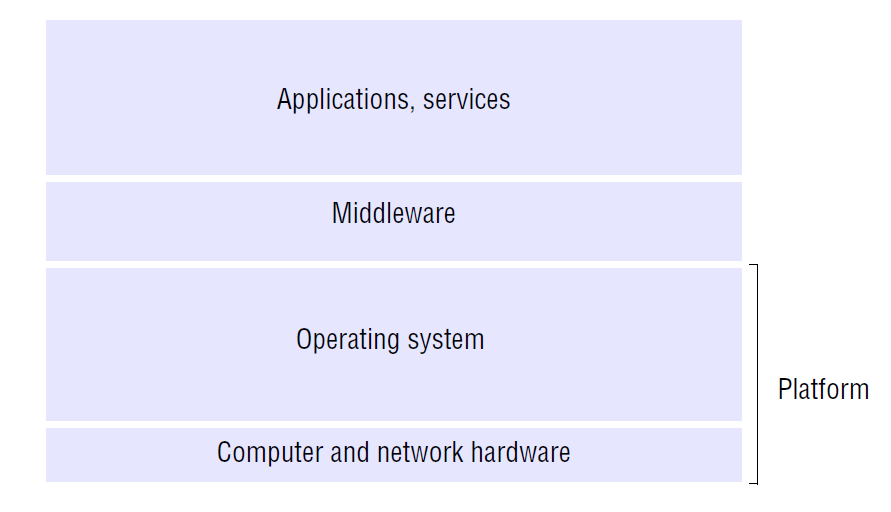
Different applications have different needs, so there are many kinds of software stacks. Some are designed for building websites, others for running large corporate databases, and still others for mobile apps. The key idea is that a stack provides all the necessary components for an application to run smoothly.
The Common Layers
While stacks can vary, they usually share a similar structure. We can think of them as having a few key layers, starting from the hardware and moving up to the user.
Each layer provides services to the one above it, abstracting away the complexity of the layers below.
Let's look at these layers from the bottom up:
- Operating System (OS): The foundation of the stack. The OS manages the computer's hardware resources and provides basic services for all other software. Examples include Linux, Windows, and macOS.
- Database: This is where the application stores, organizes, and retrieves its data. Think of it as the application's long-term memory. Common databases include MySQL and PostgreSQL.
- Web Server: This software handles requests from users over the internet. When you type a web address into your browser, a web server receives that request and sends back the correct webpage. Apache and Nginx are popular examples.
- Backend Framework: This is the engine of the application, where the core logic lives. It runs on the server and handles tasks like processing data, interacting with the database, and managing user accounts. Languages like PHP, Python, and Ruby are often used here.
- Frontend: This is the part of the application that users see and interact with in their web browser. It's built using technologies like HTML, CSS, and JavaScript to create a visual and interactive experience.
An Example Stack
One of the most well-known software stacks for web development is the LAMP stack. It's an acronym that stands for its four open-source components.
| Acronym | Component | Role in Stack |
|---|---|---|
| L | Linux | Operating System |
| A | Apache | Web Server |
| M | MySQL | Database |
| P | PHP | Backend Language |
Together, these four technologies provide a complete platform for building and running dynamic websites. A user's request would travel down through this stack to the database and back up to be displayed on their screen.
Now that you understand the basic concept of a software stack and its layers, let's test your knowledge.
What is the primary purpose of a software stack?
In a typical web software stack, which layer is responsible for handling requests from a user's browser and sending back the correct webpage?
Understanding how these layers fit together is the first step toward understanding how modern software is built.