Software Engineering in the AI Era
AI in Software Engineering
AI Beyond the Hype
For software engineers, Artificial Intelligence isn't about creating sentient machines. It's about practical tools that augment our craft. Think of AI less as a replacement and more as a powerful collaborator integrated directly into the software development lifecycle (SDLC). It’s a fundamental shift, not just another framework to learn.
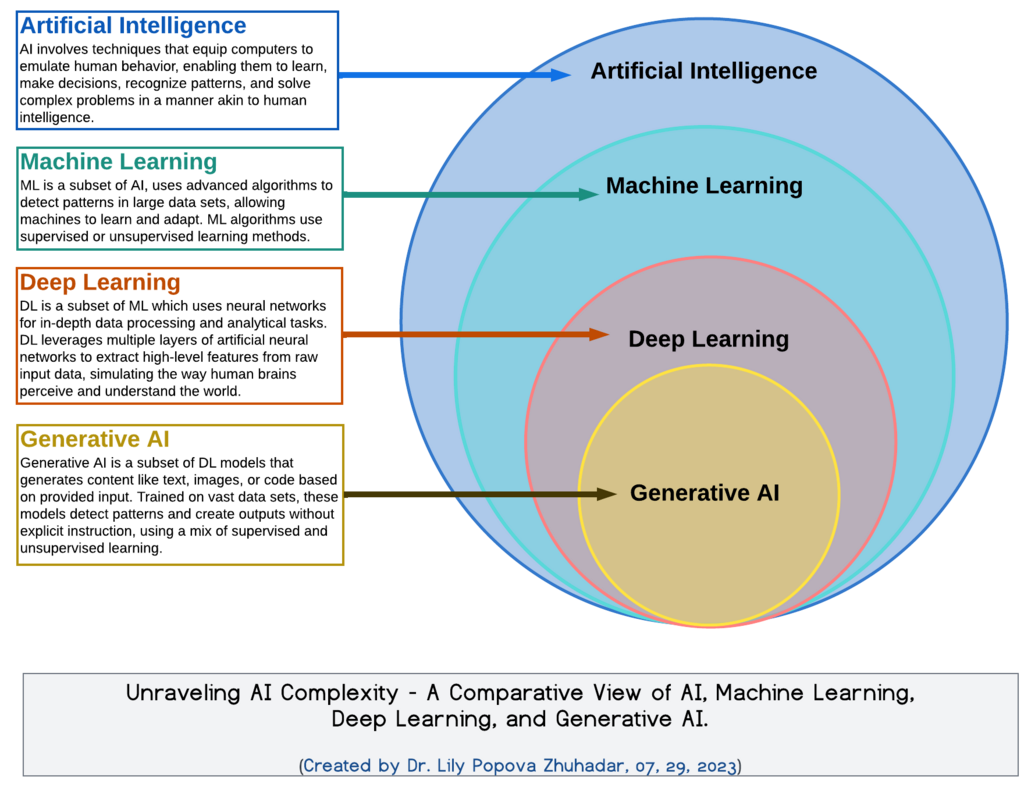
At its core, AI in software engineering is the application of machine learning models and other cognitive techniques to assist in the creation, maintenance, and operation of software. These systems learn from vast amounts of existing code, documentation, and operational data to automate tasks, generate code, identify potential issues, and even suggest design patterns. The goal isn't to make developers obsolete, but to make them more efficient and capable.
Why Now? The Perfect Storm
The recent explosion of AI in development tools isn't an accident. It's the result of three key factors converging. First, the sheer volume of public code on platforms like GitHub created a massive, high-quality dataset perfect for training models on the nuances of programming languages and logic. Without this data, AI would have nothing to learn from.
Second, the availability of powerful, relatively inexpensive computing power, primarily through GPUs, made it feasible to train the enormous models required. Finally, architectural breakthroughs, especially the development of Transformers, allowed models to understand context in code and natural language far better than ever before. This combination created the foundation for the sophisticated AI assistants we see today.
Your New AI-Powered Toolkit
The tangible benefits of AI touch every stage of the development process. Repetitive tasks that once consumed hours can now be handled in minutes, freeing up engineers to focus on complex problem-solving and architecture. This isn't just about speed; it's about enhancing quality and creativity.
Tools like are a prime example, offering intelligent code completion that goes far beyond simple autocomplete. They can generate entire functions from a comment, translate code between languages, and help you navigate unfamiliar libraries. This moves the developer's role from a pure writer of code to more of a reviewer and integrator of AI-suggested solutions.
| SDLC Phase | How AI Helps |
|---|---|
| Planning | Analyzes requirements to identify ambiguities or conflicts. |
| Coding | Generates boilerplate code, suggests implementations, and translates logic. |
| Testing | Creates unit tests, identifies edge cases, and helps debug errors. |
| Deployment | Automates CI/CD pipeline configurations and predicts deployment risks. |
| Maintenance | Pinpoints performance bottlenecks and analyzes logs for anomaly detection. |
Navigating the New Landscape
Integrating AI is not without its challenges. One of the biggest considerations is the risk of introducing subtle bugs. AI-generated code can look correct but contain logical flaws that are difficult to spot. This shifts the engineering skill set towards critical review and robust testing rather than just raw code creation.
The mantra becomes "trust, but verify." AI is a powerful tool, but the ultimate responsibility for the code's quality and security remains with the developer.
There are also concerns around intellectual property and data privacy. Using AI tools trained on public codebases raises questions about licensing and the potential for the model to regurgitate proprietary code. Furthermore, feeding your own codebase into a cloud-based AI service requires careful consideration of your organization's security policies. Understanding the of AI suggestions is becoming a critical new skill.
To get started, don't try to replace your entire workflow overnight. Begin by using AI tools for small, well-defined tasks. Use them to write unit tests for an existing function, generate documentation, or refactor a small piece of code. This builds familiarity and helps you understand the tool's strengths and weaknesses in a low-risk environment.
What is the primary role of AI in software engineering as described in the provided text?
Which of the following was NOT identified as a key factor for the recent explosion of AI in development tools?
Ultimately, AI is a tool that amplifies a developer's abilities. By understanding its capabilities and limitations, engineers can leverage it to build better software, faster.