Software Engineering Fundamentals
Software Engineering Fundamentals
More Than Just Code
Think about the difference between building a simple birdhouse and a skyscraper. For the birdhouse, you might just grab some wood and nails and start building. For the skyscraper, you need architects, blueprints, engineers, and a detailed plan. If you build it haphazardly, it could be a disaster.
Software is similar. Writing a small script for yourself is like building the birdhouse. Creating a complex application used by millions of people is like building the skyscraper. Software engineering is the disciplined, structured approach to designing, developing, and maintaining software. It’s the blueprint and the engineering principles that prevent digital skyscrapers from falling over.
It turns the chaotic art of programming into a predictable engineering discipline, ensuring that software is reliable, efficient, and easy to maintain.
The Software Development Life Cycle
To bring order to the process, software engineers follow a roadmap called the Software Development Life Cycle, or SDLC. It's a series of steps that guides a project from an initial idea to a finished product and beyond. While the details can vary, the core phases are generally the same.
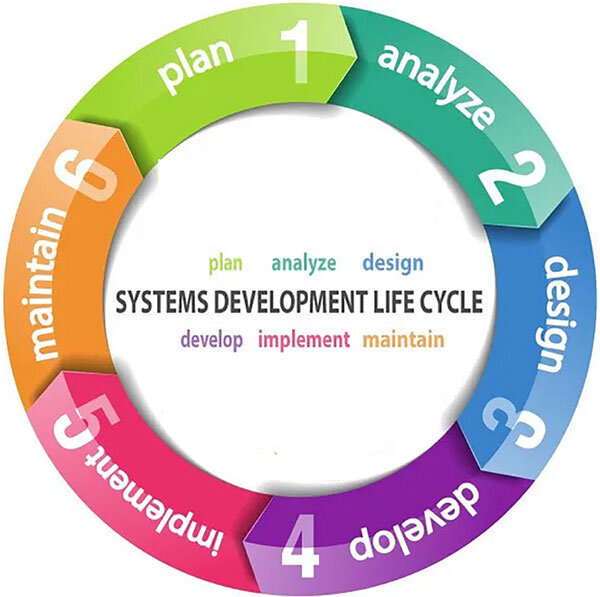
Here’s a breakdown of the typical stages:
- Requirement Analysis: This is the 'what' phase. Before writing a single line of code, the team works to understand the problem. They talk to clients, users, and stakeholders to define exactly what the software needs to do.
- Design: This is the 'how' phase. Architects and designers create the blueprint. They decide on the system's architecture, user interface, and technical specifications without writing the actual code.
- Implementation: This is where the coding happens. Developers take the design documents and write the code to bring the software to life.
- Testing: Once the software is built, it needs to be checked for bugs and errors. The quality assurance (QA) team runs a series of tests to ensure the software works as expected and meets the requirements.
- Deployment: After successful testing, the software is released to users. This could mean installing it on servers, publishing it to an app store, or making it available to customers.
- Maintenance: The job isn't over after launch. The team must fix bugs that appear, update the software to keep it secure, and add new features over time.
Choosing the Right Path
Not all projects follow the SDLC in the same way. Different methodologies, or models, exist to suit different types of projects. Let's look at three common ones.
The Waterfall Model
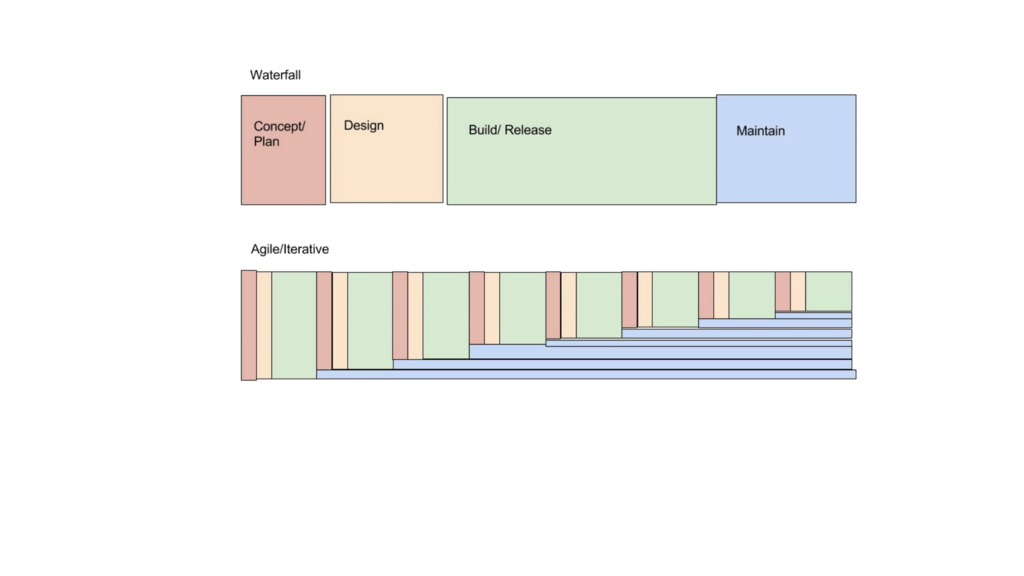
This is the traditional approach. Each phase of the SDLC is completed before the next one begins, flowing downwards like a waterfall. You finish all the requirements, then complete the entire design, then do all the coding, and so on.
- Best for: Projects where the requirements are very well understood and unlikely to change, like building a simple inventory management system.
- Drawback: It's inflexible. If you discover a problem with the requirements during the testing phase, it’s very difficult and expensive to go back and make changes.
The Agile Model
Agile is an iterative approach. Instead of building the entire product at once, the team works in short cycles, called sprints, to build small, functional pieces of the software. At the end of each cycle, they show the working piece to the client, get feedback, and plan the next cycle.
- Best for: Projects where requirements might change or are not fully known at the start. It allows for flexibility and continuous feedback.
- Drawback: With its constant changes, it can be harder to predict a final delivery date or total cost.
The Spiral Model
This model is a mix of the others, with a heavy emphasis on risk management. The project progresses in a series of spirals. Each spiral loop is a mini-project that includes requirement analysis, risk assessment, building a version (a prototype), and planning the next loop.
- Best for: Large, complex, and high-risk projects where it's crucial to identify and handle potential problems early on.
- Drawback: It can be complex to manage and may be overkill for smaller, low-risk projects.
| Model | Key Feature | Best For |
|---|---|---|
| Waterfall | Linear, sequential phases | Projects with fixed, clear requirements |
| Agile | Iterative cycles (sprints) | Projects with evolving requirements |
| Spiral | Risk analysis in each cycle | Large, high-risk projects |
The Cornerstones of a Project
Regardless of the model used, every successful software project pays close attention to a few key activities that span the life cycle.
experience with the full cycle of concept and requirement definitions that balance scientific goals and engineering constraints, detailed design, reviews, fabrication, test, launch, and data analysis.
Requirement Analysis & Specification This is arguably the most critical step. If you don’t know what you’re building, you can’t build it correctly. This phase involves gathering information and documenting it clearly in a Software Requirement Specification (SRS) document. This document becomes the single source of truth for the entire team.
Design Principles A good design makes software easier to build, test, and maintain. Principles like KISS (Keep It Simple, Stupid) remind engineers to avoid unnecessary complexity. Another is DRY (Don't Repeat Yourself), which encourages reusing code instead of writing the same logic multiple times. These guidelines help create clean, modular, and understandable systems.
Testing Strategies Testing isn't a single event; it's a continuous activity. There are several types:
- Unit Tests: Checking individual components or functions of the code.
- Integration Tests: Checking if different components work together correctly.
- System Tests: Testing the entire application to ensure it meets the requirements.
- User Acceptance Tests (UAT): Letting actual users try the software to see if it meets their needs.
This structured approach ensures quality is built in, not just checked for at the end.
By understanding these fundamentals, teams can navigate the complexities of software development and create products that are robust, scalable, and truly meet the needs of their users.