Software Engineering Fundamentals
Introduction to Software Engineering
What Is Software Engineering?
Software engineering is the art and science of building complex software systems. It’s a structured approach to creating software that is reliable, efficient, and easy to maintain. Think of it as applying engineering principles—the same kind used to build bridges and airplanes—to the world of code.
Software engineering is far more than writing code—it's a disciplined approach to designing, developing, testing, and maintaining software systems.
The main goal isn't just to make something that works, but to make something that works well under all conditions. This means creating software that doesn't crash, runs quickly, is secure from threats, and can be updated easily as new needs arise. It’s about building for the long term.
Engineering vs. Hacking
Anyone can learn to write a few lines of code to solve a simple problem. This is sometimes called casual programming or hacking. It's often a solo activity, focused on getting a quick result. There’s nothing wrong with it, but it doesn't scale.
Software engineering is different. It’s what you need when you're building large, complex systems that many people will depend on. Think about the difference between building a backyard shed and constructing a skyscraper.
For a shed, you might sketch a rough plan on a napkin. For a skyscraper, you need detailed architectural blueprints, structural engineering plans, and a coordinated team of specialists. One is a weekend project; the other is a multi-year engineering endeavor.
Casual programming is like building the shed. Software engineering is like building the skyscraper. The stakes are higher, the complexity is greater, and the need for a rigorous process is non-negotiable.
The Power of a Plan
To manage the complexity of large projects, software engineers rely on structured processes. Imagine dozens of developers trying to build an app without a shared plan. One person might be writing code that conflicts with another's. Features might get forgotten. The result would be chaos.
A structured process provides a roadmap for the entire team to follow. This roadmap is often called a software development lifecycle (SDLC). It’s a series of stages that guide a project from an initial idea all the way to its release and ongoing maintenance.
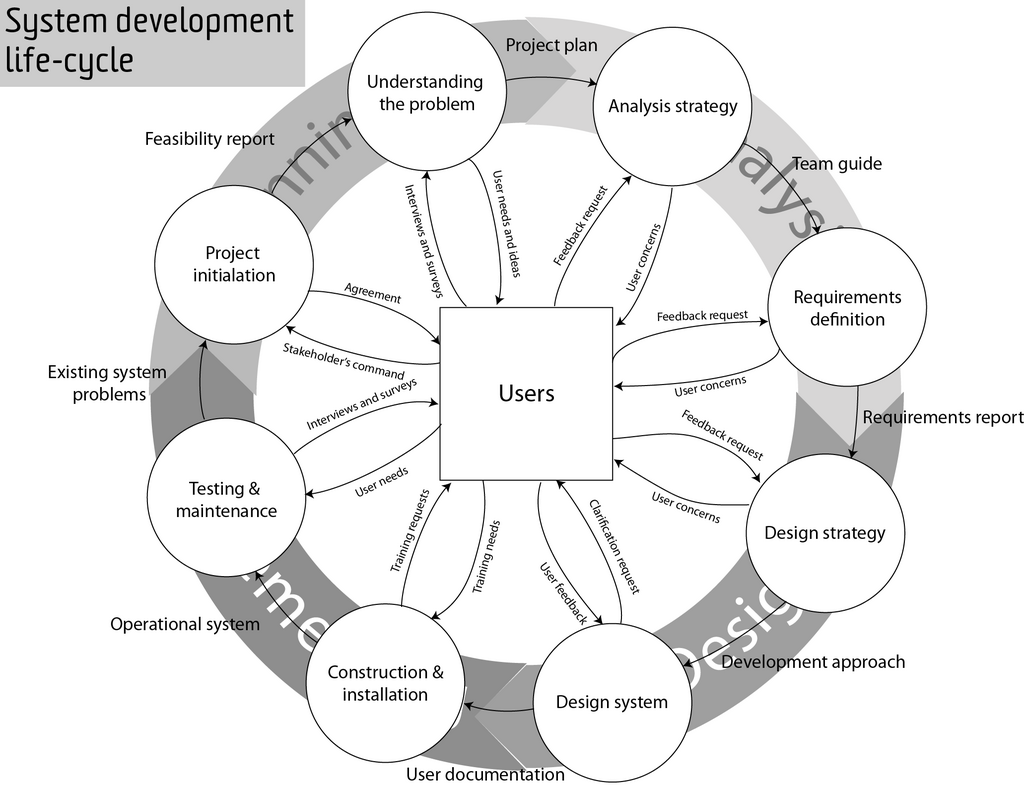
Managing this journey is called lifecycle management. It ensures that the project moves smoothly from one stage to the next, stays on budget, and meets its goals. A key part of this process is quality assurance.
Quality Assurance
noun
The systematic process of checking to see whether a product or service being developed is meeting specified requirements.
Quality assurance, or QA, isn't just about finding bugs at the end. It's a continuous effort to prevent problems in the first place. This involves everything from reviewing design documents to rigorous automated testing. QA ensures the final product is not only functional but also secure, reliable, and user-friendly. It’s the seatbelt, the airbags, and the structural inspections of the software world, all rolled into one.
What is the primary goal of software engineering?
The text compares software engineering to building a skyscraper and casual programming to building a shed. What does this analogy primarily illustrate?
Software engineering provides the discipline and structure needed to turn a great idea into a high-quality, dependable product that can evolve over time.