Software Engineering Activation Diagrams
Introduction to UML
What is UML?
Before building a house, you need a blueprint. The blueprint shows everyone involved—the architect, the construction crew, the electrician—exactly what the house should look like, how the rooms connect, and where the plumbing goes. It’s a shared, visual language that prevents confusion and costly mistakes.
In software development, the Unified Modeling Language (UML) is that blueprint. It’s a standardized way to create visual diagrams of a software system. These diagrams aren't code. Instead, they model the structure, behavior, and interactions of the software before and during its development.
UML provides a common language for software developers to communicate complex ideas visually, ensuring everyone is on the same page.
A Quick History
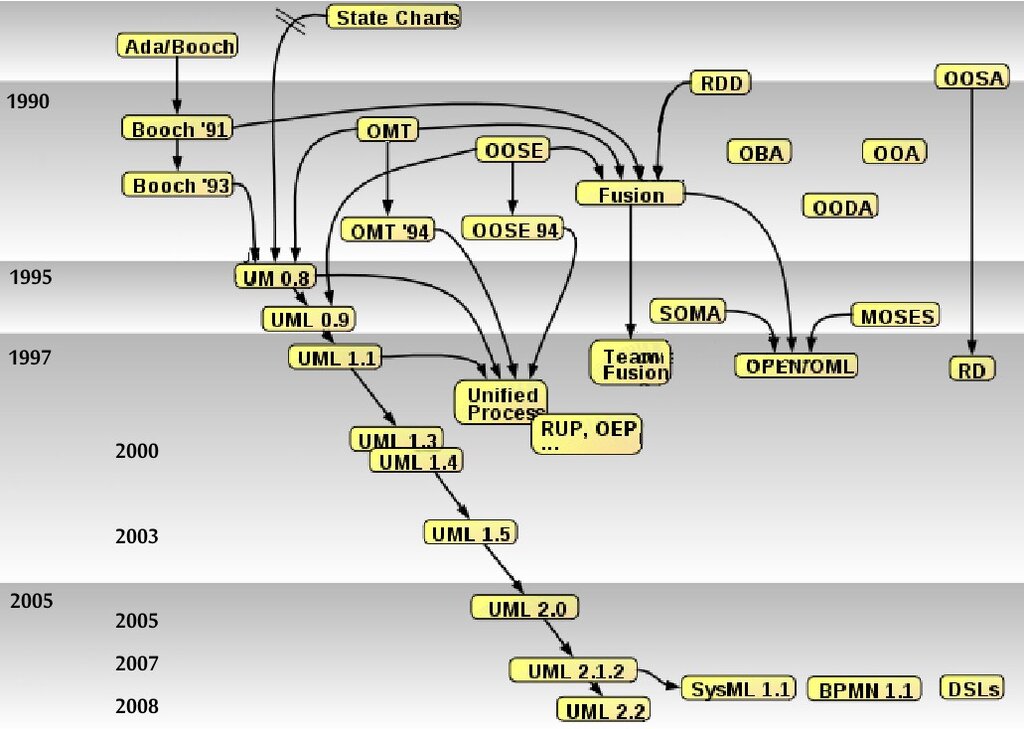
In the early 1990s, software development was a bit like the Wild West. Many different people had their own methods for designing software, which made collaboration difficult. Three of the most popular methods were created by Grady Booch, Ivar Jacobson, and James Rumbaugh.
Recognizing the need for a single, standard approach, these three experts, often called the “three amigos,” joined forces. They combined the best parts of their individual methods to create UML. In 1997, the Object Management Group (OMG), an international standards consortium, adopted UML as the official standard for modeling software systems.
The Two Sides of UML
UML diagrams are not all the same. They fall into two main categories, each designed to show a different aspect of the system.
1. Structural Diagrams: These diagrams show the static parts of a system. Think of them as the nouns. They describe what the system is made of. This includes the classes, objects, components, and the relationships between them. A structural diagram is like the floor plan in a blueprint, showing the rooms and how they are arranged.
2. Behavioral Diagrams: These diagrams show the dynamic parts of a system. They are the verbs. They describe what the system does and how it behaves over time. This includes user interactions, the flow of data, and the sequence of events. A behavioral diagram is like showing how people will walk through the house, from the front door to the kitchen to the living room.
Together, structural and behavioral diagrams provide a complete picture of a software system, covering both its static architecture and its dynamic behavior.
Using this two-sided approach allows developers, project managers, and clients to understand a system from different perspectives. It helps catch design flaws early, simplifies communication within teams, and serves as living documentation for the project.
Time to check your understanding of these core concepts.
What is the primary purpose of the Unified Modeling Language (UML)?
UML diagrams that describe the static components of a system, like its classes and objects, are known as ______ diagrams.
By mastering the basics of UML, you gain a powerful tool for planning, discussing, and building better software.