Software Development Essentials for Product Managers
Software Development Basics
How Software Gets Built
Building software isn't just about a developer writing code in a dark room. It’s a structured process, a journey from a rough idea to a finished product in the hands of a user. To guide this journey effectively, product managers need to understand the map. This map is often called the Software Development Life Cycle.
Product managers need to understand how software moves from concept to deployment.
Think of the SDLC as a framework that outlines the stages involved in creating high-quality software. It provides a methodical way to move from planning and design all the way to deployment and maintenance. While the specifics can vary, the core idea is to bring order to the complexity of software creation.
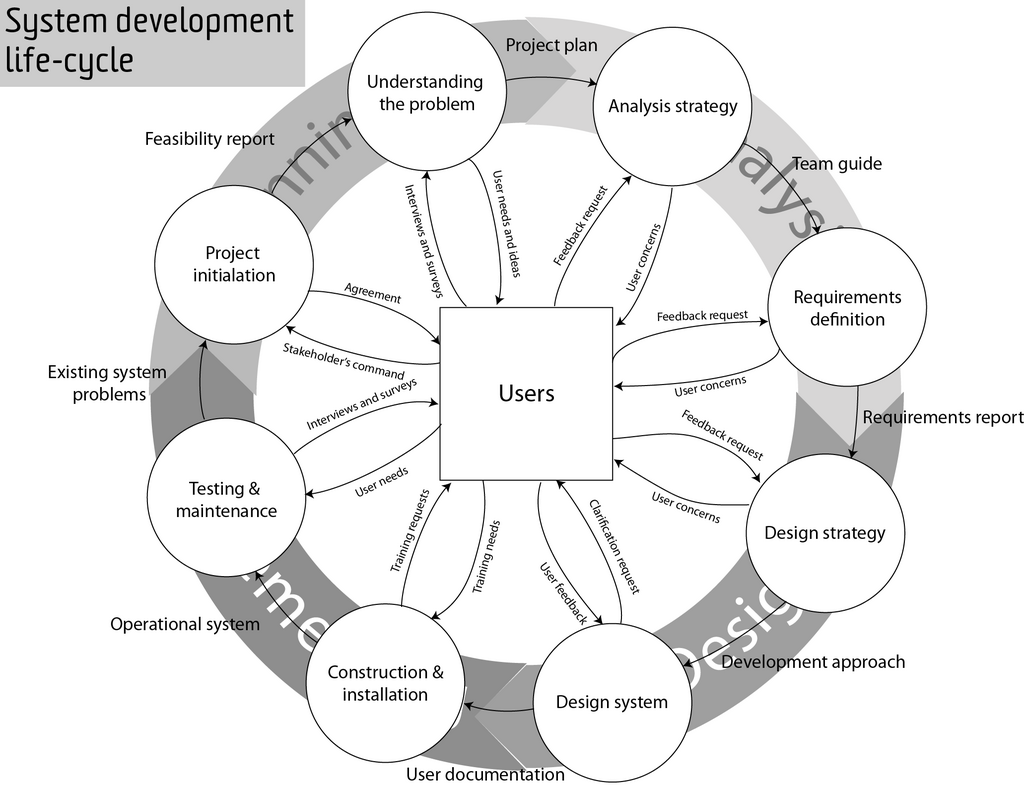
A typical SDLC includes several key phases:
- Planning & Requirements: This is where it all starts. What problem are we solving? Who is it for? The team defines the project's goals and gathers requirements from stakeholders and users.
- Design: Architects and designers create the blueprint. This includes system architecture, user interface (UI), and user experience (UX) design. It's about figuring out how the software will work and look.
- Development (Coding): Developers write the actual code based on the design specifications.
- Testing: Quality Assurance (QA) engineers rigorously test the software to find and fix bugs. This ensures the product is stable, secure, and works as expected.
- Deployment: The software is released to users. This could be a full launch or a phased rollout.
- Maintenance: The work isn't over after launch. This phase involves fixing bugs that pop up, making updates, and adding enhancements based on user feedback.
Two Paths to a Product
Teams don't all follow those SDLC phases in the same way. The two most common approaches, or methodologies, are Waterfall and Agile. They represent very different philosophies about how to build software.
The Waterfall model is the traditional approach. It’s linear and sequential. You complete one full phase before moving to the next, like a waterfall flowing down a series of steps. You finish all the planning, then all the design, then all the development, and so on. There's no going back up the waterfall.
Waterfall works well when requirements are crystal clear from the start and are unlikely to change, like building a bridge.
The Agile methodology was born out of the need for more flexibility. Instead of one long cycle, Agile breaks the project into small, iterative cycles called "sprints." Each sprint, typically lasting 1-4 weeks, includes all the phases of the SDLC (planning, design, coding, testing) and results in a small piece of working software. This allows the team to adapt to changing requirements and get user feedback early and often.
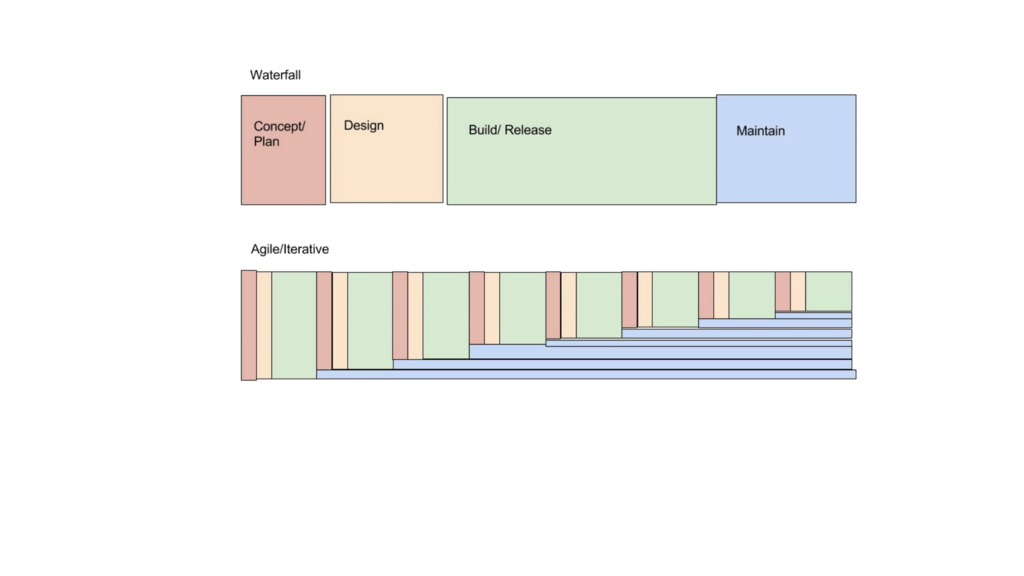
| Feature | Waterfall | Agile |
|---|---|---|
| Approach | Linear, sequential | Iterative, cyclical |
| Flexibility | Rigid; changes are difficult and costly | Highly flexible; changes are welcomed |
| Delivery | One final product at the end | Small, functional pieces delivered frequently |
| Customer Feedback | Gathered late in the process | Continuous throughout the project |
The People Behind the Code
A product is built by a team of people with specialized skills. As a product manager, you'll work closely with these experts. Understanding their roles is key to effective collaboration.
| Role | What They Do |
|---|---|
| Software Engineer | Writes, tests, and maintains the code that powers the product. They turn designs and requirements into a functional application. |
| UI/UX Designer | Focuses on the user. The UX (User Experience) designer researches user needs and maps out user flows. The UI (User Interface) designer creates the visual look and feel of the product. |
| QA Engineer | The quality guardian. They design and run tests to find bugs, performance issues, and other problems before the product reaches the user. |
| DevOps Engineer | Bridges the gap between development (Dev) and operations (Ops). They manage the tools and processes for building, testing, and deploying software automatically and reliably. |
This team works together, often in an Agile framework, to bring the product vision to life. The product manager's role is to provide that vision, prioritize what needs to be built, and ensure the team is solving the right problems for the user and the business.
What is the primary purpose of the Software Development Life Cycle (SDLC)?
A team is developing a product in a rapidly changing market. They need to be able to adapt to new user feedback every few weeks. Which methodology is better suited for this situation?
Understanding these core concepts—the SDLC, the main methodologies, and the team roles—is the first step in bridging the gap between product vision and a finished product.