Software Design Engineering
Software Engineering Fundamentals
A Blueprint for Building Software
Building a simple app might seem like just writing code, but creating complex, reliable software is more like constructing a skyscraper. You don't just start stacking bricks. You need a plan, a blueprint, and a process to manage everything from the foundation to the finishing touches. This structured approach is the core of software engineering.
At the heart of this process is the Software Development Life Cycle, or SDLC. It’s a framework that outlines the key stages a software product goes through from idea to retirement. Think of it as the standard roadmap for any software project.
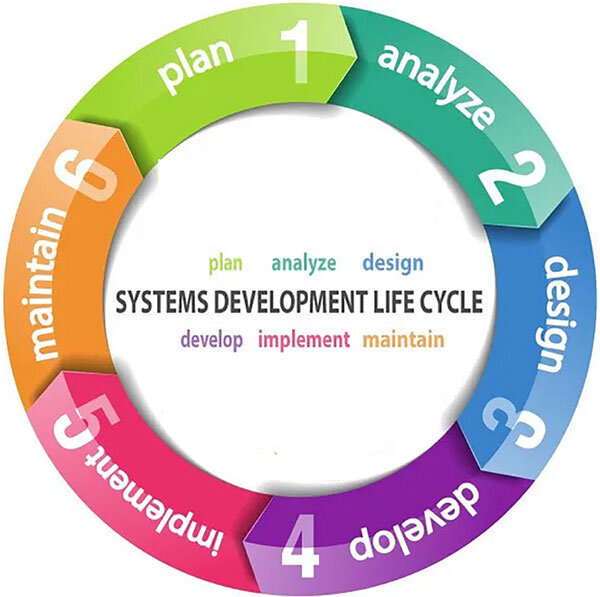
While the details can vary, the SDLC generally includes these phases:
-
Planning: This is the starting point. The team defines the project's goals, scope, and feasibility. They estimate costs, resources, and timelines.
-
Analysis: Once the project is green-lit, the team gathers and analyzes the requirements. What exactly should the software do? Who are the users? This step is crucial for success.
-
Design: Here, developers and architects create the blueprint. They decide on the system architecture, user interfaces, and technical specifications. It's about how the software will be built.
-
Development: This is where the code gets written. Programmers use the design documents to build the actual software.
-
Testing: The software is put through its paces to find and fix bugs. Quality assurance (QA) teams check if it meets the requirements and works correctly.
-
Deployment: The tested software is released to users. This could be a full launch or a phased rollout.
-
Maintenance: The work isn't over after launch. The team fixes bugs discovered by users, adds new features, and ensures the system keeps running smoothly.
Choosing Your Path
The SDLC tells you what stages to go through, but not how to go through them. That's where methodologies come in. They are different strategies for navigating the life cycle. Two of the most common are Waterfall and Agile.
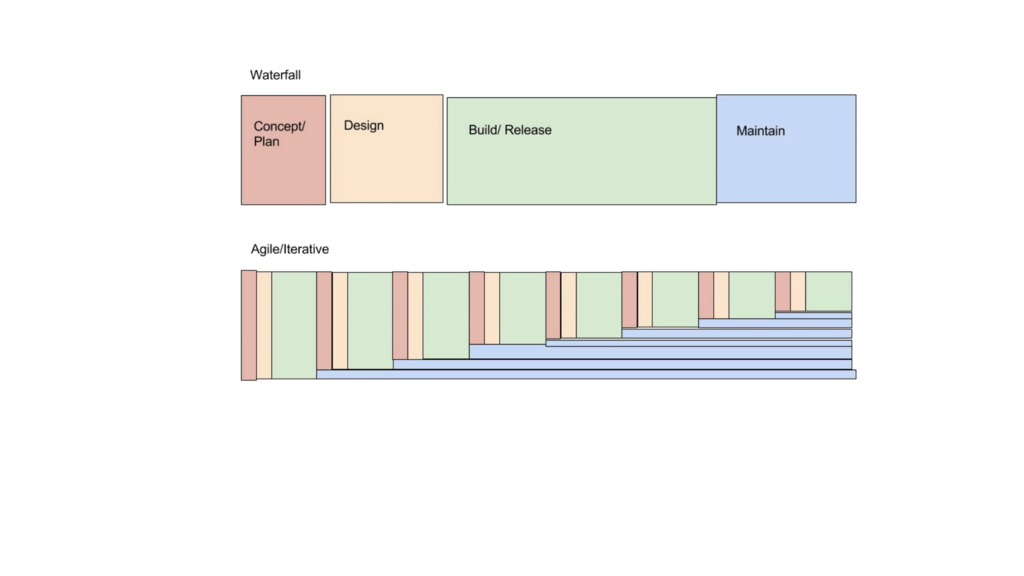
The Waterfall model is a traditional, linear approach. Each phase of the SDLC must be fully completed before the next one begins. It’s like a real waterfall: water only flows one way. This method is very structured and documentation-heavy. It works well when the project requirements are crystal clear from the start and unlikely to change.
Think of building a house with the Waterfall model. The architectural blueprint (design) is finalized before any construction (development) begins. You wouldn't start building the second floor before the foundation is completely set.
The Agile model, on the other hand, is iterative and flexible. Instead of one big project, the work is broken down into small, manageable cycles called “sprints.” Each sprint results in a small, working piece of the software. The team can adapt to changes and get user feedback at the end of every cycle. Agile is ideal for projects where requirements might evolve.
Using Agile to cook a new dish, you might taste and adjust the seasoning (get feedback) as you go, rather than following a recipe from start to finish without tasting it until the very end.
| Feature | Waterfall | Agile |
|---|---|---|
| Approach | Linear, sequential | Iterative, cyclical |
| Flexibility | Rigid, difficult to change | Highly adaptable |
| Customer Feedback | Late in the process | Continuous |
| Best For | Projects with fixed requirements | Projects with evolving needs |
The Importance of Requirements
No matter which methodology you choose, one phase stands out as particularly critical: requirements analysis. This is the process of defining exactly what the software needs to do to solve the user's problem. If you get this wrong, you could build a perfect piece of software that nobody wants or needs.
Requirements analysis involves:
- Elicitation: Talking to stakeholders—customers, users, and business experts—to understand their needs.
- Analysis: Organizing, clarifying, and prioritizing the collected information.
- Specification: Documenting the requirements in a clear, unambiguous way. This document, often called a Software Requirements Specification (SRS), becomes the guide for the design and development teams.
- Validation: Checking with stakeholders to ensure the documented requirements accurately reflect what they want.
Getting the requirements right is like setting the correct destination in your GPS before starting a long road trip. Without it, you might drive efficiently, but you'll end up in the wrong place.
Understanding these fundamentals—the SDLC, key methodologies like Waterfall and Agile, and the critical role of requirements—provides the foundation for building successful software. It's the difference between coding and engineering.