Software Defined Vehicles Explained
Introduction to Software-Defined Vehicles
The Car That Updates Itself
For over a century, a car’s capabilities were locked in the moment it rolled off the assembly line. The engine, the radio, the safety features—they were all fixed hardware. To get something new, you had to buy a new car. That's changing fast.
A Software-Defined Vehicle (SDV) is a car where features and functions are primarily controlled by software, not hardware. Think of it less like a traditional machine and more like a smartphone on wheels. Its abilities can evolve long after you've bought it.
In an SDV, code defines the user experience, from the infotainment system to how the car drives and handles.
This shift from hardware to software is a fundamental change in automotive design. While traditional cars have software, it's usually fixed, deeply embedded in specific components, and difficult to update. SDVs are built around a centralized, updatable software platform.
| Feature | Traditional Vehicle | Software-Defined Vehicle |
|---|---|---|
| Core Focus | Mechanical hardware | Software and electronics |
| Updates | Requires visiting a dealer | Over-the-air (OTA) updates |
| Features | Fixed at time of purchase | Can be added or improved later |
| Personalization | Limited | Highly customizable |
Why It Matters
The move to software-defined vehicles offers some powerful advantages. The most obvious is the ability to improve the car over time. Through over-the-air (OTA) updates, manufacturers can fix bugs, enhance performance, and even add brand-new features while the car is parked in your driveway. A car that is three years old could have features that didn't exist when it was first built.
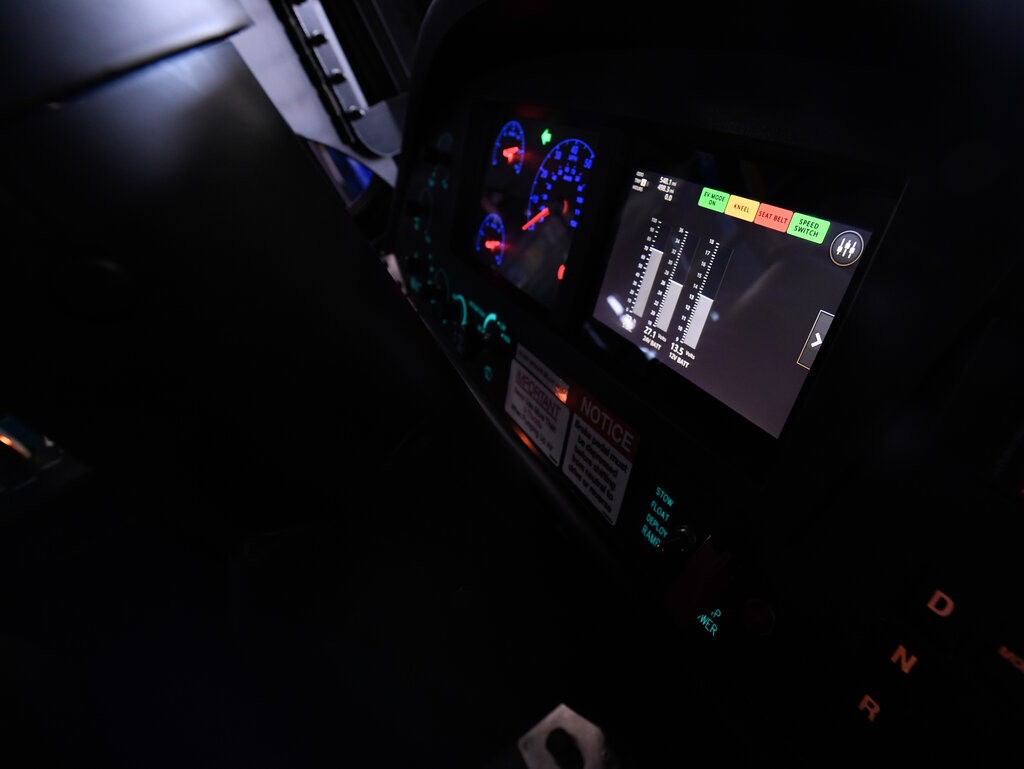
This also transforms the user experience. Software allows for a much deeper level of personalization. The car can learn your preferences for climate control, seating position, and music, and adapt to different drivers. The interface on the dashboard can be customized, and new apps and services can be downloaded, just like on a phone.
The Tech Behind the Scenes
Making a vehicle software-defined requires a few key ingredients. First, SDVs rely on powerful onboard computers. These centralized systems act as the car's brain, processing vast amounts of data and managing everything from the powertrain to the infotainment screen. They replace the dozens of smaller, isolated controllers found in traditional cars.
Second, they need robust connectivity. A reliable link to the internet, usually via cellular networks, is essential for receiving OTA updates, accessing cloud services, and communicating with other vehicles and infrastructure. This constant connection is the pipeline for new software and features.
Cloud computing has also enabled the emergence of the “software-defined vehicle” (SDV) concept.
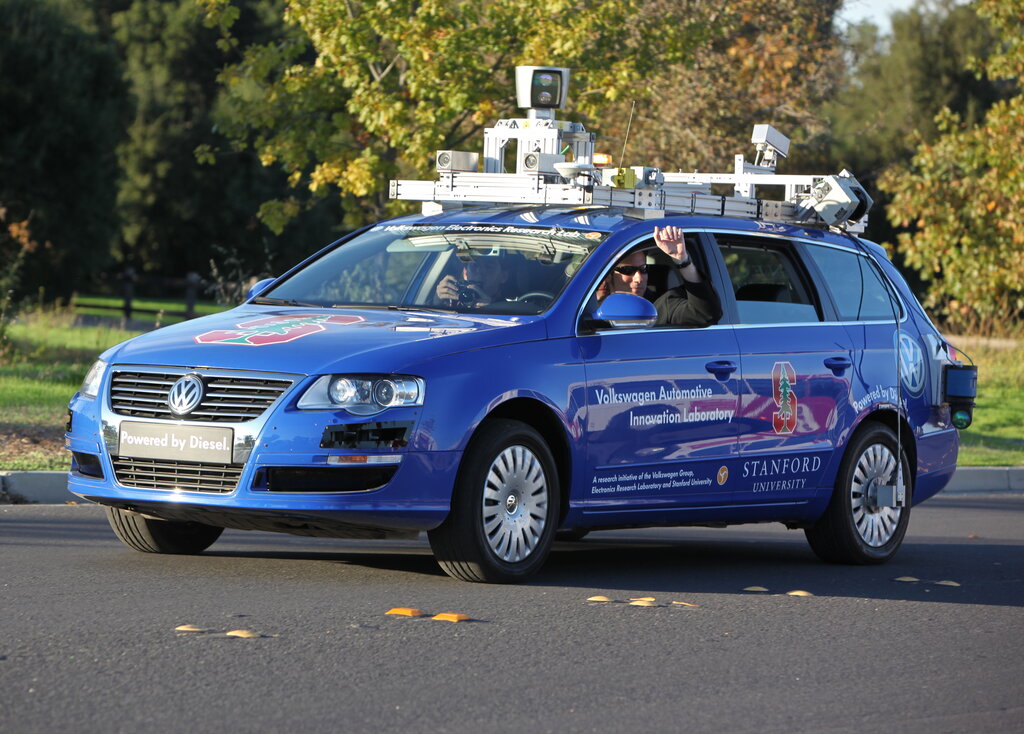
Finally, SDVs are packed with sensors. Cameras, radar, and other sensors constantly gather data about the car's surroundings and its own performance. This information is fed into the software, which uses it to enable features like advanced driver-assistance systems (ADAS) that can help with braking, steering, and parking.
Let's check your understanding of these core concepts.
What is the primary characteristic that distinguishes a Software-Defined Vehicle (SDV) from a traditional car?
The ability for a manufacturer to add new features to a car after it has been sold is made possible primarily by ___________ updates.
This new approach redefines what it means to own a car, turning it into a dynamic platform that can adapt and improve throughout its life.