Software Defined Vehicles Explained
Introduction to Software Defined Vehicles
Your Car Is Becoming a Smartphone
Think about your smartphone. You can download new apps, update the operating system for new features, and customize the experience to your liking. For a long time, cars were the exact opposite. They were static machines. The features you bought on day one were the features you had for the life of the vehicle. That's changing, fast.
A Software-Defined Vehicle (SDV) is a vehicle where features and functions are primarily enabled through software. This represents a fundamental shift from traditional car manufacturing, which has always been hardware-focused. In the past, to add a new function, like a better anti-lock braking system, you'd need to add a new physical component.
The emergence of Software-Defined Vehicles (SDVs) signifies a shift from a distributed network of electronic control units (ECUs) to a centralized computing architecture within the vehicle's electrical and electronic systems.
With an SDV, that same upgrade might be delivered through an over-the-air (OTA) software update, just like on your phone. This makes the car a dynamic platform that can evolve and improve over time, long after it leaves the factory floor.
Hardware-First vs. Software-First
A traditional car is a collection of dozens, sometimes over a hundred, small, specialized computers called Electronic Control Units (ECUs). Each ECU is designed to do one job—control the engine, manage the windows, or run the infotainment screen. They don't talk to each other very much, and their software is fixed.
ECU
noun
An Electronic Control Unit is a small computer in a vehicle that controls a specific system or set of functions, such as the engine or power windows.
An SDV flips this model. Instead of many simple computers, it relies on a few powerful, centralized computers. These high-performance computers (HPCs) run complex software that manages nearly everything in the vehicle. This change from a decentralized to a centralized system is what unlocks the potential of the SDV.
This software-first approach provides immense benefits.
Flexibility & Upgradability: New features, from improved battery performance in an EV to a new gauge cluster design, can be pushed to the car wirelessly. Your car can get better and more capable while it's parked in your garage.
Personalization: Car makers can offer features on demand. Imagine subscribing to a heated steering wheel only for the winter months, or activating an advanced driver-assist feature for a long road trip.
Why Now?
The shift to SDVs isn't happening in a vacuum. It's driven by three major trends in the auto industry.
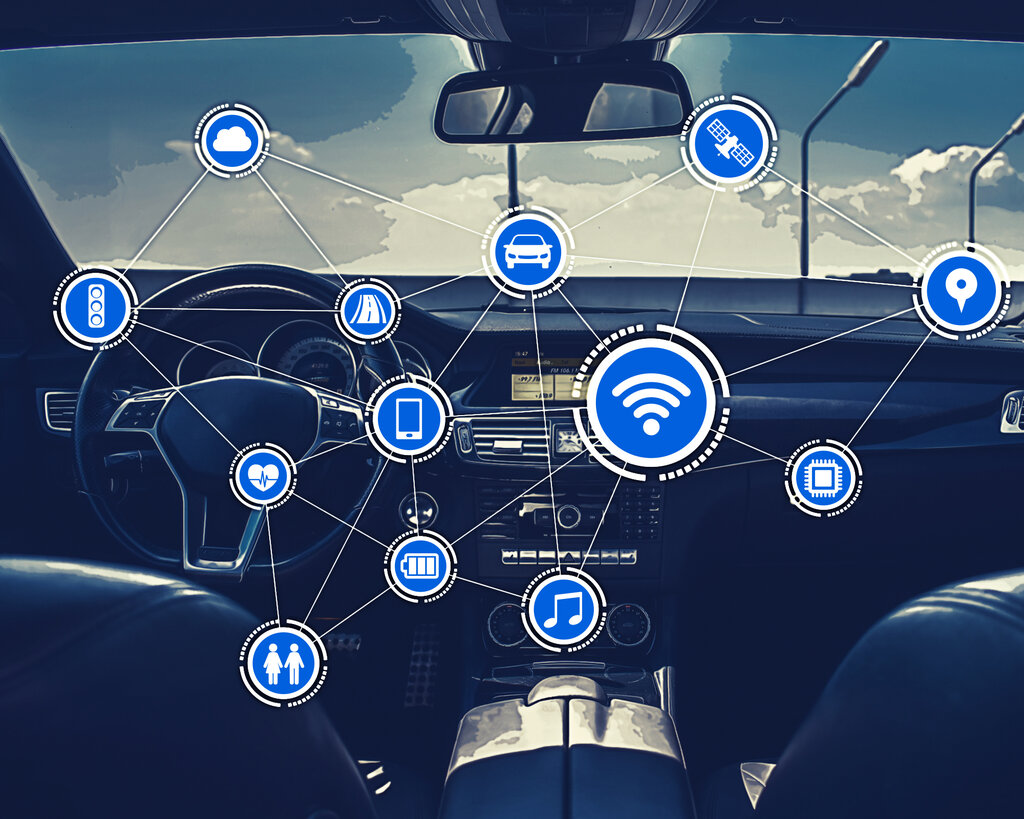
First is connectivity. The widespread availability of high-speed cellular networks means cars can be constantly connected to the internet. This is the pipeline that makes over-the-air updates and on-demand features possible. A car that's always online can download new software, report diagnostic data, and communicate with other vehicles and infrastructure.
Second, electrification has simplified vehicle architecture. Electric vehicles have fewer moving parts than internal combustion engine cars. Their powertrains are fundamentally more digital, controlled by inverters and battery management systems. This makes them a natural fit for a centralized, software-driven control system.
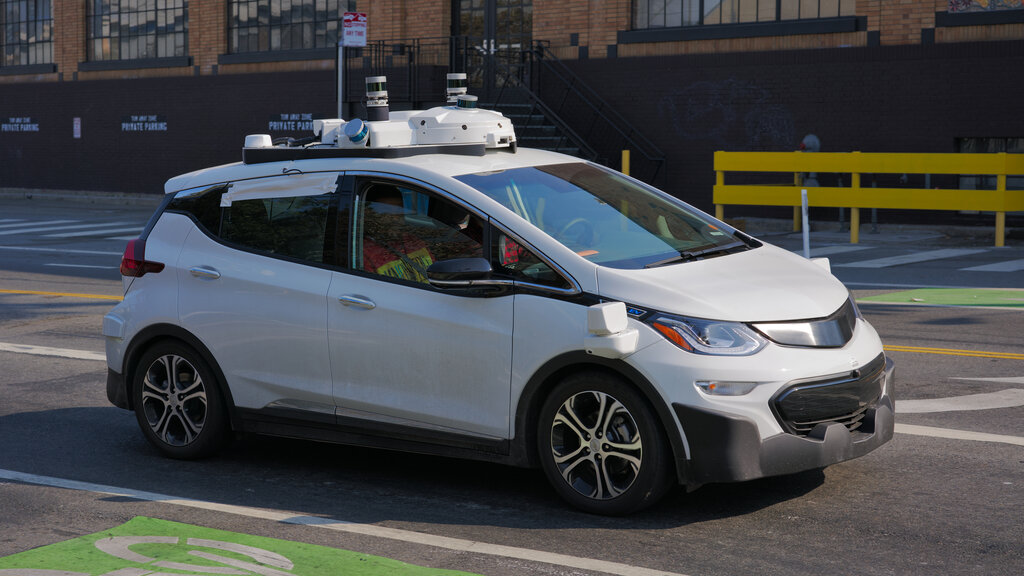
Finally, the rise of autonomous driving and advanced driver-assistance systems (ADAS) requires a huge amount of computing power and incredibly complex software. These systems need to process data from cameras, radar, and lidar in real-time. A decentralized ECU architecture simply can't handle this level of complexity. Centralized high-performance computers are a necessity, pushing the entire industry toward the SDV model.
These forces are working together to transform the automobile from a simple mode of transportation into a sophisticated, connected, and ever-evolving electronic device.
Let's check your understanding of these new concepts.
What is the primary characteristic of a Software-Defined Vehicle (SDV)?
How does the computer architecture of an SDV typically differ from a traditional vehicle?
Ultimately, the SDV concept redefines what it means to own a car. It promises a vehicle that is safer, more convenient, and more personalized, adapting to your needs not just when you buy it, but for years to come.