Socialism in Europe and the Russian Revolution Summary
Industrialisation and Social Change
Russia's Industrial Boom
At the turn of the 20th century, the Russian Empire was a study in contrasts. While vast swathes of the country remained tied to the land, with about 85% of the population living off agriculture, its cities were convulsing with change. Pockets of heavy industry, funded by both the state and foreign investment, sprang up around St. Petersburg and Moscow. This rapid industrialisation created factories, railways, and a new social class: the urban factory worker.
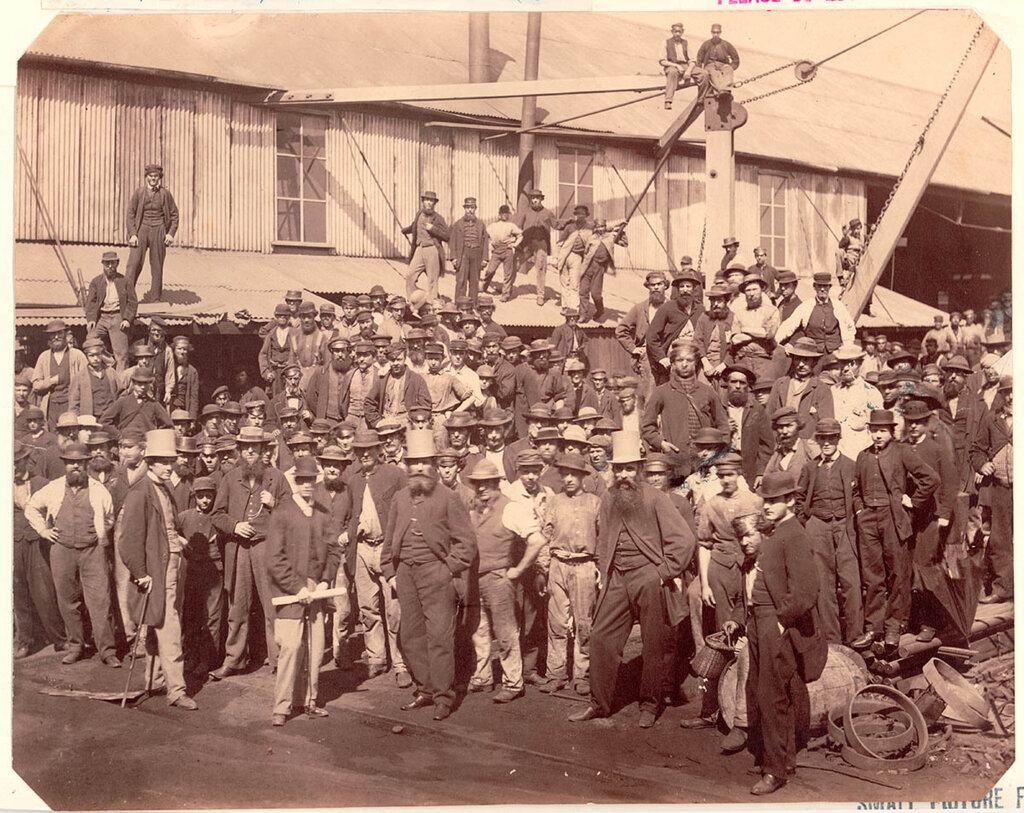
Unlike Western Europe, where industrialisation had been a slower, more organic process, Russia's was a frantic, top-down push. This created immense social strain. Workers, many of whom were former peasants, found themselves in a completely alien environment. They were disconnected from their village traditions and thrust into a world of machinery, timetables, and wage labour.
Life in the Barracks
The life of a Russian factory worker was bleak. Wages were low and could be arbitrarily reduced by fines for lateness or mistakes. Workdays often stretched to 15 hours. But it was the living conditions that were perhaps most grim. Most workers lived in large, cramped barracks, often sleeping in shifts on the same bunk beds. Privacy was non-existent, and sanitation was poor. This shared hardship and close proximity forged a distinct identity among the urban , a group with its own grievances, separate from the peasantry they had left behind.
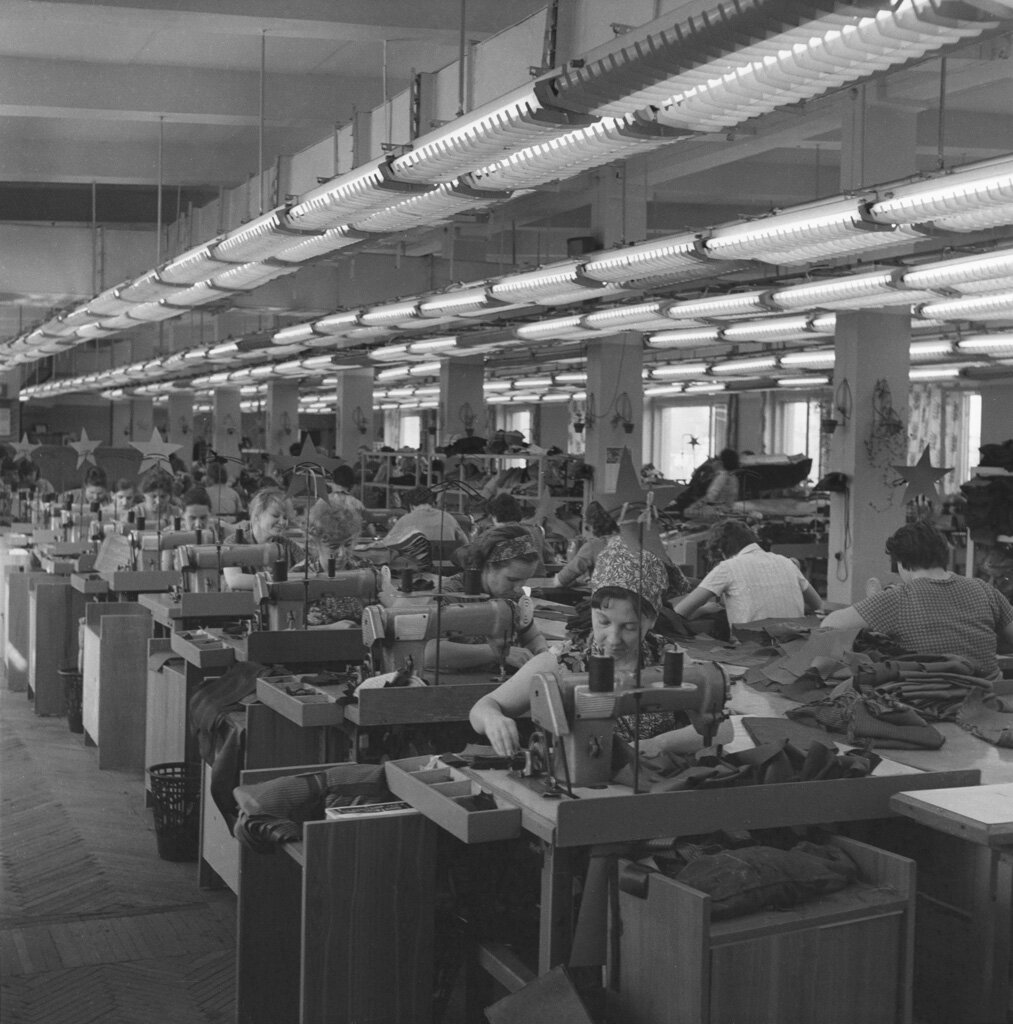
Despite these conditions, a sense of solidarity grew. Workers began to organise. Although trade unions were illegal, they formed associations to coordinate strikes and demand better pay and shorter hours, typically aiming for an 8-hour day. These groups became fertile ground for new political ideas that spoke to their struggles.
The Rise of Socialist Parties
By the early 1900s, several socialist groups had taken root. The Socialist Revolutionary Party, formed in 1902, focused on the peasantry. They argued that land should be transferred from the nobles to the peasant communes. They believed in a uniquely Russian path to socialism, rooted in the country's agrarian traditions.
In contrast, the Russian Social Democratic Labour Party (RSDLP), founded in 1898, was strictly Marxist. They believed the industrial working class, not the peasantry, was the true revolutionary force that would bring socialism to Russia. They saw the factory floor, not the farm, as the main battlefield for class struggle. However, the party was soon crippled by internal disagreements over strategy.
| Party | Target Group | Key Belief |
|---|---|---|
| Socialist Revolutionaries | Peasants | Transfer land to peasant communes. |
| Social Democrats (RSDLP) | Urban Workers | Proletarian revolution to overthrow capitalism. |
In 1903, at the Second Congress of the RSDLP, the party famously split into two factions: the Bolsheviks (from the Russian word for 'majority') and the Mensheviks ('minority'). The split happened over the question of party membership and structure. The leader of the Bolsheviks, , argued for a small, tightly organised party of professional revolutionaries who would lead the working class. He believed a disciplined, centralised group was essential to seize power in an autocratic state.
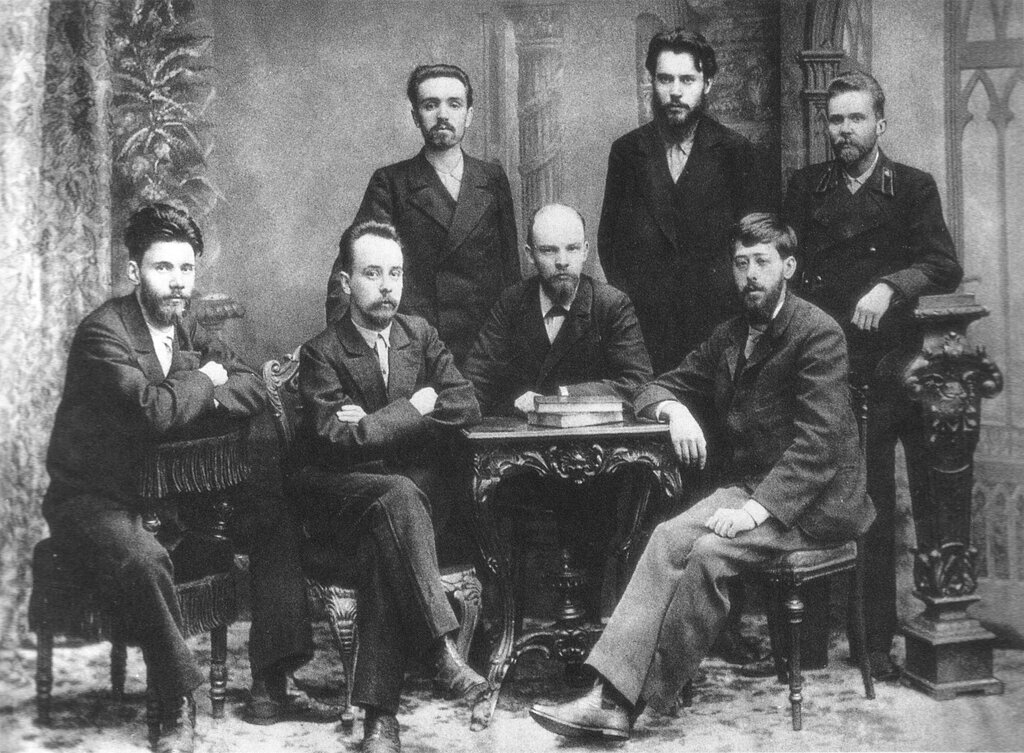
The Mensheviks, led by Julius Martov, disagreed. They envisioned a more open, democratic party that would welcome a broad base of workers and sympathisers. They believed Russia was not yet ready for a socialist revolution and that a period of capitalist development and bourgeois democracy had to come first. This fundamental difference in vision set the two factions on separate, and ultimately conflicting, paths.
| Faction | Leader | Party Structure | Path to Revolution |
|---|---|---|---|
| Bolsheviks | Vladimir Lenin | Small, disciplined party of professional revolutionaries. | Seize power directly with a vanguard party leading the workers. |
| Mensheviks | Julius Martov | Broad, open, democratic party with mass membership. | Await capitalist development; ally with liberals for a bourgeois revolution first. |
These divisions within the revolutionary movement would prove crucial in the years to come. Now, let's test your understanding of these early political forces.
At the turn of the 20th century, what was the primary occupation for the vast majority of the Russian Empire's population?
Which political party believed that the industrial working class, not the peasantry, was the key revolutionary force in Russia?
The stage was set. Rapid industrialisation had created a new, discontented working class, and revolutionary parties were forming to channel that discontent into political action.