Socialism and the Russian Revolutionary Shift
Tsarist Economic Decay
Forcing an Industrial Age
By the late 19th century, the Russian Empire was a giant lagging behind. While Western Europe and America were building factories and modern economies, Russia remained overwhelmingly agrarian, a vast landscape of peasant farmers using outdated methods. This technological gap was a military threat, and the Tsars knew it.
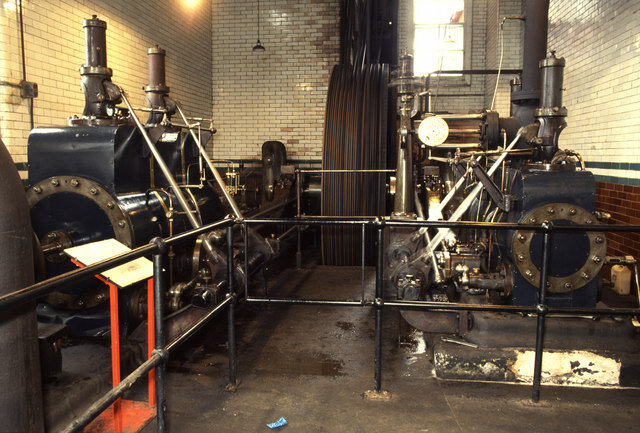
The man tasked with closing this gap was Finance Minister , an architect of Russia's forced industrialization. His strategy, known as the Witte System, was a top-down revolution. Instead of letting a middle class and consumer demand build an economy organically, the state took the lead. Witte invited huge amounts of foreign capital, especially from France, to fund the construction of railways, steel mills, and coal mines. He protected these new industries with high tariffs and stabilized the currency by adopting the gold standard.
This period of rapid growth was dubbed the 'Great Spurt.' The crown jewel of this effort was the Trans-Siberian Railway, a monumental project intended to connect European Russia with the Pacific coast, projecting power and unlocking Siberia's resources. But this progress was built on a fragile foundation.
The Price of Progress
Witte's industrial boom was financed by squeezing the peasantry. The state imposed heavy taxes on everyday goods like vodka and salt, and aggressively pushed grain exports to generate foreign currency, even when it meant creating domestic shortages. This policy put immense pressure on a rural population already struggling with a broken system.
The problem had deep roots. The 1861 emancipation that freed the serfs was deeply flawed. Freed peasants were not given land outright. Instead, they were saddled with crushing to the state, a 49-year mortgage to pay for the land they had always worked. This debt chained them to their village communes, or mirs, which managed land collectively and were responsible for ensuring taxes were paid. The mir system discouraged innovation and kept farming inefficient, leading to frequent famines.
Trapped by debt and facing starvation, millions of peasants left the countryside for the cities, seeking work in the new factories. They became a new class: the urban proletariat. These workers were concentrated in massive, poorly regulated industrial centers like St. Petersburg and Moscow, living in squalid barracks with low pay and brutal working conditions. Stripped of their rural traditions and social support, they became a volatile and easily mobilized force for radical ideas.
A Dress Rehearsal for Disaster
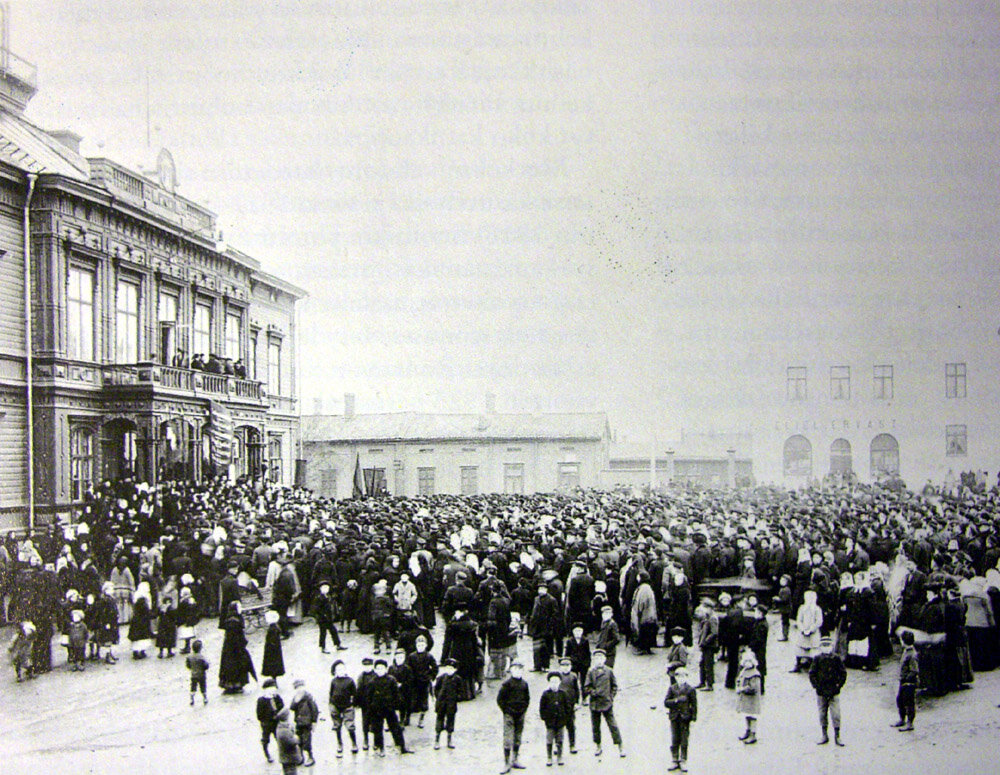
By 1905, the system was at a breaking point. A humiliating defeat in the Russo-Japanese War exposed the weakness of the Tsar's regime and the failure of industrialization to translate into effective military power. Back home, food shortages and worker discontent boiled over. The Bloody Sunday massacre, where peaceful protestors were fired upon by the Tsar's troops, ignited a nationwide uprising known as the 1905 Revolution.
The revolution forced Tsar Nicholas II to make concessions, including the creation of a parliament, the Duma. But this was a temporary fix, not a fundamental reform.
The key structural failure was the absence of a strong middle class. In Western Europe, a robust bourgeoisie had provided a foundation for liberal democracy, acting as a buffer between the aristocracy and the working class. In Russia, Witte's top-down industrialization created a small class of factory owners and financiers, but they were almost entirely dependent on the state and lacked independent political power. There was no one to champion gradual reform. Society was polarized between a rigid autocracy and a growing, radicalized proletariat.
The reforms that followed 1905, including those by Stolypin, were too little, too late. They aimed to solve the land crisis but failed to address the deep-seated anger of urban workers or the Tsar's refusal to relinquish real power. The economic strains had created a society ripe for collapse. The 1905 Revolution was not the end of the story; it was merely the dress rehearsal for the far greater upheaval to come in 1917.
Now, let's test your understanding of the economic forces that undermined the Russian Empire.
What was the primary method used by Finance Minister Sergey Witte to fund Russia's rapid industrialization, known as the 'Great Spurt'?
Following the emancipation of the serfs in 1861, what were the 'redemption payments'?
These deep-rooted economic issues created a volatile situation that World War I would ultimately ignite.