Social Security and Working
Social Security Basics
Your Social Safety Net
Social Security is a federal program that acts as a safety net for millions of Americans. Think of it as a nationwide insurance program managed by the government. Throughout your working years, you pay into the system through taxes. In return, you and your family can receive benefits when you retire, if you become disabled, or if a working family member passes away.
The program was established in 1935, during the Great Depression, to provide a steady source of income for retired workers. Before then, most people had to rely on personal savings or family support after they could no longer work, which often wasn't enough.
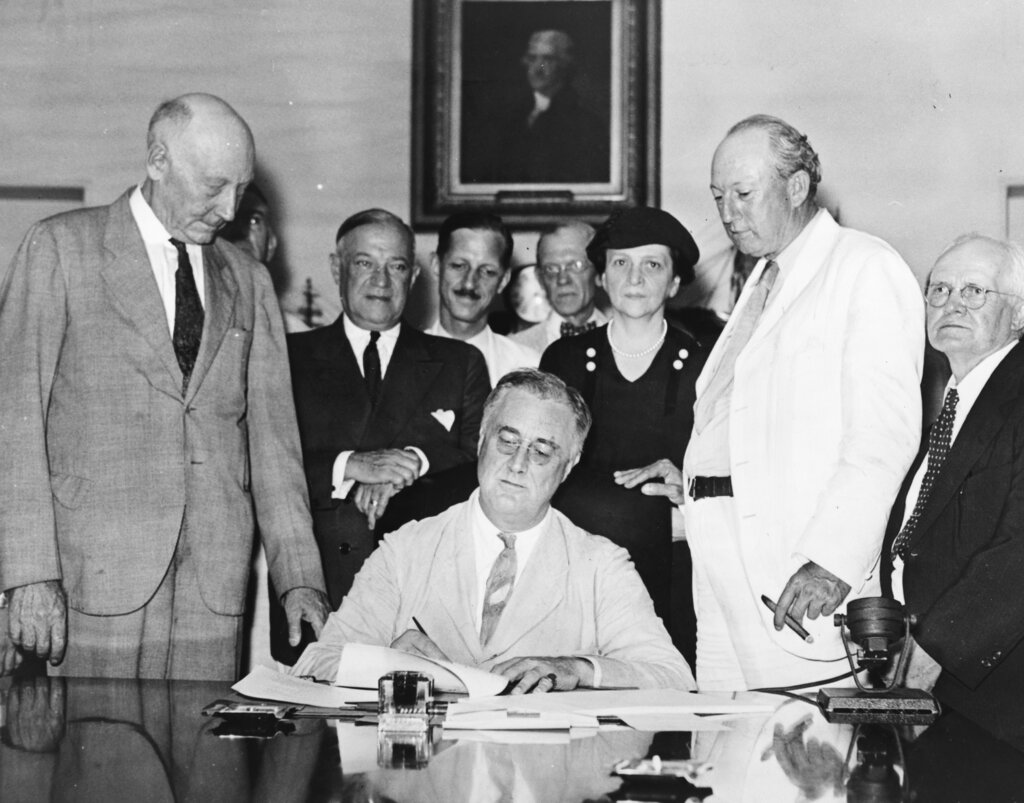
Today, it remains a cornerstone of financial security for many people. It's not designed to be your only source of income in retirement, but it provides a foundation to build on with pensions, savings, and investments.
Earning Your Way In
Eligibility for Social Security isn't automatic. You qualify for benefits by working and paying Social Security taxes. As you work, you earn "credits" that count toward your future benefits.
The amount of earnings needed for one credit changes each year. For example, in 2024, you earn one credit for every $1,730 you make, and you can earn up to four credits per year. The number of credits you need depends on your age and the type of benefit you're applying for.
For retirement benefits, you'll generally need 40 credits, which is about 10 years of work for most people. For disability or survivor benefits, the requirements are often different and may depend on your age when the event occurs.
A Family of Benefits
While most people think of Social Security as just for retirement, it actually provides a range of different benefits. These benefits are designed to support you and your family members at different stages of life and in different circumstances.
Let's break down each type.
Retirement Benefits: This is the most well-known benefit. It provides a monthly check once you reach retirement age. You can start receiving benefits as early as age 62, but the amount you receive will be permanently reduced. If you wait until your full retirement age (which varies depending on the year you were born), you'll receive your full benefit amount.
Disability Benefits: Social Security Disability Insurance (SSDI) pays benefits to you and certain family members if you are "insured," meaning you've worked long enough and recently enough to qualify. To receive SSDI, you must have a medical condition that meets Social Security's definition of disability and prevents you from working for at least a year.
Survivor Benefits: If a worker who has earned enough Social Security credits passes away, certain family members may be eligible for survivor benefits. This can include spouses, children, and even dependent parents. These payments help provide financial support to families after they've lost a wage earner.
Ready to check your understanding? Let's see what you've learned.
What was the primary reason for the establishment of the Social Security program in 1935?
How does a person qualify for Social Security benefits?
Understanding these core components—its purpose, how you qualify, and the types of benefits available—is the first step in navigating the Social Security system.