Social Security Administration Explained
Introduction to Social Security
A Safety Net for Americans
Before 1935, life for older Americans was often precarious. The Great Depression had wiped out savings, and with no national system for retirement, many faced poverty after a lifetime of work. Families were the primary source of support, but the economic collapse strained those bonds to their breaking point. The country needed a more durable solution.
In response to this crisis, President Franklin D. Roosevelt signed the Social Security Act into law on August 14, 1935. It was a landmark piece of legislation that created a social insurance program. The idea was simple but revolutionary: while you work, you pay into the system, and when you retire or if you become disabled, you receive benefits to help support you.
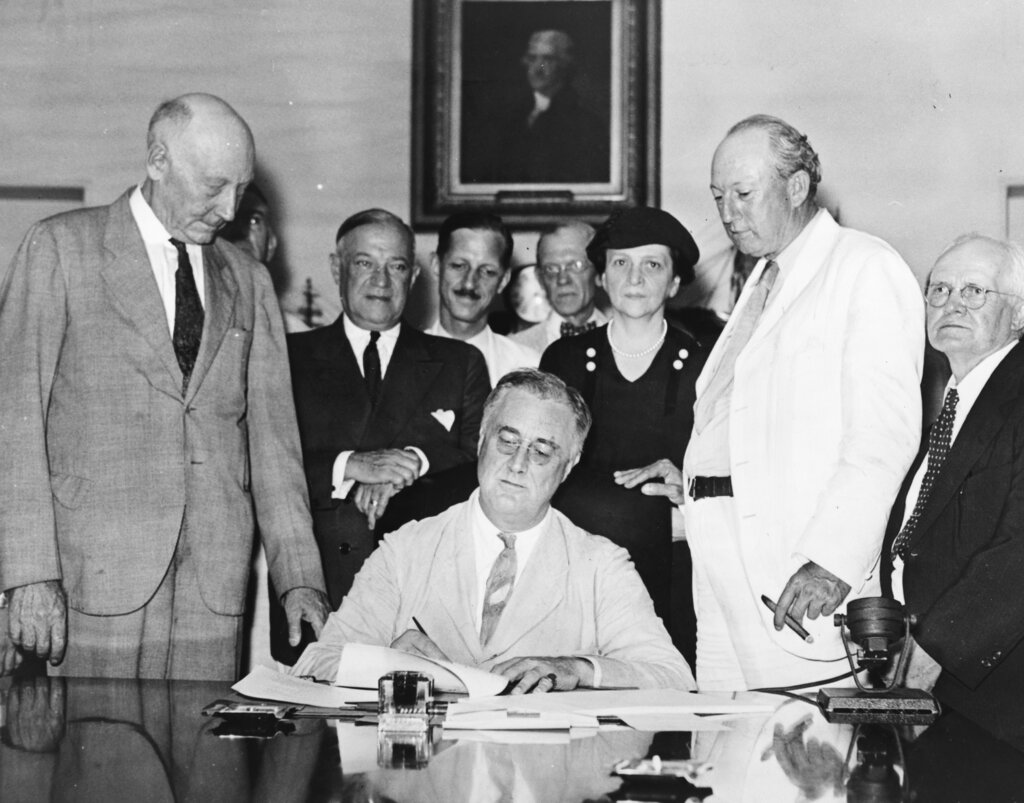
This act established the Social Security Administration (SSA) to manage the new program. It wasn't designed to be a person's sole source of income in retirement, but rather a foundational safety net to protect against economic hardship.
The SSA's Core Mission
The mission of the SSA is to deliver Social Security services that meet the changing needs of the public. Its primary objective is to promote the economic security of the nation's people through its social insurance programs.
The core of this system is a simple contract between generations. Today's workers help pay for the benefits of current retirees and other beneficiaries. When today's workers retire, a new generation of workers will help pay for their benefits.
This isn't a welfare program. Benefits are based on a worker's contributions. By paying Social Security taxes, workers earn credits that determine their eligibility and benefit amount. This structure ensures that individuals have a personal stake in the system they help fund.
More Than Just Retirement
While most people associate Social Security with retirement, the SSA administers several distinct programs that provide a broad range of support for Americans.
| Program | Purpose |
|---|---|
| Retirement Benefits | Provides a monthly income for qualified workers once they reach retirement age. |
| Disability Insurance (SSDI) | Offers financial assistance to individuals who are unable to work due to a significant medical condition that is expected to last at least one year or result in death. |
| Survivors Benefits | Provides payments to the families of workers who have died, helping to support widows, widowers, and dependent children. |
| Supplemental Security Income (SSI) | A needs-based program providing financial help to disabled adults and children, as well as individuals 65 or older, who have very limited income and resources. |
Together, these programs create a safety net that protects millions of Americans and their families from unforeseen hardships, whether from old age, severe disability, or the loss of a family breadwinner.
A Lasting Impact
The impact of Social Security on American society has been profound. Before its creation, about half of all seniors lived in poverty. Today, that number is less than 10%, a dramatic reduction directly attributable to the program.
Social Security has fundamentally changed how we think about retirement. It has transformed it from a period of potential destitution into a stage of life where people can maintain their independence and dignity. It provides a stable, reliable source of income that millions of Americans depend on to cover basic living expenses.
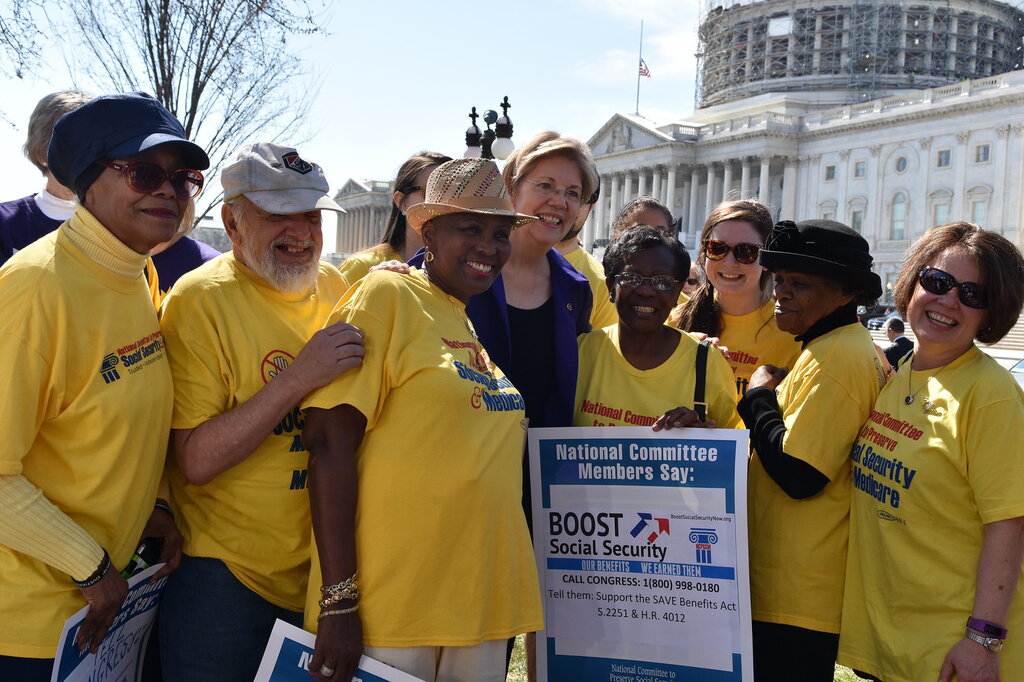
By providing this essential support, Social Security not only helps individuals but also strengthens the economy as a whole. It ensures that older adults and those with disabilities can continue to participate in their communities and local economies.
Time to check your understanding of these foundational concepts.
What major historical event was the primary catalyst for the creation of the Social Security Act in 1935?
According to the provided text, Social Security is designed to be a person's sole source of income during retirement.
Social Security was created to provide a layer of economic security for Americans. It has since become a cornerstone of American life, providing essential benefits for retirement, disability, and survivorship.