Social Media to Website Traffic Mastery
Understanding Social Media Platforms
Choosing Your Arena
Jumping into social media without a plan is like shouting into the wind. To make an impact, you need to know where your audience is and what they're listening for. Each social media platform is a different world with its own culture, language, and audience. A message that resonates on one platform might fall flat on another.
The key isn't to be everywhere at once. It's to be in the right places, connecting with the right people. Think of each platform as a different tool. You wouldn't use a hammer to saw a board. Similarly, you shouldn't use LinkedIn to share a meme or TikTok to post a lengthy business report. Understanding the unique strengths of each network is the first step toward building a successful online presence.
Every social media platform serves a different purpose and draws a distinctive audience.
Let's explore the biggest players in the game to see which one fits your goals.
The Social Media Landscape
To pick the right platform, you need to understand who uses it and why. Here's a breakdown of the major networks.
Facebook: The Community Hub
With nearly 3 billion users, Facebook is the largest social network globally. Its audience spans all age groups, making it incredibly versatile. People use it to connect with friends and family, join groups based on shared interests, and follow brands they like. For businesses, Facebook Pages are essential for building a community, sharing updates, and providing customer service. It's the digital equivalent of a town square.
Instagram: The Visual Showcase
Owned by Meta, Instagram is all about aesthetics. It's a visual-first platform where high-quality photos, videos, Reels, and Stories shine. Its user base skews younger, primarily under 35. This is the place for brands with a strong visual identity—think fashion, food, travel, and art. Features like Instagram Shopping allow businesses to sell products directly from their posts and stories.
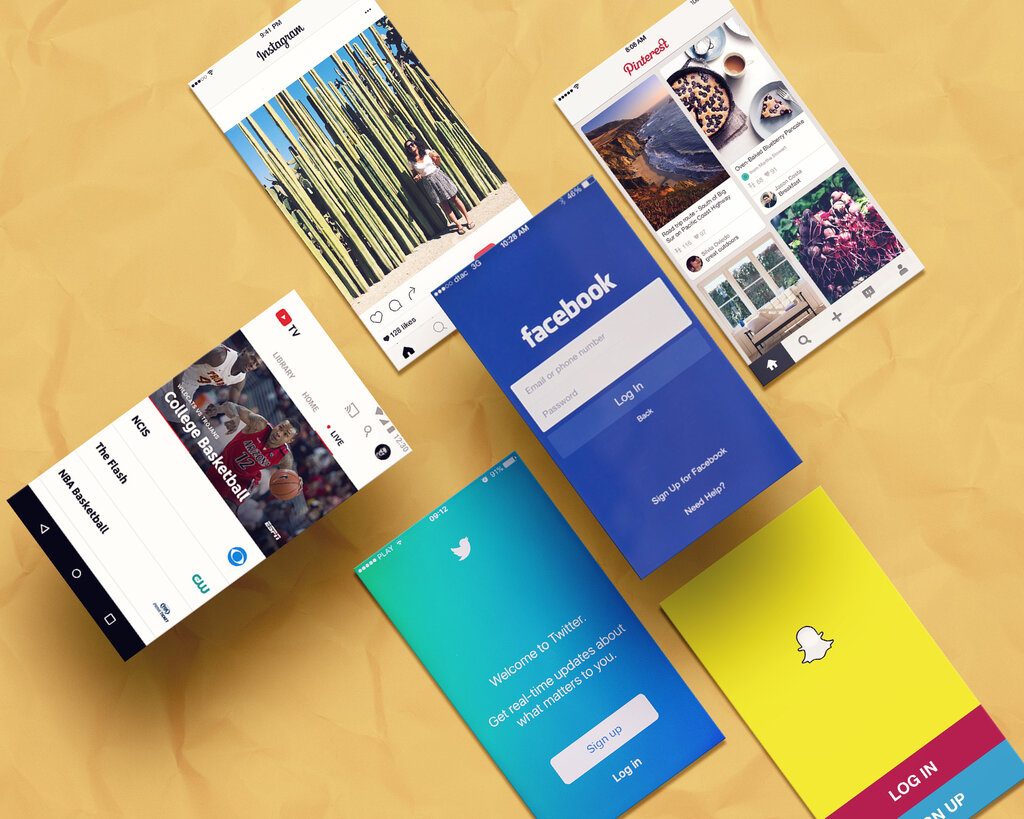
X (formerly Twitter): The Real-Time Newsfeed
If it's happening now, it's happening on X. This platform is known for short, punchy updates and fast-paced conversations. It's a go-to source for news, live events, and customer service interactions. The demographic is broad, but it's particularly popular with professionals in media, tech, and politics. Brands use X to share timely announcements, engage in public dialogue, and quickly respond to customer queries.
LinkedIn: The Professional Network
LinkedIn is the world's largest professional network. It's the place for career development, industry news, and B2B (business-to-business) networking. Users are typically college-educated professionals looking to build their personal brand, find jobs, and connect with peers. For businesses, LinkedIn is invaluable for recruiting talent, generating leads, and establishing authority in their field.
TikTok: The Entertainment Engine
TikTok's domain is short-form, creative video content. Its algorithm is famously good at serving users a continuous stream of videos tailored to their interests, making it highly addictive. The audience is predominantly Gen Z and young millennials. Brands succeed here by being authentic, creative, and participating in trends. It's less about direct selling and more about building brand personality and awareness through entertaining content.
| Platform | Primary Audience | Best For |
|---|---|---|
| Broad (Gen X & Millennials) | Community building, local business, broad-reach advertising | |
| Younger (Millennials & Gen Z) | Visual brands (fashion, food, travel), e-commerce, influencer marketing | |
| X (Twitter) | Broad (Professionals, Journalists) | News, real-time updates, customer service, public relations |
| Professionals, B2B | Professional networking, B2B sales, recruiting, industry leadership | |
| TikTok | Youngest (Gen Z) | Viral content, brand personality, user-generated campaigns |
Matching Platforms to Goals
Now that you know the landscape, how do you choose your path? Your business goals should be your guide. Don't just pick a platform because it's popular; pick the one that aligns with what you want to achieve.
Start by asking yourself a few key questions:
- Who is my target audience? If you're selling professional software, LinkedIn is a better bet than TikTok. If you're a local bakery, Facebook is perfect for connecting with your community.
- What kind of content can I create? If you excel at creating stunning visuals, Instagram is your playground. If your strength is writing insightful articles, LinkedIn is the place to share them.
- What is my main objective? Is it to drive sales, build brand awareness, or provide customer support? Different platforms are better suited for different goals.
For example, a local coffee shop wants to build loyalty and announce daily specials. Their audience is local, and their content is visual (latte art, cozy cafe shots). Facebook and Instagram are perfect for this. In contrast, a software company wants to attract B2B clients and recruit top engineers. Their content would be articles on industry trends and company culture updates. LinkedIn would be their primary focus.
A new B2B software company wants to establish itself as an industry leader by sharing insightful articles and attracting top engineering talent. Which platform should be their primary focus?
Which platform is best described as an 'entertainment engine' powered by a strong algorithm that serves short-form, creative videos to a predominantly Gen Z audience?
Choosing the right social media platform is a foundational step. By understanding the unique character of each network, you can focus your energy where it will have the most impact and build a meaningful connection with your audience.