Social Media Mastery for Real Estate Professionals
Platform Algorithms
Decoding the Algorithms
Think of a social media algorithm as a gatekeeper. Its job is to sort through the billions of posts created every day and decide which ones you see in your feed. In the early days, feeds were chronological, showing the newest posts first. That's no longer the case.
Today, algorithms decide what to show you based on one primary goal: keeping you on the platform longer. To do this, they show you content they predict you’ll find interesting, relevant, and engaging. For a real estate professional, understanding the unique 'personality' of each platform's algorithm is the key to getting your listings and expertise in front of the right people.
LinkedIn: Your Digital Handshake
LinkedIn is a professional network, and its algorithm acts accordingly. It prioritizes content that fosters professional growth and conversation. Your feed is shaped by your connections, the people you interact with, the groups you're in, and the topics you follow.
For agents, this means your posts about a new luxury condo listing might get traction, but an article you write about local zoning law changes could perform even better. The algorithm favors content that establishes you as an expert. It's less about the hard sell and more about building professional credibility.
Meaningful engagement is gold on LinkedIn. A thoughtful comment that extends the conversation is far more valuable to the algorithm than a simple 'like'.
The first hour after you post is critical. LinkedIn shows your post to a small segment of your network first. If it gets good engagement quickly, the platform shows it to a wider audience. This is why timing your posts for when your network is most active, typically during business hours, is crucial. Use relevant hashtags like #CommercialRealEstate, #PropertyInvestment, or #[YourCity]Realtor to help professionals outside your immediate network discover your content.
Facebook & Instagram: Community and Visuals
As Meta platforms, Facebook and Instagram share a core focus on personal connections. Their algorithms prioritize content from friends, family, and accounts you interact with most. For your real estate business page, this makes earning a spot in a user's feed competitive.
On Facebook, the algorithm values active engagement. This means comments, shares, and long-form reactions. Posts that spark conversations are rewarded. This is why asking questions or posting about community events can be so effective. Live videos also get a significant boost, making them perfect for virtual open houses. Facebook Groups are powerful; sharing your expertise in a local community group can generate more visibility than posting on your own page.
Instagram is all about the visuals. High-quality photos and videos are non-negotiable. The algorithm monitors how users interact with your content, including likes, comments, shares, and saves. Saves are a strong signal that your content is valuable. A post with many saves, like a checklist for first-time homebuyers or a beautifully shot home tour, tells the algorithm to show it to more people.
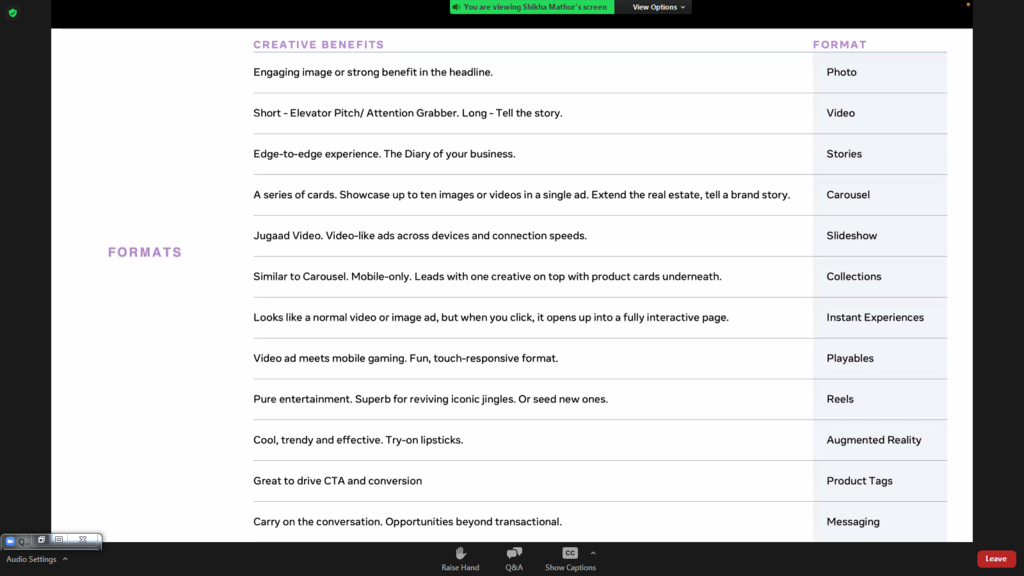
Both platforms use Reels, and their algorithms heavily favor this short-form video content to compete with TikTok. A 15-second video tour of a stunning kitchen can reach thousands more people than a static photo. For Instagram, the Explore page is a major discovery tool. Getting your content featured there happens when your post receives high engagement, especially from people who don't follow you yet. Using a mix of popular and niche hashtags helps the algorithm categorize your content and show it to interested users.
TikTok: The Discovery Engine
TikTok's algorithm is different. While other platforms are heavily based on your social graph (who you follow), TikTok's 'For You' page is an interest graph. It excels at showing you content it thinks you'll love, regardless of whether you follow the creator.
This is a massive opportunity for real estate agents. You can reach a huge local audience without needing a large follower count. The algorithm analyzes user signals very closely, such as:
- Video completion rate: Did the viewer watch your whole video?
- Shares, comments, and likes: Classic engagement metrics.
- Content details: It analyzes the audio, captions, and hashtags you use.
For agents, this means creating short, engaging videos that grab attention immediately. Think quick property tours, 'day in the life' content, or tips for buyers and sellers set to trending audio. The key is to provide value or entertainment quickly to keep people watching.
Universal Truths
While each platform has its quirks, some principles apply across the board. High engagement signals to every algorithm that your content is valuable. This means you should create content that encourages a response.
Consistency is also key. Posting regularly, whether it's three times a week or once a day, teaches the algorithm that you are an active and reliable source of content. Experiment with posting times to find your 'sweet spot' when your specific audience is most active online.
The most important takeaway is to create platform-native content. What works on LinkedIn (a detailed market report) won't work on TikTok (a 15-second video). Tailor your message to the medium.
Align your content strategy with the platform your target audience uses most, and tailor the content format (video, image, etc.) to that platform's trends.
Ready to test your knowledge of how these digital gatekeepers work?
What is the primary goal driving modern social media algorithms?
An agent posts an in-depth article about local zoning law changes on LinkedIn. Why might this post perform better than a simple new listing announcement?
Mastering these algorithms takes time and experimentation. Pay attention to your analytics, see what resonates with your audience, and adapt your strategy. By working with the algorithms, not against them, you can significantly expand your reach and build a stronger real estate business.