Social Media Marketing with Affiliate Links
Introduction to Social Media Marketing
What Is Social Media Marketing?
Social media marketing is the use of social media platforms to connect with your audience, build your brand, increase sales, and drive website traffic. It involves creating and sharing content on platforms like Facebook, Instagram, and Twitter to achieve your marketing and branding goals.
Think of it as having a conversation with your customers, rather than just shouting ads at them.
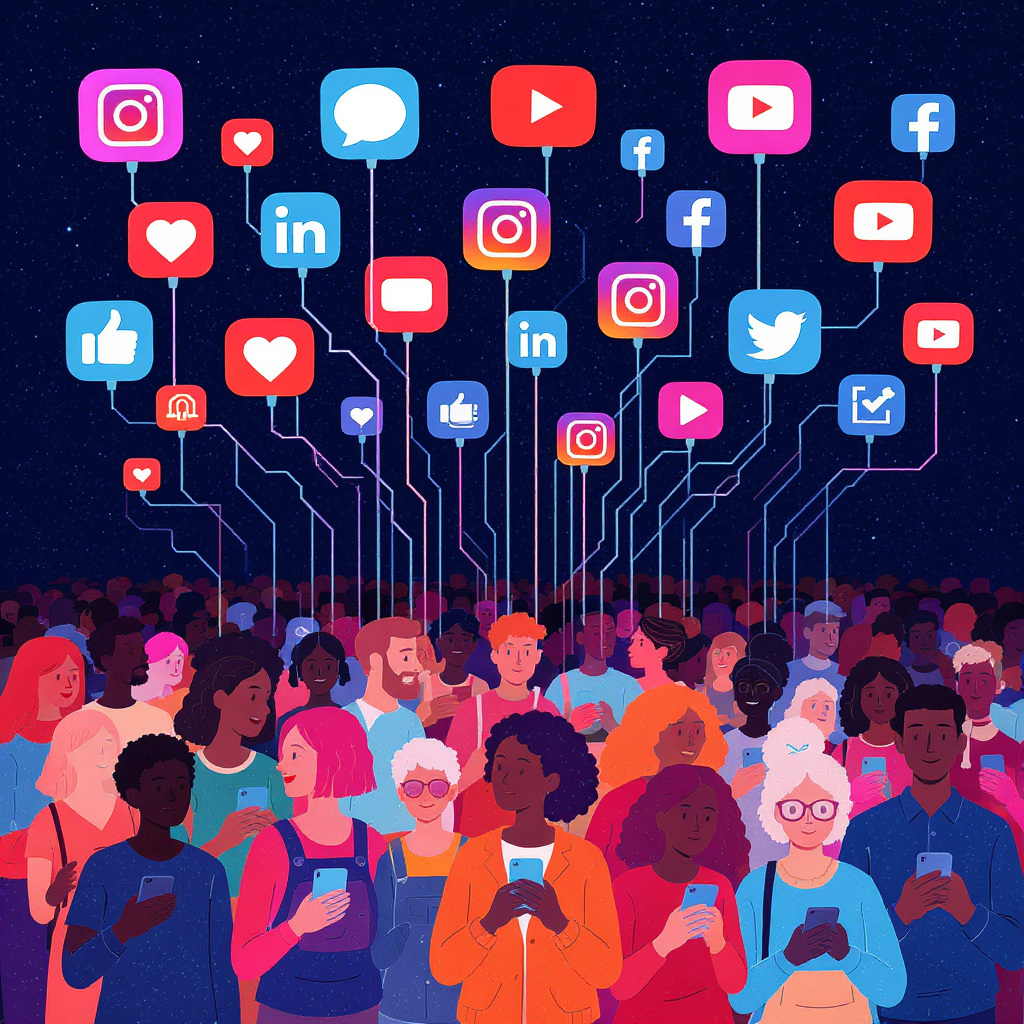
This approach is powerful because people already spend a significant amount of time on these platforms. By meeting them where they are, businesses can build authentic relationships and stay top-of-mind. It’s a direct line to your audience, allowing for instant feedback and genuine community building.
A New Kind of Marketing
Traditional marketing, like TV commercials or magazine ads, is a one-way street. A company broadcasts a message, and hopes it reaches the right people. Social media marketing is a two-way conversation. It's interactive, immediate, and much more targeted.
| Feature | Traditional Marketing | Social Media Marketing |
|---|---|---|
| Communication | One-way (broadcast) | Two-way (conversation) |
| Targeting | Broad (demographics) | Highly specific (interests, behaviors) |
| Measurement | Difficult to track ROI | Precise, real-time analytics |
| Cost | High initial investment | Cost-effective and scalable |
The key difference is engagement. With a newspaper ad, you can't know who saw it or what they thought. With a social media post, you see likes, comments, shares, and clicks in real time. This data allows you to understand your audience deeply and adjust your strategy on the fly.
Key Benefits
So why should businesses invest in social media marketing? The advantages are clear and impactful.
Increased Brand Awareness: Simply being present on social platforms makes your brand more visible and recognizable to potential customers.
Direct Customer Engagement: It opens a direct channel for communication. You can answer questions, respond to feedback, and build a loyal community around your brand.
Cost-Effectiveness: Compared to the high costs of traditional advertising, creating a social media profile is free. Paid advertising options are also highly scalable and can be tailored to almost any budget, offering a higher return on investment.
Improved Lead Generation: Social media provides many low-friction ways for potential customers to express interest in your business. Every post, like, or comment is a potential lead.
Choosing Your Platform
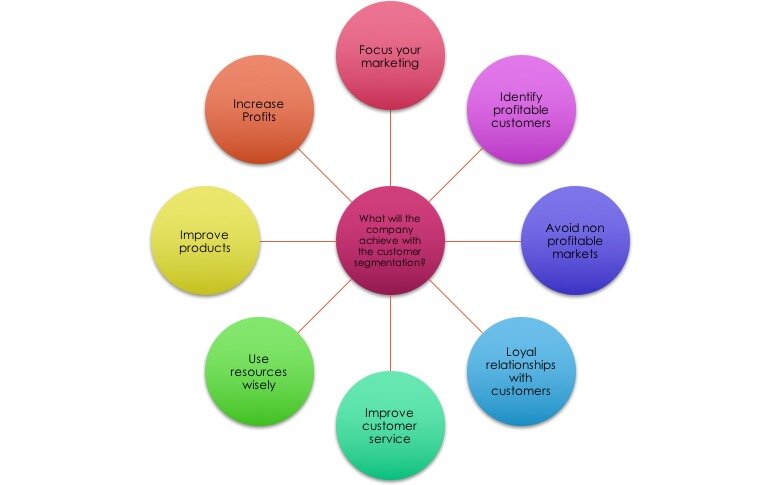
Not all social media platforms are created equal. Each has a unique user base and content style. Choosing the right ones depends entirely on your target audience and goals.
| Platform | Primary Audience | Best For |
|---|---|---|
| Broad (Gen X, Millennials) | Community building, ads, local business | |
| Younger (Millennials, Gen Z) | Visuals, lifestyle brands, influencers | |
| Twitter (X) | Broad (news, tech, politics) | Real-time updates, news, customer service |
| Professionals, B2B | Professional networking, industry content | |
| YouTube | Very broad | Tutorials, reviews, long-form video |
| TikTok | Youngest (Gen Z) | Short-form video, trends, entertainment |
It's better to excel on one or two relevant platforms than to have a weak presence on five. Research where your ideal customers spend their time online and focus your efforts there. If you sell handmade jewelry, a visual platform like Instagram is a natural fit. If you offer corporate consulting, LinkedIn is your best bet.
Ready to check your understanding?
What is the primary characteristic that distinguishes social media marketing from traditional marketing?
True or False: According to the text, the best strategy for a business is to create a profile on every available social media platform to maximize reach.
Now that you grasp the fundamentals, you're ready to think about how to build a strategy.