Social Media Content Strategy for App Promotion
Understanding Social Media Strategy
Your Social Media Blueprint
A good social media strategy is a plan. It’s the difference between shouting into the void and having a real conversation with people who are interested in your app. Instead of posting randomly and hoping for the best, a strategy helps you make smart decisions about where to spend your time and what to say.
Success requires more than just posting content - you need a clear strategy for what, where, and why you're sharing.
Think of it as a blueprint for building a community around your app. It all starts with knowing who you're talking to.
Know Your Audience
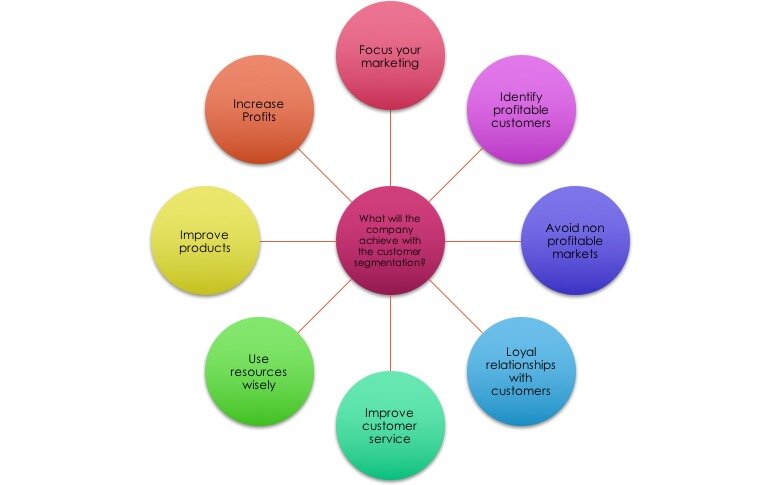
Before you write a single post, you need to know who you're writing it for. This group is your target audience. Trying to appeal to everyone is a common mistake that often results in appealing to no one. The goal is to connect with the specific people who will find your app genuinely useful and exciting.
To figure this out, imagine your ideal user. Get as specific as you can. Answering a few key questions can help you paint a clearer picture.
- Demographics: How old are they? Where do they live? What is their occupation?
- Interests: What are their hobbies? What other apps or brands do they like?
- Goals & Challenges: What problem does your app solve for them? What are they trying to achieve?
Let’s say you’ve built a meal-planning app for busy parents. Your target audience isn't just "people who eat." It's parents between 30 and 45, who are short on time, value healthy eating, and likely use platforms like Pinterest and Facebook for recipes and family tips. This level of detail helps you create content that speaks directly to their needs.
Choose Your Platforms
Once you know who your audience is, the next step is to figure out where they spend their time online. There’s no rule that says your app needs to be on every single social media platform. In fact, it's better to be highly engaged on two or three relevant platforms than to have a weak presence on six.
Each platform has its own culture and user base. The key is to match the platform to your audience.
| Platform | Best For... | Audience Vibe |
|---|---|---|
| Visual apps (design, fitness, food) | Young, creative, trend-focused | |
| Apps with a broad appeal, community building | Diverse age range, community-oriented | |
| TikTok | Apps targeting Gen Z, entertainment, tutorials | Young, fast-paced, highly creative |
| Professional or business-focused apps | Career-oriented, educational | |
| Apps related to lifestyle, hobbies, and planning | Planners, DIY enthusiasts, visual searchers |
Go where your users are. If your app is for career development, LinkedIn is a natural fit. If it's a new mobile game, TikTok and Instagram might be better bets for showing off gameplay.
Decide What to Post
Content is how you communicate with your audience. Different formats work better for different messages and platforms. You don't need to be a professional videographer or graphic designer to get started. The focus should be on providing value and being authentic.
Here are the basic formats you'll encounter:
Posts: These are the foundation of most platforms. They can be text, images, or a combination of both. Use them to share updates, ask questions, and share tips related to your app.
Videos: Video is incredibly engaging. You can create short-form videos (like TikToks or Reels) to show off a cool feature, or longer videos for tutorials and user stories.
Stories: This format is temporary, usually lasting only 24 hours. Stories are perfect for sharing behind-the-scenes content, running polls, and creating a more informal, direct connection with your audience.
The key is to mix up your content formats to keep your feed interesting. A good strategy balances different types of content to educate, entertain, and engage your community.