Social Media Campaign Optimization
Understanding Social Media Platforms
Choosing Your Playground
Not all social media platforms are created equal. Each one is a unique ecosystem with its own audience, culture, and language. Think of them like different cities. The vibe in a fast-paced financial hub is completely different from a laid-back beach town. To succeed, you need to be in the right city for your message and your audience.
Selecting the appropriate platforms depends on a business’s target audience, content strategy, and marketing goals.
Your first step is to understand who you're trying to reach. Where do they spend their time online? What kind of content do they enjoy? A strategy that works wonders on one platform might fall flat on another. Let's break down the major players to help you decide where to set up shop.
A Tour of the Top Platforms
Each social media channel has its own personality and purpose. Understanding these nuances is key to creating content that resonates.
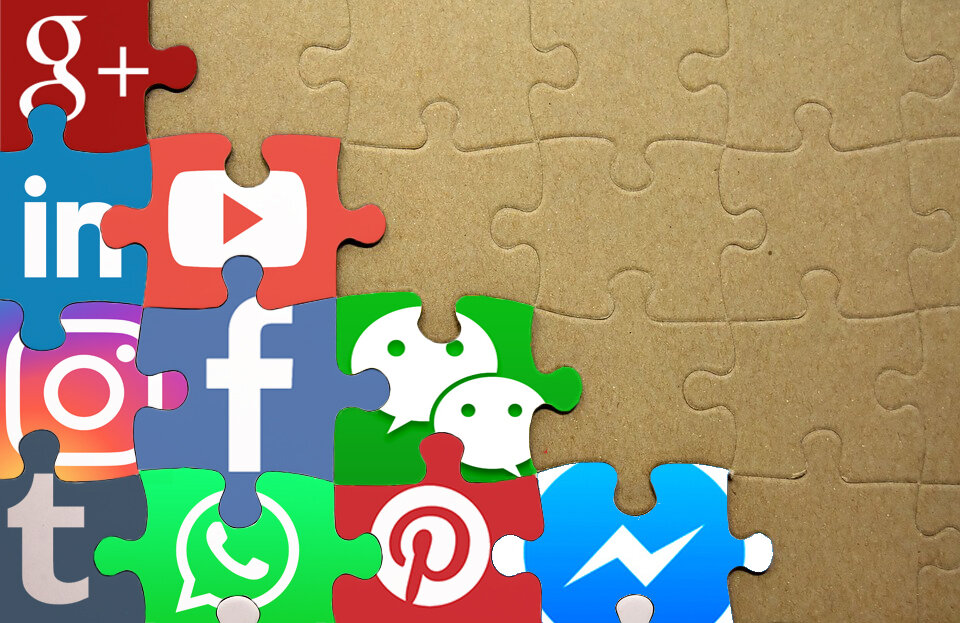
Facebook: The giant. With billions of users, Facebook's audience is vast and diverse, spanning a wide range of ages and interests. It's a versatile platform great for building communities, sharing updates, and running targeted ads. Content here can be anything from photos and videos to links and text posts.
Instagram: The visual showcase. Owned by Meta (like Facebook), Instagram is all about high-quality images and videos. It's perfect for brands with a strong visual identity, such as those in fashion, food, travel, and design. The audience skews younger than Facebook, with a strong presence of millennials and Gen Z.
X (formerly Twitter): The global town square. This is where news breaks and conversations happen in real-time. Posts are short and punchy, making it ideal for quick updates, customer service interactions, and joining trending discussions. Its user base is heavy on professionals, journalists, and public figures.
LinkedIn: The professional network. This is the go-to platform for business-to-business (B2B) marketing, professional networking, and industry-specific content. The tone is more formal. Users expect to see articles, career news, and content that helps them grow professionally.
TikTok: The entertainment hub. Dominated by short-form, creative videos, TikTok is the king of viral trends and user-generated content. Its audience is primarily Gen Z and young millennials. Brands succeed here by being authentic, entertaining, and hopping on trends, rather than with polished corporate messages.
Matching Platforms to Goals
So, how do you choose? It's not about being everywhere at once. It's about being in the right places. Your choice should be a strategic mix of your target audience, your brand's personality, and your business objectives.
A common mistake is trying to maintain a presence on too many platforms. It's better to do an excellent job on two or three relevant channels than a mediocre job on five or six.
To help you decide, consider these key questions:
- Who is your target audience? Which platforms do they use the most? A brand selling retirement planning services will likely find more success on Facebook and LinkedIn than on TikTok.
- What kind of content can you create? If you have a visually appealing product, Instagram and Pinterest are natural fits. If your strength is in thought leadership and long-form articles, LinkedIn is your best bet.
- What are your goals? Are you trying to drive sales, build brand awareness, or provide customer support? Some platforms are better suited for specific goals. For example, the visual nature of Instagram is great for showcasing products and driving e-commerce sales, while X is excellent for real-time customer engagement.
| Platform | Primary Audience | Best for Content Types | Key Goal Alignment |
|---|---|---|---|
| Broad (Gen X, Millennials) | Videos, Curated Content, Ads | Community Building, Brand Awareness | |
| Younger (Millennials, Gen Z) | High-quality Photos, Stories, Reels | Visual Storytelling, E-commerce | |
| X (Twitter) | Adults 30-49, Professionals | News, Quick Updates, Conversations | Public Relations, Customer Service |
| Professionals, B2B Decision Makers | Articles, Professional News, Case Studies | B2B Lead Generation, Recruiting | |
| TikTok | Youth (Gen Z, Young Millennials) | Short, Entertaining Videos, Trends | Brand Personality, Viral Marketing |
Remember to adapt your message for each platform. Simply cross-posting the exact same content everywhere is inefficient. A professional article for LinkedIn won't work as a short, snappy TikTok video. Tailoring your content shows you understand the platform's culture and respect its users.
Tailor social media strategies for each platform, focusing on engaging content that reflects your expertise and builds relationships with your audience.
Now that you understand the landscape, let's test your knowledge on choosing the right platforms.
A B2B company that sells enterprise software wants to share in-depth industry analysis and thought leadership articles. Which platform is most suitable for them?
Which platform is described as the 'global town square' where news breaks and real-time conversations happen?
By understanding the unique strengths of each platform and aligning them with your goals, you can build a social media presence that truly connects with the right people.