Soccer Performance Analysis
Introduction to Soccer Performance Analysis
Beyond the Scoreboard
Winning a soccer match isn't just about scoring more goals. It's about understanding the countless small moments that lead to those goals. Why did one team keep control of the ball? How did a defense shut down a star forward? Coaches and players have always asked these questions. The formal process of answering them is called performance analysis.
At its core, performance analysis is about looking at a game objectively to understand what works and what doesn't. It's the science of spotting patterns, identifying strengths to build on, and pinpointing weaknesses to fix. This process helps teams make smarter decisions, both in preparation for a match and in the heat of the moment.

In modern soccer, analysis is crucial. It informs everything from player recruitment to daily training drills. A team might analyze an upcoming opponent to find gaps in their formation or identify a player who struggles under pressure. They also analyze their own performance to refine their tactics and help individual players develop new skills. It’s a continuous cycle of planning, performing, and evaluating.
From Notebooks to Big Data
For decades, performance analysis was a manual affair. A coach might sit in the stands with a notebook, jotting down observations about formations and key plays. They relied on their experience, intuition, and memory to piece together a picture of the game. The main statistics were simple: goals, shots, and saves. This traditional approach was powerful in its own way, but it was limited by what one person could see and remember.
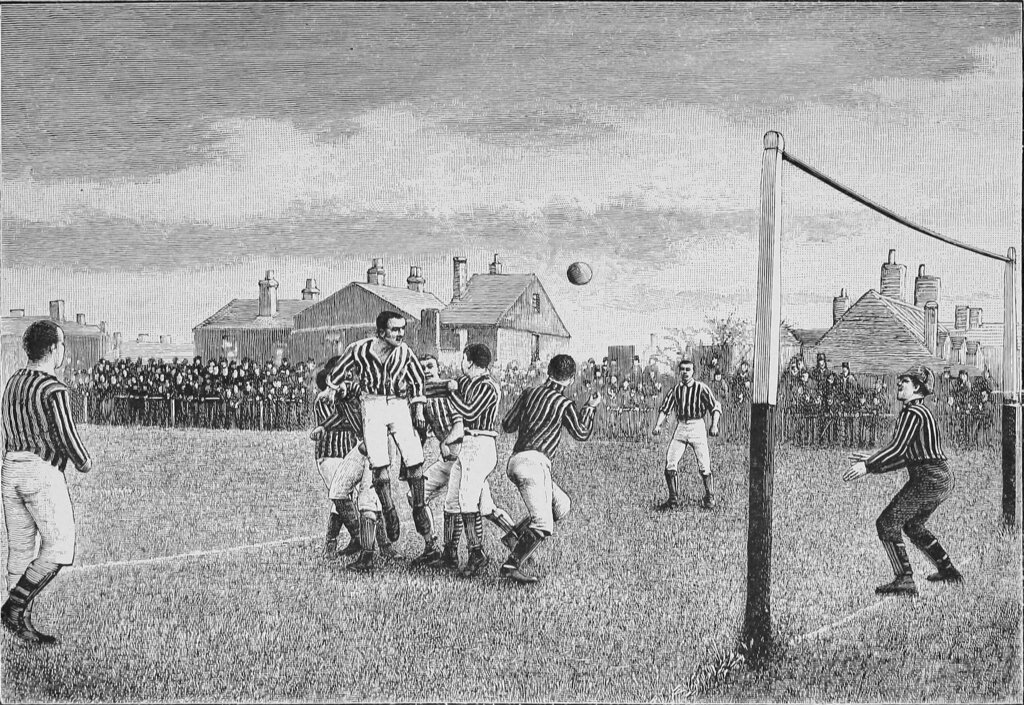
Today, the field has changed dramatically. Contemporary analysis still values the expert eye of a coach, but it backs up those observations with massive amounts of data. The focus has shifted from simple outcomes to the complex processes behind them. Analysts now look at everything from the number of passes a player makes in the opponent's half to how quickly a team regains possession after losing the ball.
This shift brings a new level of detail. Instead of just knowing a player is a good defender, teams can now understand why. Is it because of their expert positioning, their success rate in tackles, or their ability to anticipate and intercept passes?
The key change was moving from counting what happened to understanding how and why it happened.
The Tech Revolution
Technology is the engine driving this evolution. Video is one of the biggest factors. Every professional match is filmed from multiple angles, allowing analysts to review any moment of the game in slow motion. They can tag specific events, like a successful tackle or a missed pass, to create highlight reels that help players visualize their performance.
Wearable technology has also become a game-changer. Players often wear small GPS devices in their jerseys during training and matches. These trackers collect data on their physical output, measuring how far they run, their top speed, and how many sprints they make. This information is vital for managing player fitness and preventing injuries.
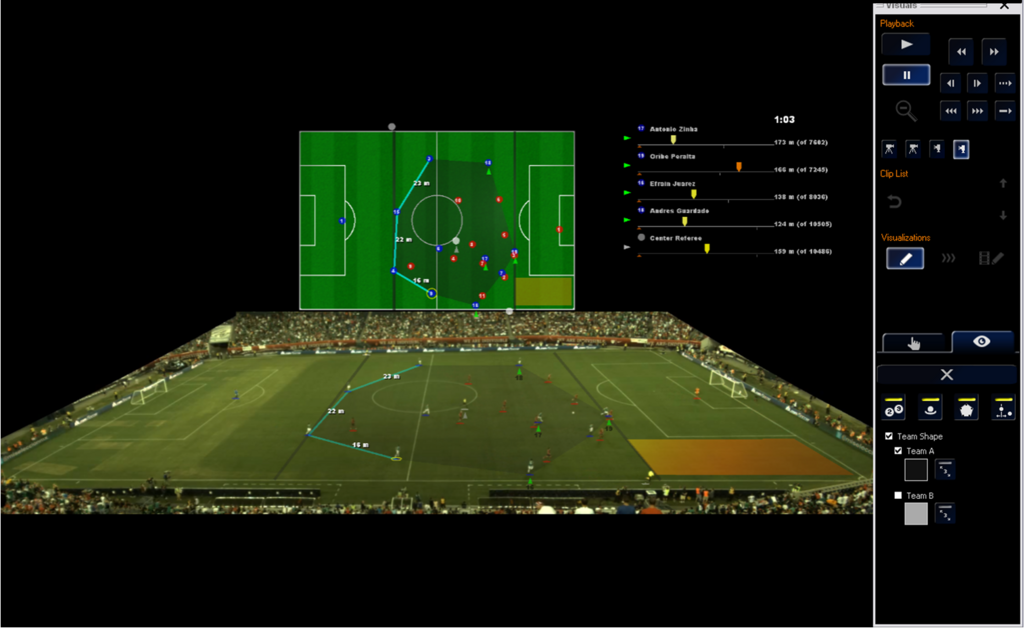
Combined, these technologies produce a flood of data. Specialized software helps teams make sense of it all, turning raw numbers into clear insights. This data-driven approach doesn't replace the coach's intuition; it enhances it. It provides concrete evidence to support what a coach sees on the field, leading to more informed and effective decisions.
Teams use analytics, sensor technology, and video analysis to make informed decisions, enhance player performance, and develop strategic advantages.
Let's check your understanding of these foundational concepts.
What is the primary goal of performance analysis in soccer?
How does contemporary performance analysis differ from traditional methods?
This introduction lays the groundwork for how teams approach improvement in the modern era of soccer. By understanding the role, history, and technological impact on performance analysis, you're ready to dive into the specific metrics that teams use.